I belong to a little book club here in France, and there are only five of us, but we all love historical fiction. A couple of years ago, when it was my turn to choose the book, I decided to pick one about the Wars of the Roses as we hadn’t had one set in that era before.
However, the big question was which one to choose, as there are quite a few options. So, it all comes down to what you want. Do you want pure fantasy very loosely based on fact, or do you want fact woven into a fantastic tale, a book you can’t put down?
Table of Contents
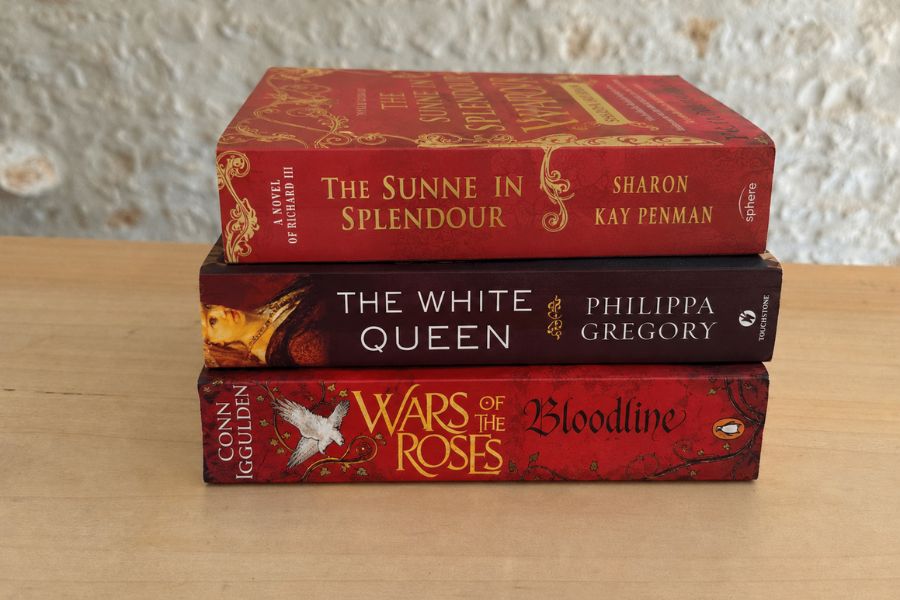
I went with the latter, because if you want the best historical fiction about the Wars of the Roses, it’s Sharon Kay Penman’s The Sunne in Splendour. But there are also some other great contenders worth adding to the list.
What Is the Best Wars of the Roses Novel to Start With?
The Sunne in Splendour by Sharon Kay Penman, published in 1982, is a superb book. It’s a sympathetic reworking of Richard III, the king most of us know only as Shakespeare’s hunchbacked villain, and it remains the book that serious readers of the period keep coming back to.
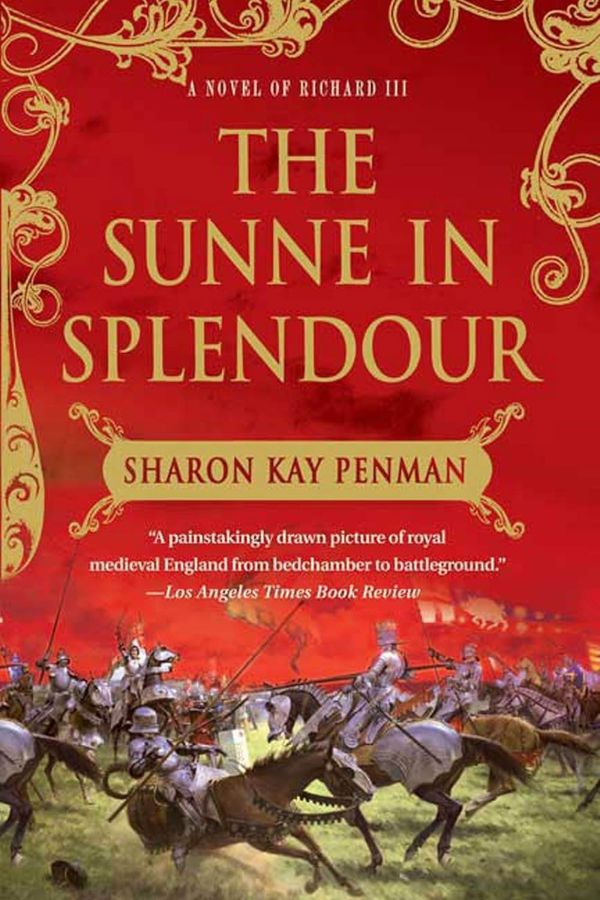
One warning before you order it. The book goes for over 900 pages. It’s a commitment, not a lunch-break read, and up in the dizzy page count heights of Ken Follett.
If that sounds like too much of a commitment, start with Philippa Gregory’s The White Queen instead. It’s told through the eyes of Elizabeth Woodville, the commoner widow who married King Edward IV, and if you want to know how much of her extraordinary story is real, I’ve written about the rise, fall, and fightback of Elizabeth Woodville here on the blog.
The difference? Penman gives you immersion and accuracy, while Gregory gives you pace and a heroine you can’t look away from.
The Sunne in Splendour and the Case for Richard III
Penman spent roughly 12 years writing The Sunne in Splendour, and she had to rewrite the entire 936-page book after her first manuscript was stolen from her car. Imagine losing a decade’s work. I’d have taken to my bed for a year. I guess there’s something to be said for Cloud storage.
The novel is a full-throated defense of Richard III. It pushes back hard on Shakespeare’s villain and argues Richard did not kill his nephews, laying the blame elsewhere. Whether that holds up is a question historians still scrap over, and I’ve dug into whether Richard III really killed the missing Princes in the Tower myself, so you can weigh the evidence once you’ve read the fiction.
The argument over his reputation is a fight that didn’t end at Bosworth, and I doubt it ever will.
Because the book follows Richard from boyhood in 1459 to Bosworth in 1485, it doubles as a tour of the entire conflict.
You get Warwick’s schemes, Edward IV’s secret marriage, and poor George, Duke of Clarence, who ended his days in a wine barrel. You couldn’t make it up.
Richard’s remains were unearthed beneath a Leicester parking lot in 2012. The bones were confirmed by mitochondrial DNA testing on 4 February 2013, and the skeleton showed scoliosis with a rightward curve of approximately 30-40 degrees. Not a hunchback, then. Shakespeare exaggerated, which will surprise nobody.
Hooked on the Middle Ages? Get more stories like this one in your inbox.
Philippa Gregory’s Cousins’ War Series: Which Order Do You Read Them In?
In chronological order, read The Lady of the Rivers, The White Queen, The Red Queen, The Kingmaker’s Daughter, then The White Princess. That’s the sequence of events, and it’s the order I’d suggest.
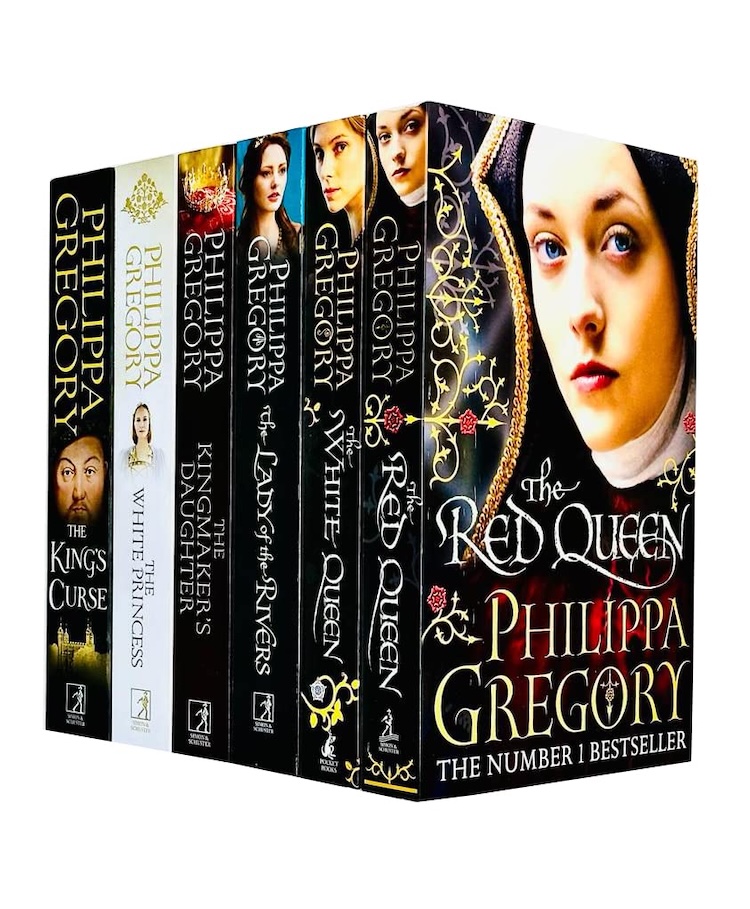
Publication order is different, mind. The series began in 2009 with The White Queen, so if you’d rather watch Gregory’s style develop, read them as they came out.
What I like about the Cousins’ War series is that it hands the story to the women. The Lady of the Rivers belongs to Jacquetta of Luxembourg, the woman behind the whole Woodville rise, and The White Queen picks up with her daughter, whose real path from roadside widow to queen I’ve traced in how Elizabeth Woodville became Queen of England.
The Red Queen gives you the real Margaret Beaufort, who is far more interesting than the villain the TV version made of her. The Kingmaker’s Daughter follows Anne Neville, the forgotten queen, daughter of Warwick the Kingmaker himself.
And The White Princess closes with Elizabeth of York, the woman who stitched the two warring houses back together.
These are hugely enjoyable books that take real liberties with the history. Gregory writes fiction first and history second, and she’s never pretended otherwise. Read them for the ride, then check the record afterward.
Conn Iggulden’s Wars of the Roses Series for Battle and Pace
If it’s the fighting you’re after, start with Stormbird, then Margaret of Anjou, the opening pair of Conn Iggulden’s series, which Shortform’s round-up of the best Wars of the Roses books pitches squarely at fans of Game of Thrones and The Tudors.
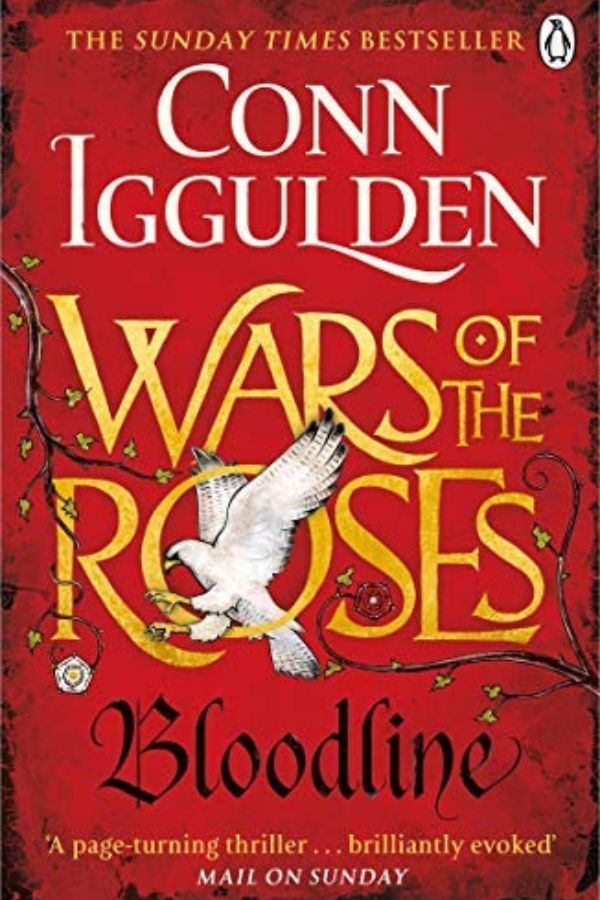
Stormbird opens with England’s grip on France collapsing at the end of the Hundred Years’ War. From there, the series marches through the fighting that Penman and Gregory often keep offstage. Iggulden puts you in the snow at Towton, and having written about the most brutal battles of the Wars of the Roses, I can tell you he doesn’t exaggerate the horror much. He doesn’t need to.
His second book centers on Margaret of Anjou, the French teenager who became the fiercest commander the Lancastrian side ever had, and she deserves every page.
Lesser-Known Novels Worth Your Time
Annie Garthwaite’s Cecily, published in 2021, finally gives Cecily Neville, the woman behind the Wars of the Roses, a book of her own. She was mother to two kings and outlived nearly everyone, and Garthwaite writes her as cold, clever, and utterly compelling.
For Jane Shore, the merchant’s daughter who became Edward IV’s favorite mistress, try Vanora Bennett’s Figures in Silk. It’s as much about the London silk trade as the court, which I loved, though if you want wall-to-wall royals, it will feel like a detour.
Susan Higginbotham’s The Queen of Last Hopes does for Margaret of Anjou what Penman did for Richard: takes a maligned figure and lets her make her case.
And then there’s the oddball I recommend to everyone: Josephine Tey’s The Daughter of Time, from 1951. It’s a detective novel in which a bedridden modern policeman investigates whether Richard III really murdered his nephews in the Tower of London, sifting the evidence like a cold case.
It’s barely 200 pages, and it has converted more people to Team Richard than any history book. Trust me on this one.
Frequently Asked Questions
What Is the Best Historical Fiction Book About the Wars of the Roses?
For my money, it’s The Sunne in Splendour by Sharon Kay Penman, published in 1982. It’s a sympathetic, deeply researched portrait of Richard III that runs the whole conflict from 1459 to Bosworth in 1485. It’s long, over 900 pages, but it’s the one serious readers of the period keep coming back to.
In What Order Should I Read Philippa Gregory’s Cousins’ War Series?
By chronology, read The Lady of the Rivers, then The White Queen, The Red Queen, The Kingmaker’s Daughter, and The White Princess. That follows the events in sequence. Publication order is different, starting with The White Queen in 2009, so if you like watching an author’s style develop, read them as they came out instead.
Is the TV Show The White Queen Based on a Book?
Yes. The 2013 BBC and Starz series adapts three of Philippa Gregory’s Cousins’ War novels: The White Queen, The Red Queen, and The Kingmaker’s Daughter. It premiered on BBC One on 16 June 2013. Historians pointed out that the chronology was shuffled, and Gregory herself said the networks wanted her interpretation rather than a strict documentary.
Did Richard III Really Kill the Princes in the Tower?
Nobody knows for certain, and that gap is exactly why the period makes such good fiction. Some say Richard was innocent and blame the Duke of Buckingham. Others pin it on him. The honest answer is that the evidence is thin and contested.
Which Wars of the Roses Novels Are Best for Battles and Action?
Conn Iggulden’s series is your pick, starting with Stormbird and then Margaret of Anjou. His books move fast and put the military and political maneuvering front and center. If you loved the warring-houses tension of Game of Thrones, that’s the reading experience Iggulden is chasing.
How Historically Accurate Is Wars of the Roses Fiction?
It ranges enormously. Penman’s work is prized for meticulous research, while other novels reshape timelines and characters for drama. Even the careful authors invent dialogue and motive where the records go quiet. A quick tell is whether the book includes an author’s note explaining where it leaves the documented history behind.

Love a good medieval story?
Join our readers and get tales of kings, queens, castles and ordinary medieval lives straight to your inbox.
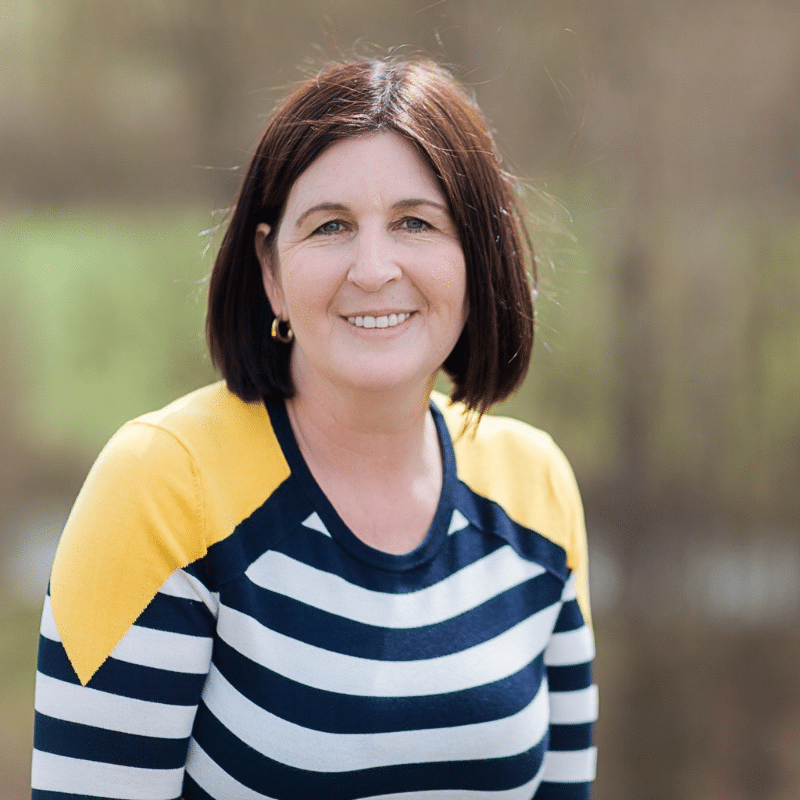
Kylie Lang is a nationally syndicated travel journalist with bylines on the Associated Press Wire & more, a medieval history writer, and the founder and lead author of Tales of the Middle Ages (talesofthemiddleages.com). She holds a BA (Honours) in History from the University of Kent and is a member of the British Guild of Travel Writers.