Historical novels are my absolute favorite kind of book, and have been for as long as I can remember. There’s nothing quite like being pulled back into a bygone era and feeling, by the last page, that you’ve had a cracking good read and learned something in the bargain.
The best writers manage both at once. They blend fact and fiction so cleverly that you close the cover knowing more than when you opened it.
Table of Contents
So when people ask me, Alison Weir vs Philippa Gregory, which one is more accurate, it’s an interesting question because they’re both great authors, and both conduct extensive research, but who is more historically accurate?
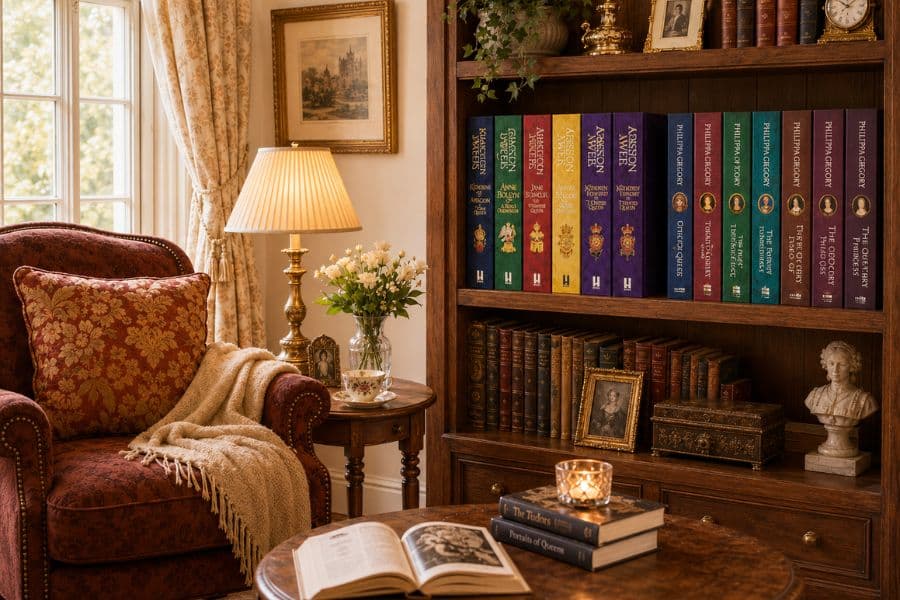
Where I Stand on Historical Fiction
I believe a novelist needs a license to tell a story. We can never know exactly what someone said across a dinner table in the 12th century, and nobody was hiding under the bed scribbling down the pillow talk. So a writer has to imagine the dialogue, the glances, the private fears. That’s the job, and the magic of it.
But, and this is the big but, I think you keep the facts you do have. You bring them to life rather than rewrite them. A love story can be heightened, a character’s inner world can be invented. The birth order of three real siblings, though? That I’d leave alone.
This is exactly where my two authors part ways. One stays inside that license, while the other, to my mind, climbs out of it when a better story is on offer.
Who Are Alison Weir and Philippa Gregory?
Both women are giants of the genre, and both come at it from a different starting point. That starting point explains a lot.
Alison Weir is widely considered the more historically accurate of the two. She’s a working historian who builds her novels on the surviving record and flags her inventions in author’s notes.
Philippa Gregory tells a bolder, more dramatic story, and she sometimes invents motives, scenes, and even events that the evidence doesn’t support.
Alison Weir, the Historian Who Turned to Fiction
Alison Weir made her name in non-fiction first. She’s the top-selling female historian in the United Kingdom, with well over two million books sold, and she spent years writing biographies of the six wives of Henry VIII, Elizabeth I, and the medieval queens before she ever wrote a novel.
Interestingly, she didn’t train at a big university. She came to history through teacher training college and once taught children with special needs. Her authority is built on decades of digging through the sources.
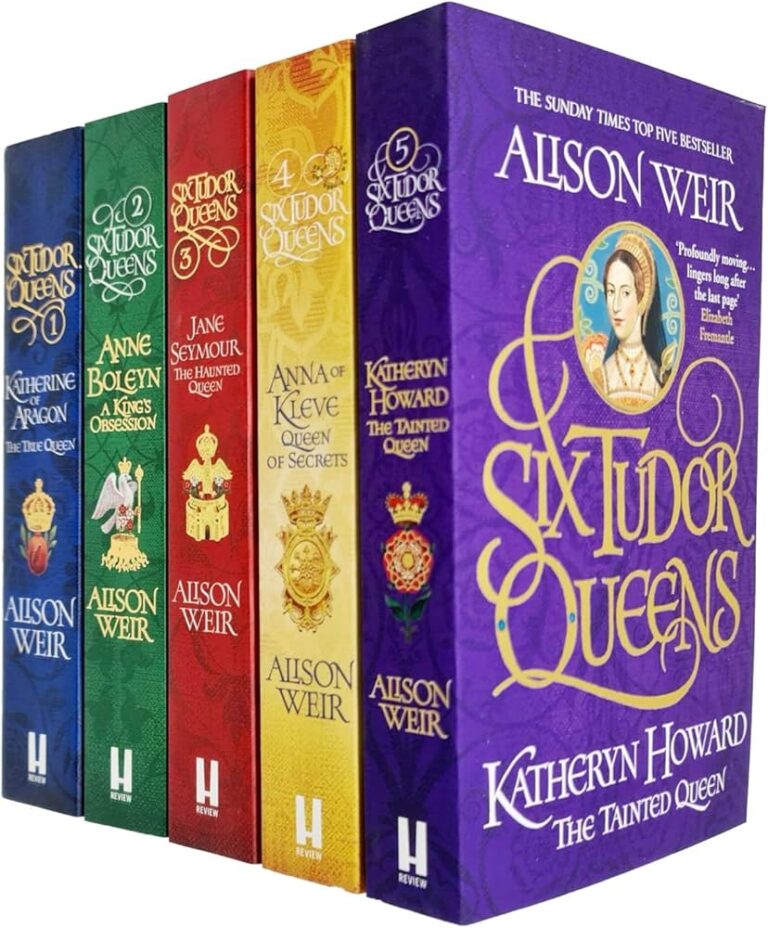
When she turned to fiction with books like Innocent Traitor and the Six Tudor Queens series, she carried that habit with her. The history comes first with her, and the story is fitted around it.
Philippa Gregory, the Novelist with a Historian’s Training
Philippa Gregory is the queen of British historical fiction. The Other Boleyn Girl arguably turned a whole generation onto the Tudors, which is fantastic. She holds a history degree from Sussex and a PhD from Edinburgh, she’s a Fellow of the Royal Historical Society, and she was awarded a CBE in 2021. The woman has done her homework.
The difference is what she does with it. Gregory has described her own books as a “gateway drug” to history, and I think that’s a lovely and honest way to put it. She wants to hook you. She’ll take a gap in the record and fill it with the most dramatic thing that could plausibly have happened, and sometimes with something that probably didn’t.

Hooked on the Middle Ages? Get more stories like this one in your inbox.
Alison Weir vs Philippa Gregory: The Key Difference
The real difference between them isn’t research, because both do their research. It’s more what they do when the record runs out.
Weir treats the gaps as something to step into carefully. She’s said herself that a novelist can get inside a character’s head in a way a historian never could, which is a real gift, but that the invented version must stay compatible with what we actually know.
Gregory treats the gaps as an open invitation. If the evidence is silent, she’ll give you the boldest version going, and trust the author’s note to sort out fact from flourish afterward.
Where Philippa Gregory Bends the Facts
I love a good yarn, but a few of Gregory’s choices cross from imagination into invention.
The Boleyn Sisters’ Birth Order
In The Other Boleyn Girl, Anne is the older, scheming sister, and Mary is the sweet younger one. Most historians now believe it was the other way round, and that Mary was actually the elder of the two.
Weir even wrote a whole biography making that case. It’s a small thing on the page, but it flips the entire dynamic of the novel, and it’s presented as fact.
The Incest Plotline
Gregory’s novel strongly implies that Anne slept with her brother George to conceive a son. Now, Anne and George were both charged with incest at their 1536 trial. But the overwhelming view among historians is that those charges were fabricated by Thomas Cromwell to bring Anne down, and there’s no evidence either of them ever contemplated such a thing.
Eric Ives, the great Anne Boleyn biographer, treats the accusation as part of a stitched-up case, not a real event. Gregory is fairly alone in entertaining it as something that might have happened, and a whole generation of readers came away thinking it was settled history. It wasn’t.
Witchcraft in The White Queen
Then there’s The White Queen, where Elizabeth Woodville and her mother, Jacquetta of Luxembourg, use actual spells and witchcraft to bend events to their will, and Elizabeth later curses whoever murdered her sons.
There’s no evidence any of that happened, of course. It’s woven into the story as though the magic is real. The fate of those missing boys in the Tower is one of history’s greatest cold cases, and turning it into a curse is a bold move for a book that markets itself on authenticity.
To be fair to Gregory, she does include an author’s note in every book and a further-reading list, and she has never pretended she’s writing a textbook. The trouble, as the Tudor historian David Loades once put it, is that it would have been safer if she’d simply called it fiction, because that’s what she was doing.
She markets a commitment to accuracy that historians don’t always recognize. That’s my whole quibble in a nutshell.
How Alison Weir Handles the Gaps
Weir invents, too, and I want to be clear about that, because it would be unfair to paint her as some dry recorder of dates. She isn’t. Her novels have feeling, pace, and a beating heart.
The difference is that she shows her working.
In her novel about Anne of Cleves, for example, she gave Henry VIII’s fourth wife a storyline about a child born before her marriage. It’s invented. But she explains in her author’s note that she built it from Henry’s own recorded comments about Anne’s body, and she tells you plainly that she made it up. You’re never misled.
So, Which Should You Read?
Both. Truly. They do different jobs, and a good bookshelf has room for each.
Read Philippa Gregory when you want to be swept off your feet. She’s a wonderful storyteller, her court politics crackle, and if she’s the reason you fell down a Tudor rabbit hole in the first place, then she did exactly what she set out to do.
Plenty of us came to this period through her and the TV adaptations of her books. Just don’t quote her in a history exam.
Read Alison Weir when you want to close the book and feel you can trust most of what you’ve read. She’s my favorite of the two, and now you know why.
The funny thing is, the real history rarely needs the embroidery. Anne Boleyn’s actual rise and fall, the vanished princes, Elizabeth of York holding a fractured dynasty together, all of it is stranger and sadder and more gripping than anything a novelist could dream up. The best writers know that. They light the facts up rather than paint over them.
And that, for me, is the whole art of it.
FAQs About Alison Weir vs Philippa Gregory
Is Philippa Gregory historically accurate?
Philippa Gregory researches her novels thoroughly and includes an author’s note in each book, but historians widely dispute her claims to accuracy. She invents motives, dialogue, and sometimes events with no documentary basis, such as the incest plotline in The Other Boleyn Girl and the witchcraft in The White Queen.
Her books are best enjoyed as dramatic, well-researched fiction rather than reliable history.
Is Alison Weir’s historical fiction accurate?
Alison Weir’s fiction is about as accurate as the surviving record allows. She’s a respected historian who builds her novels on documented facts and uses detailed author’s notes to separate what’s known from what she’s imagined.
She rarely invents major events. Instead, she explores the emotions and motives the records can’t capture, while keeping her storytelling compatible with the evidence.
Was Mary Boleyn older or younger than Anne Boleyn?
Most historians now believe Mary Boleyn was the elder sister, born around two years before Anne. The evidence comes largely from later Tudor inheritance claims made on behalf of Mary’s children. Philippa Gregory reverses this in The Other Boleyn Girl, making Anne the older sister, which changes the whole dynamic between them and is presented as fact.
Did Anne Boleyn really commit incest with her brother?
There’s no evidence that Anne Boleyn committed incest with her brother George. Both were charged with it at their 1536 trial, but most historians believe the accusation was fabricated by Thomas Cromwell to justify Anne’s execution. George was a committed religious reformer, and the charge fits a political show trial far better than reality. Philippa Gregory’s novel is fairly alone in treating it as something that may have happened.
Is The Other Boleyn Girl based on a true story?
The Other Boleyn Girl is loosely based on the real lives of Mary and Anne Boleyn at the court of Henry VIII, but it takes heavy creative liberties. It reverses the sisters’ ages, invents a bitter rivalry we have little evidence for, compresses around fifteen years of events, and dramatizes the incest charge as near fact. The broad strokes are real. Most of the personal drama is not.
Should I read Alison Weir or Philippa Gregory first?
If you want a gripping, soapy introduction to the Tudors, start with Philippa Gregory and The Other Boleyn Girl. If you want fiction you can mostly trust as history, start with Alison Weir’s Innocent Traitor or her Six Tudor Queens series. Many readers enjoy both. Gregory hooks you on the period, and Weir keeps you honest about what actually happened.
Love a good medieval story?
Join our readers and get tales of kings, queens, castles and ordinary medieval lives straight to your inbox.
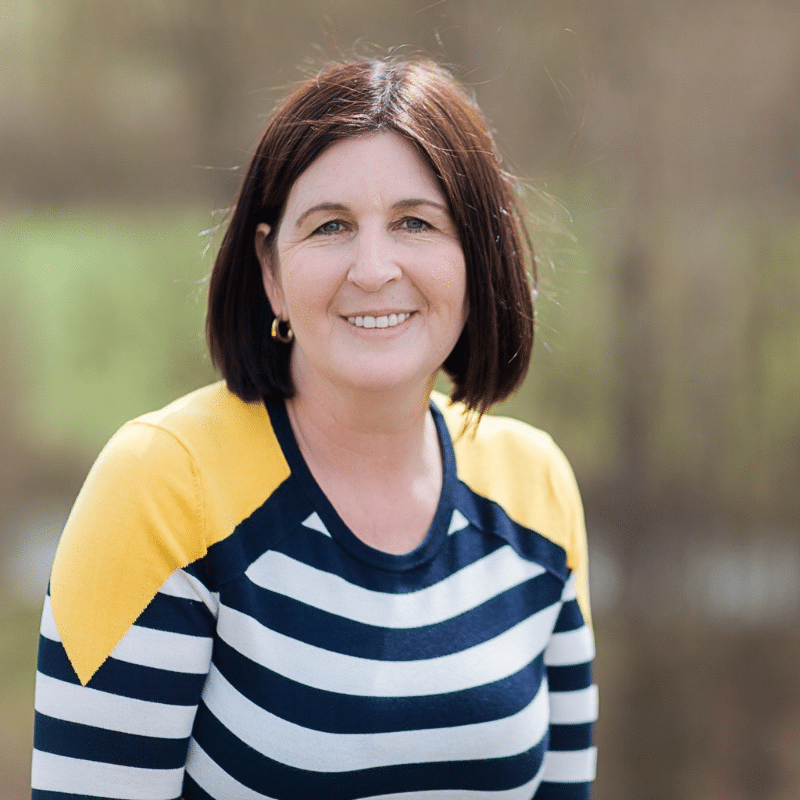
Kylie Lang is a nationally syndicated travel journalist with bylines on the Associated Press Wire & more, a medieval history writer, and the founder and lead author of Tales of the Middle Ages (talesofthemiddleages.com). She holds a BA (Honours) in History from the University of Kent and is a member of the British Guild of Travel Writers.
Related posts:
 The Rise and Fall of Anne Boleyn: Power, Passion, and Politics
 10 Historical Novels Set in the Middle Ages That Are Impossible to Put Down
 What History Got Wrong About Mary Boleyn: The Forgotten Sister of Anne, Mistress, Mother, Survivor
 How Philippa of Hainault Survived the She-Wolf and Shaped a Dynasty