History often gets it wrong, and what’s told about Kings and Queens gets distorted over the years, and British history is no exception, especially in the case of Mary Boleyn.
History remembers Anne Boleyn as the doomed queen who changed the course of England. But her sister Mary, often cast into the shadows or sensationalised in fiction, lived a life just as tangled in court politics, private scandal, and survival. She wasn’t just the “other Boleyn girl,” she was the first.
Table of Contents
Before Anne caught the king’s eye, Mary Boleyn had already been his mistress. Her story, stitched together from gaps in the record and snippets of court gossip, has long been distorted by novels and films. The truth is harder to pin down, but it’s there if you look closely. She may have given birth to two of Henry VIII’s children. She may have chosen love over status in a world that punished women for doing just that.
Mary didn’t end up in the Tower. She wasn’t executed. She stepped away from the fire, quietly, deliberately, and lived on. This is her story, told not with assumptions or fantasy, but with what we do know about a woman who outlived her famous sister, whose bloodline still runs through the veins of the British royal family.
Early Life and Family
Mary Boleyn was born around 1499 or 1500, most likely at Blickling Hall in Norfolk or Hever Castle in Kent, both properties tied to the rising fortunes of the Boleyn family. Her father, Thomas Boleyn, was a skilled courtier and diplomat. Her mother, Elizabeth Howard, came from one of England’s most powerful noble houses, making Mary the niece of Thomas Howard, Duke of Norfolk, a man who would loom large in the politics of Henry VIII’s court.
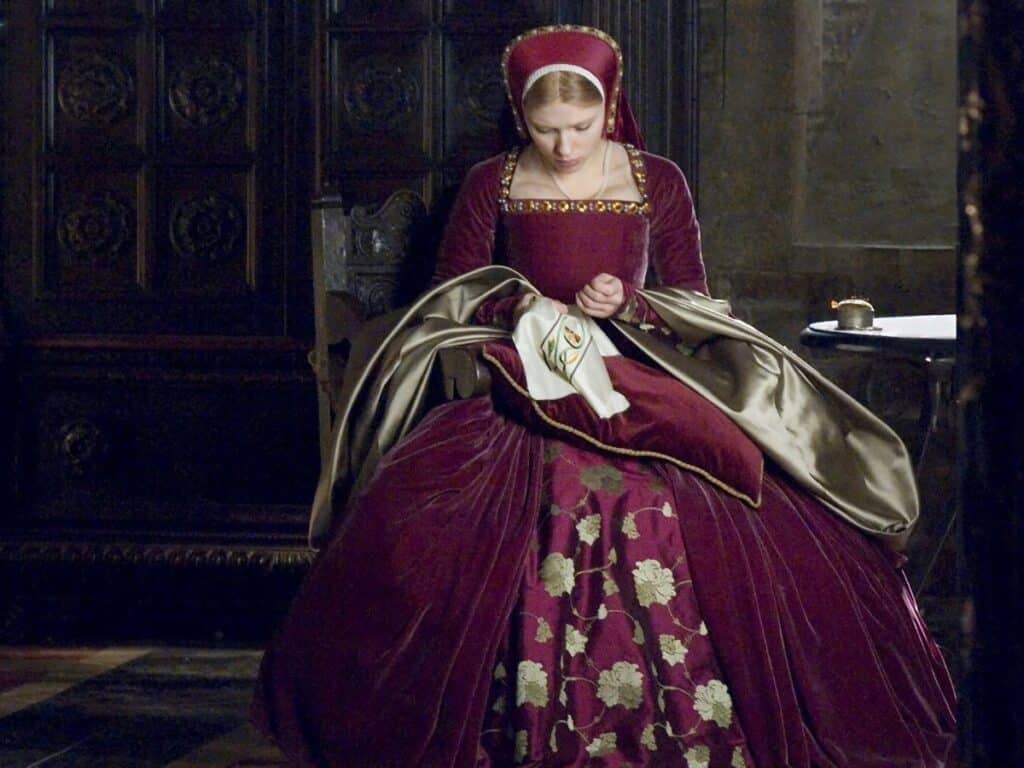
She was the eldest of three surviving Boleyn children, with Anne and George following close behind. The siblings were raised with the advantages of noble birth and ambition, groomed for roles at court and in service to the crown. The Boleyn household valued education. Mary would have been taught to read, write, and keep a household. She also learned music, dancing, needlework, and enough French to serve in royal circles.
While Anne was later sent abroad to the Netherlands and France for her education, Mary remained in England throughout her early years. Her path would cross with Anne’s again at court, but they lived very different lives for a time, shaped by separate expectations and roles within the family’s careful climb through Tudor society.
Mary at the French Court
In the autumn of 1514, Mary Boleyn left England behind. She was around fifteen and had been chosen to join Princess Mary Tudor’s entourage as she travelled to France to marry King Louis XII. It was a prestigious appointment. Mary was well-born and well-mannered, and her father had plans. This was meant to be a carefully placed step into royal service.
But it didn’t quite go that way.
When King Louis died just three months into the marriage, Princess Mary returned to England. Mary Boleyn stayed behind, likely moving into the household of Queen Claude, wife of Francis I. What happened during her time at the French court is still debated. Years later, Francis referred to Mary crudely, reportedly calling her “a great whore, the most infamous of them all.” It’s widely believed he had an affair with Mary, but we’ve found no evidence to support this.
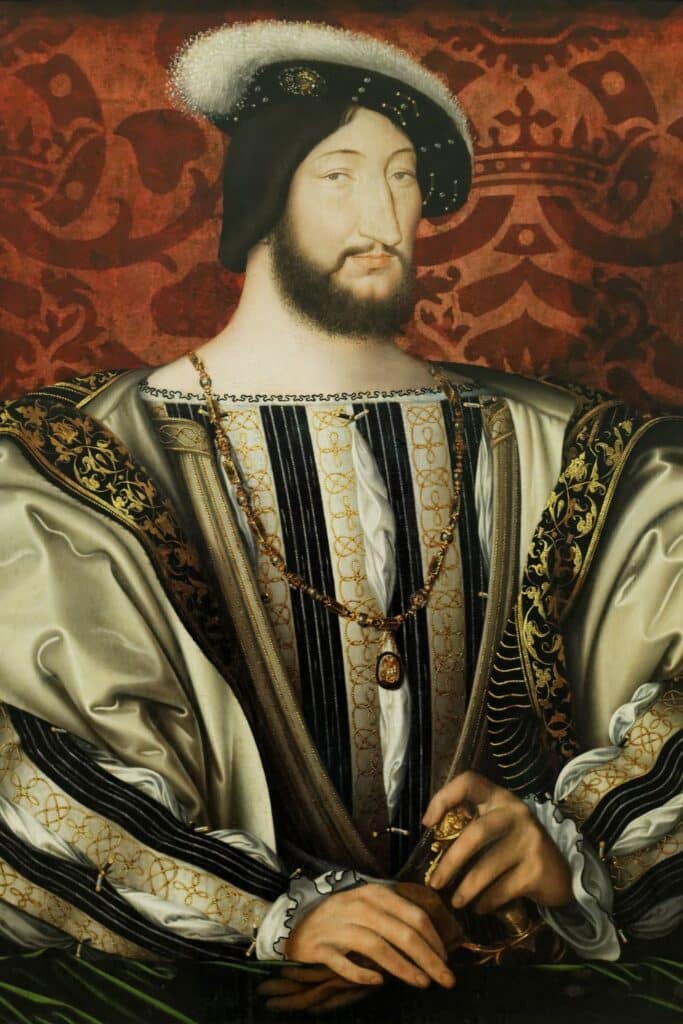
Was he telling the truth? Or using her name to impress his court with stories of conquests?
There’s no solid evidence of affairs in France, only rumor, the kind that stuck fast in Tudor England. And it followed her home. By the time she returned, Mary carried a reputation she would never quite shake. In a world where a woman’s worth was tied to virtue and family standing, that label, true or not, had lasting consequences.
Hooked on the Middle Ages? Get more stories like this one in your inbox.
Return to England and Marriage to William Carey
Mary returned to England around 1519 or 1520. Despite her questionable reputation, her family managed to secure her a respectable match. In 1520, she married William Carey, a rising courtier and member of the King’s household. The wedding took place at Greenwich Palace, with Henry VIII in attendance.

Mary and William were well-placed at court. William had the King’s favor, and Mary had already caught the King’s attention. It was during these early years of marriage that her affair with Henry VIII is believed to have taken place. The details remain unclear, but most historians agree the relationship likely happened between 1522 and 1525.
A Performance That Caught the King’s Eye
It’s likely that Henry VIII first noticed Mary Boleyn at one of Cardinal Wolsey’s grand banquets. On Shrove Tuesday in 1522, Mary took part in a courtly pageant held at York Place, Wolsey’s London residence, to entertain visiting imperial ambassadors. She would have been about 14 or 15 at the time.
The centerpiece of the evening was a theatrical spectacle called Château Vert, a wooden castle built inside the hall with towers, banners, and a storyline involving a siege. Eight young women were cast in symbolic roles and dressed in white satin with glittering headdresses. Each was given a name tied to virtue. Anne played Perseverance, and Mary played Kindness.
Henry watched from the sidelines as the women defended their ‘château’ in this elaborate bit of court entertainment. It was lavish, strange, and meant to impress. This performance may have been the first time the King noticed Mary. Whether it was admiration, attraction, or curiosity, we’ll never know for sure. But it marked the beginning of something—quietly, behind the scenes—that would soon pull Mary into the King’s orbit.
During her marriage to Carey, Mary gave birth to two children. Her daughter, Catherine, was born around 1524, and her son, Henry, followed in 1526. Their paternity has been the subject of speculation for centuries.
Some believe the king fathered them, though he never acknowledged them. Unlike his known illegitimate son, Henry FitzRoy, the Carey children were never given royal titles or formal recognition. Still, they would go on to hold significant roles in Elizabeth I’s court, which kept the question alive.

The Sisters at Court
As Anne’s star began to rise, Mary’s faded. The sisters were both part of court life, but by the mid-1520s their roles had shifted. Anne had caught the King’s attention and was being carefully managed by the family. On the other hand, Mary was already seen as a woman whose reputation had been compromised. She had done what was expected of her, marrying well and producing children, but that wasn’t enough in a family now focused on climbing higher.
The relationship between the two sisters became strained. Little written evidence of direct conflict exists, but what survives tells us they were not close in these years. When Mary’s husband William Carey died in 1528 during a deadly outbreak of sweating sickness, she was left in financial difficulty.
However, Anne, already rising in influence with the King, secured Mary a small pension and arranged for the Carey children to be looked after by others. Mary was kept at a distance from the center of power, even as her sister moved ever closer to the throne.
A Scandal of Her Own
In 1534, Mary made a decision that shocked everyone. She married William Stafford, a soldier without fortune or status, without her family’s permission. It was a love match, but one that came at a price. Her secret marriage was discovered, and she was banished from court. Even Anne, now Queen of England, refused to support her.
Mary wrote a rare and heartfelt letter defending her choice. She said she would rather beg for her bread with Stafford than live in wealth and splendor without love. It was a bold statement, and one of the only times we hear her voice directly.
From that point on, Mary disappeared from public life. She lived quietly with her husband, likely moving between modest country homes far from court. While her family became consumed by the high stakes of politics, Mary stepped away. She had seen what ambition could cost.
After the Fall: Anne and George’s Execution
In May 1536, everything fell apart. Anne Boleyn and George Boleyn, once at the height of Tudor power, were arrested and charged with treason, adultery, and incest. The charges were flimsy, politically driven, and almost certainly false. But that didn’t save them. Anne was executed on 19 May. George had gone to the scaffold two days earlier.
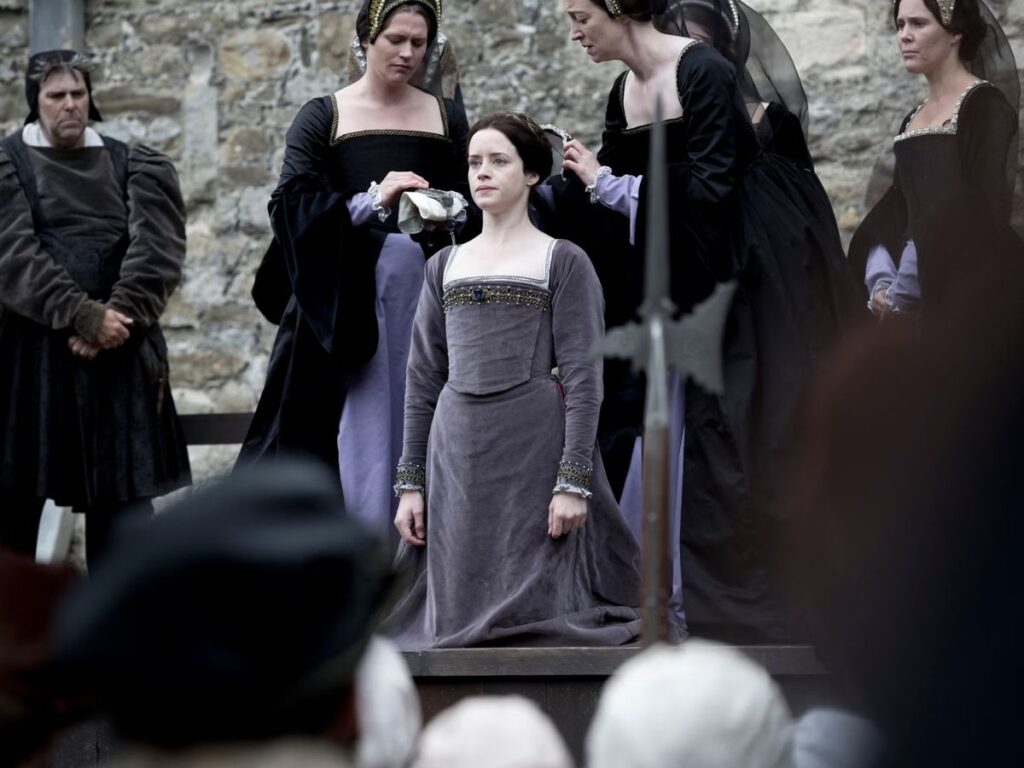
Mary was nowhere near court when it happened. She had long been banished from the spotlight, living quietly with her second husband, William Stafford. No surviving records place her at the Tower or show any attempt to intervene. The emotional scene in The Other Boleyn Girl, in which Mary rushes to plead with Henry VIII for Anne’s life, is fiction, a powerful moment on screen, but not supported by any historical evidence.
What we do know is that Mary did not return to court after her siblings’ deaths. She stayed away. Whether out of fear, grief, or self-preservation, Mary kept to the sidelines and survived. She had already made her choice, to live simply, away from ambition and royal favour—and she stuck to it.
Death and Burial
Mary Boleyn died in July 1543, likely in her early forties. The exact location of her death is still debated. Some sources suggest Rochford Hall in Essex, others point to Hever Castle, the Boleyn family home.
Her burial site is also unconfirmed. One theory places her in the churchyard of St. Mary’s Church in Great Hallingbury, a quiet village in Essex not far from where she may have spent her final years. But there is no marker, no tomb, no monument.
Mary’s Legacy and Descendants
Mary Boleyn’s story didn’t end with her. Her two children, Catherine and Henry Carey, went on to play significant roles in Elizabethan England.
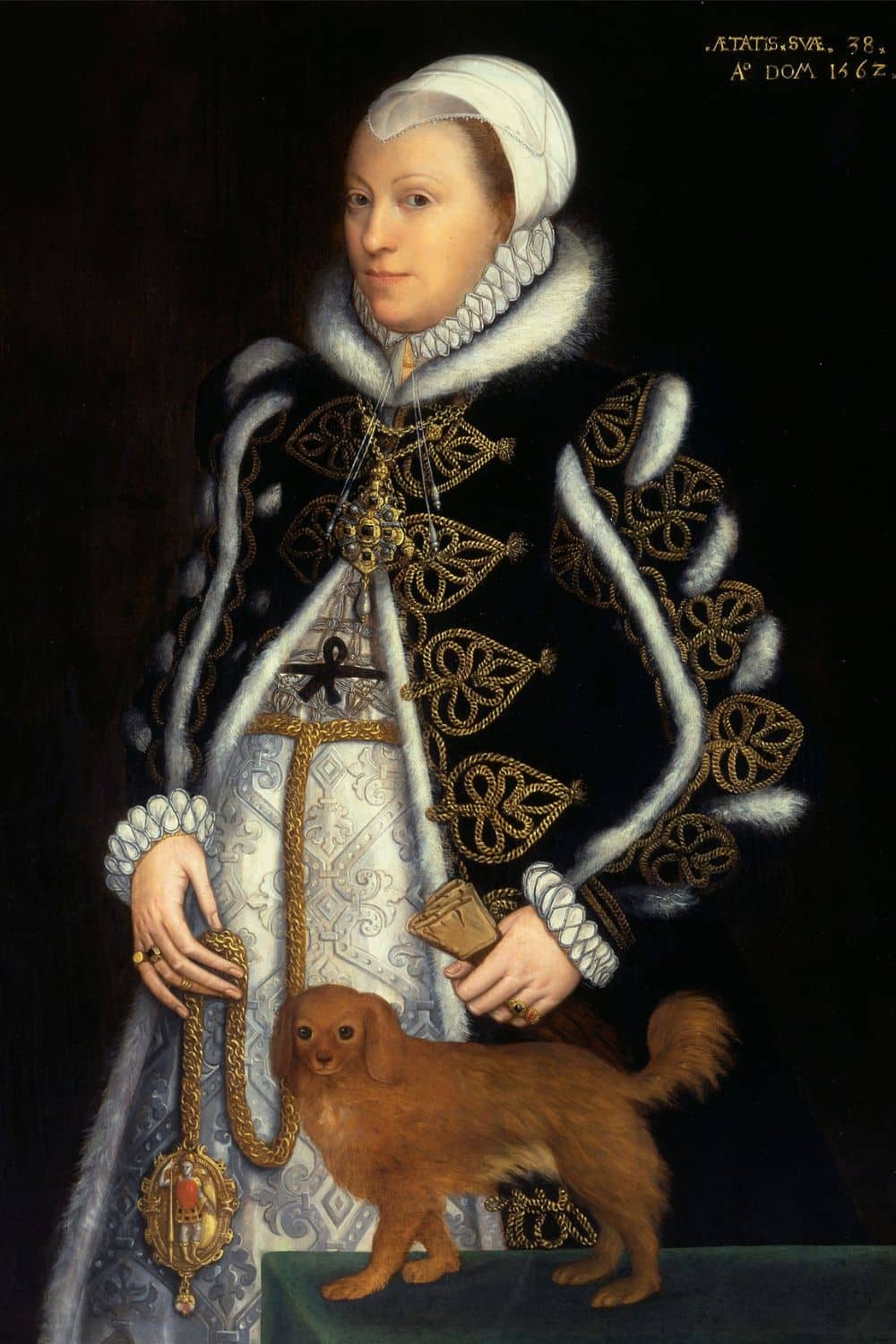

Catherine Carey, born around 1524, became one of Queen Elizabeth I’s most trusted ladies-in-waiting. She served as Chief Lady of the Bedchamber, bringing her into daily contact with the Queen. Catherine was said to resemble Elizabeth closely, so much so that rumors about her paternity lingered long after Mary’s death.
Elizabeth never addressed those rumors but showed lifelong loyalty to Catherine and her children. When Catherine died in 1569, Elizabeth was grief-stricken and ordered an elaborate funeral at Westminster Abbey, a rare honor for someone without a noble title.
Henry Carey, born in 1526, also benefited from Elizabeth’s favor. In 1559, just months after she took the throne, she made him Baron Hunsdon. He served as a Privy Councillor, Lord Chamberlain, and even led troops against the Spanish during Elizabeth’s reign. He remained loyal to the Queen throughout her life, and she is said to have offered him the Earldom of Wiltshire, the former Boleyn title. He turned it down, reportedly due to ill health. Henry died in 1596, and like his sister, he was buried with honors.
Through her daughter’s line, Mary Boleyn became an ancestor of the modern British royal family. Elizabeth Bowes-Lyon, the Queen Mother, was one of her many descendants. That makes Mary a distant forebear of Queen Elizabeth II and King Charles III.
She didn’t wear a crown. She didn’t hold power. But she survived long enough for her family’s bloodline to shape the throne for centuries to come.
Love a good medieval story?
Join our readers and get tales of kings, queens, castles and ordinary medieval lives straight to your inbox.

Kylie Lang is a nationally syndicated travel journalist with bylines on the Associated Press Wire & more, a medieval history writer, and the founder and lead author of Tales of the Middle Ages (talesofthemiddleages.com). She holds a BA (Honours) in History from the University of Kent and is a member of the British Guild of Travel Writers.