England has more castles than you can shake a stick at. In the same way that France has its châteaux, England has its castles. After all, an Englishman’s home is his castle, as the old saying goes.
But not all castles are created equal. Some are ruins with very little to see and a lot left to the imagination, while others give you a very real insight into medieval life.
Table of Contents
So if you’re on the medieval castle trail when you visit England, there are a few places I’d put at the top of the list. Some will be National Trust properties, while others are privately owned, but they all have something different to say and tell their own story, which I think is worth hearing.
Which English Castles Are Worth Visiting for Medieval History?
Here’s the short version. For medieval history specifically, I’d prioritize the Tower of London, Dover, Warwick, Kenilworth, Bodiam, Tintagel, Alnwick, and Corfe.
They split neatly into two camps: the intact or restored castles you walk right through, like the Tower, Warwick, and Alnwick, and the open ruins you wander freely, like Kenilworth, Bodiam, Tintagel, and Corfe.
One thing to hold in mind before you set off. England has thousands of castle sites scattered across it, so this is a curated shortlist, not the full map.
Before you book anything, work out what kind of day you’re after, because the two camps give you very different experiences.
The intact and restored castles, Warwick chief among them, can be theme-park lively, with jousting in the arena, birds of prey wheeling overhead, and costumed guides.
The ruins are quieter, and, to my mind, more haunting. You stand in a roofless great hall with the wind coming through, and you fill in the rest yourself.
The Tower of London: Norman Power Up Close
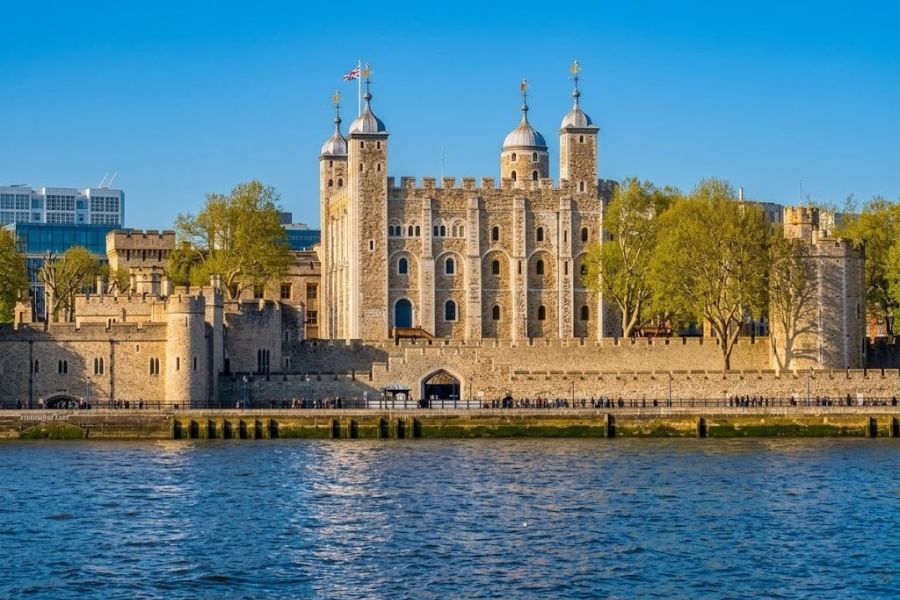
If you visit one medieval castle in England, make it this one. The White Tower at its heart was begun by William the Conqueror around 1078, and it remains the clearest statement of Norman conquest you can walk into anywhere in the country.
It was built to awe and terrify a newly conquered London, and nearly a thousand years on, it still does the job.
What makes the Tower extraordinary is how many stories it holds at once. It has been a royal palace, a fortress, a mint, a menagerie, and a prison across roughly 900 years, so the medieval layer sits shoulder to shoulder with centuries more.
This is the ground where Anne Boleyn met the executioner’s sword in 1536, one of the most famous of the Tower’s many grisly Tudor endings. Small wonder it has one of the most fearsome reputations for ghosts and hauntings of any castle in England.
For the specifically medieval story, head straight for the Medieval Palace exhibition, which recreates the royal lodgings of Edward I. A word of warning. The Tower is the most-visited paid attraction in England, drawing around 2.9 million visitors a year, so book ahead and go early.
Book tickets to visit the Tower of London >>
Is Dover Castle Worth Visiting?
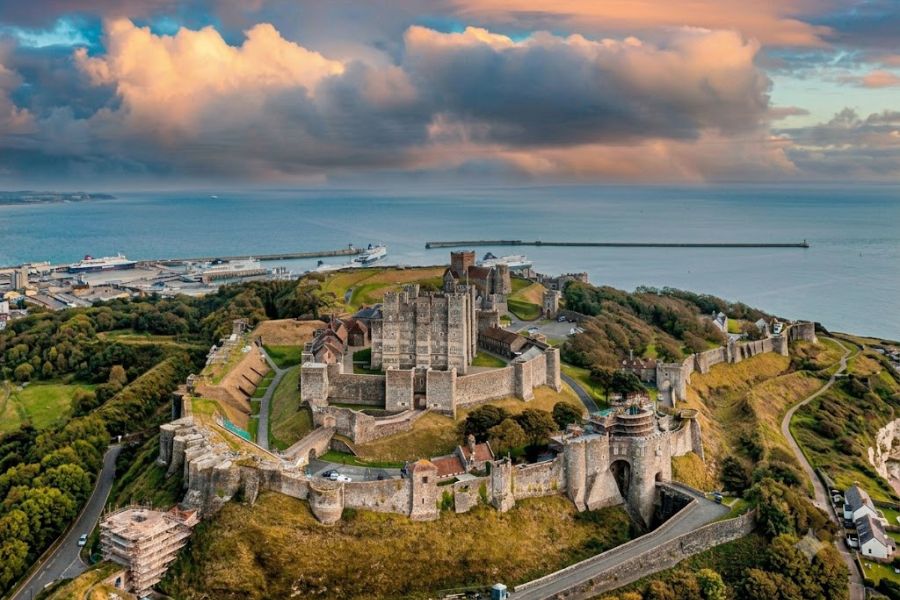
Yes, and if you want a fortress that still feels every inch a fortress, this is the one I’d push you toward. Dover is the largest castle in England, standing guard over the narrowest part of the Channel, and it has been the front door to the country for the best part of two thousand years.
Henry II, husband of the formidable Eleanor of Aquitaine, poured a fortune into rebuilding Dover in stone in the 1180s, spending more than £6,000, which made it the most expensive castle project of his entire reign.
His Great Tower still stands, and today it’s fitted out to show how a medieval king actually lived, all painted walls and thrones rather than bare grey stone.
In 1216, the castle held out against a French siege that helped decide the fate of the crown, in the same turbulent years that made William Marshal, the greatest knight of the age, regent of England.
There’s a Roman lighthouse in the grounds, one of the oldest buildings in Britain, and a warren of secret tunnels cut into the white cliffs that ran the Dunkirk evacuation in 1940. It’s an English Heritage site about 90 miles from London, and it’s big. Wear comfortable shoes and give it a full day.
Book tickets to Dover Castle >>>
Warwick Castle: The Crowd-Pleaser
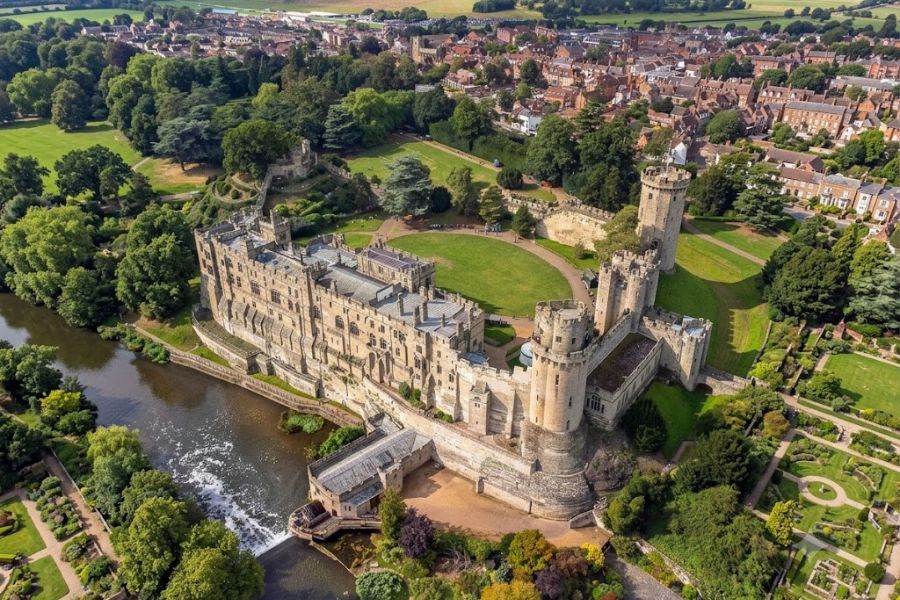
Warwick is the one to pick if you want your medieval history lively, guided, and thoroughly good fun for all ages. Founded by William the Conqueror in 1068 and now run privately by Merlin Entertainments, it’s the polished, family-friendly end of the castle spectrum, with live jousting, falconry displays, and a famous collection of arms and armor.
Its real history is every bit as dramatic as the shows. This was the seat of Richard Neville, the Earl of Warwick, who they called the Kingmaker, who made and unmade kings during the Wars of the Roses until his luck ran out.
Wandering the ramparts and the armory, it’s not hard to picture the knights whose names became legend riding out from a place like this.
Book tickets to Warwick Castle >>>
Kenilworth Castle: England’s Largest Ruin
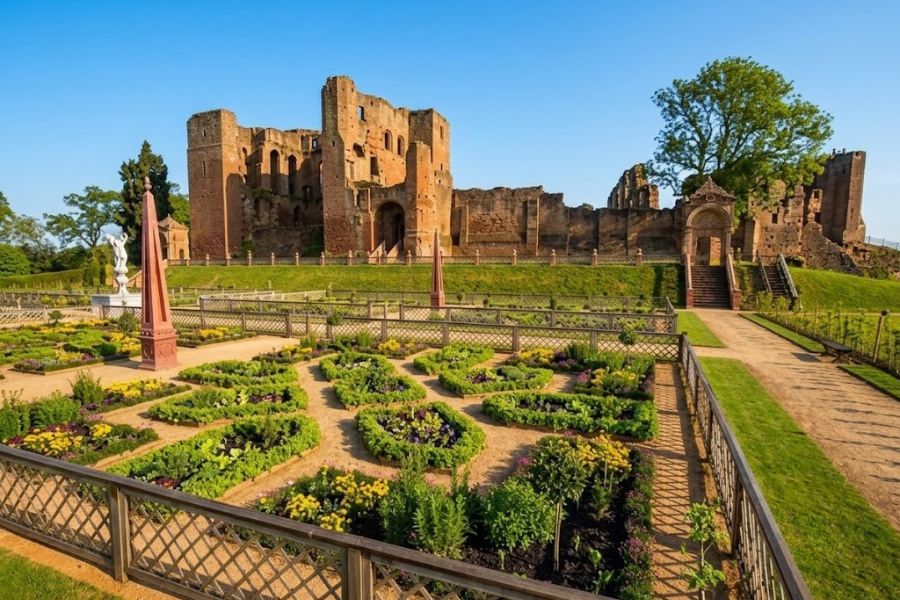
Kenilworth is the ruin to beat for sheer scale and atmosphere. It’s the largest castle ruin in England, a great sprawl of warm red sandstone in Warwickshire, and it survived the longest siege in English medieval history.
That siege, in 1266, is the reason to come. During the Second Barons’ War, the garrison held out here for six long months against the king’s forces before hunger finally forced them to surrender.
Standing among the roofless towers, you get a real sense of how a castle this size could defy an army for half a year. It’s an English Heritage site, and it sits so close to Warwick that you can pair the two in a single day, one restored and lively, the other ruined and brooding.
Book tickets to Kenilworth Castle >>>
Bodiam Castle: The Fairytale Moat
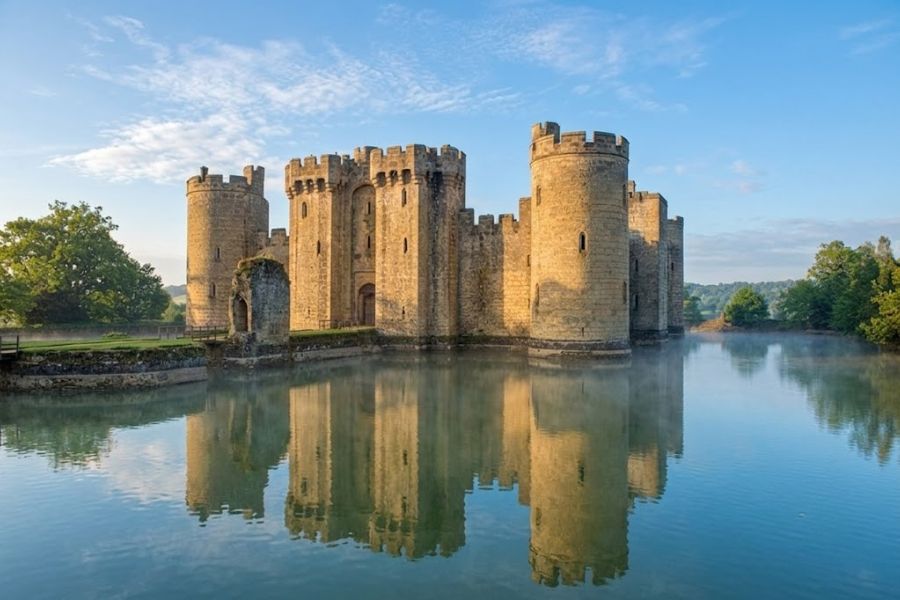
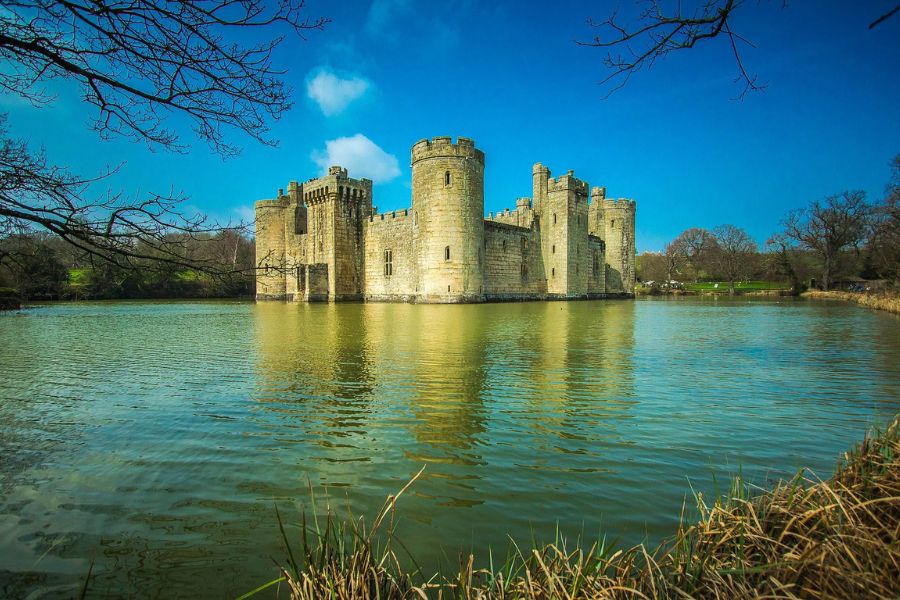
Bodiam is the castle from the storybooks, the one small children draw, with fat, round towers reflected in a broad square moat. Built in 1385 by a knight named Sir Edward Dalyngrigge, with the king’s permission, it was raised to guard the Sussex countryside against French raids during the Hundred Years’ War.
Behind those perfect walls, the interior is a shell, so this is a castle you admire rather than tour, and it is heart-stoppingly lovely from the far side of the moat. It has been in the care of the National Trust since 1925.
Book tickets to Bodiam Castle >>>
Tintagel Castle: Where Legend Says Arthur Was Born
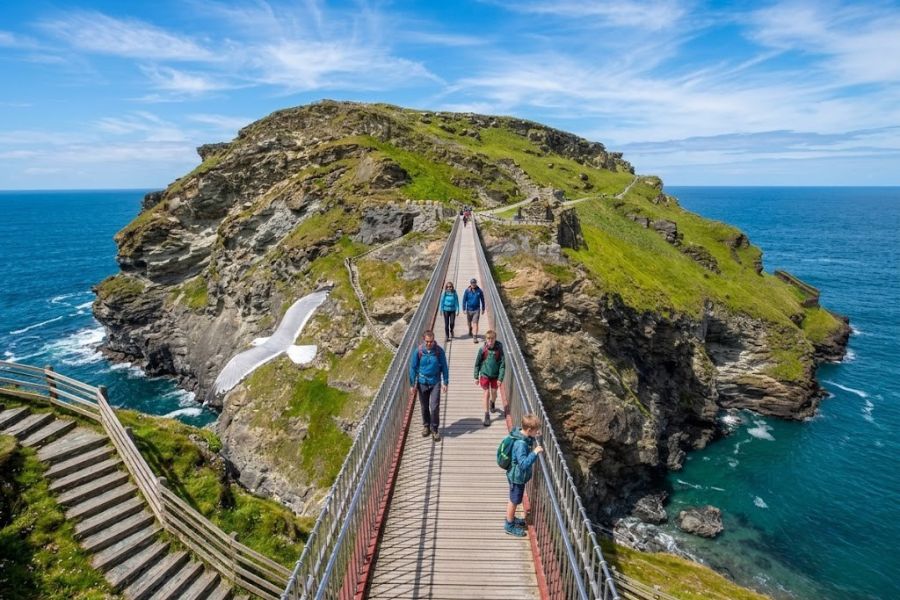
Tintagel trades siege warfare for something far older and stranger. Perched on the wild Cornish coast, this is the castle bound up with the legend of King Arthur, said by the medieval writer Geoffrey of Monmouth to be the very place Arthur was conceived.
The real history has its own romance. Richard, Earl of Cornwall, built a castle here in the 1230s largely to tie his name to those Arthurian tales, which were already the blockbuster stories of their day.
The setting does the rest. Waves crash far below, the ruins cling to a near-island of rock, and in 2019, English Heritage opened a footbridge that reconnects the two halves of the site, letting you cross the chasm much as medieval visitors once did.
Come for the legend and the scenery rather than for grand medieval rooms, because here the landscape is the star.
Book tickets for Tintagel Castle >>>
Alnwick Castle: The One That’s Still Lived In
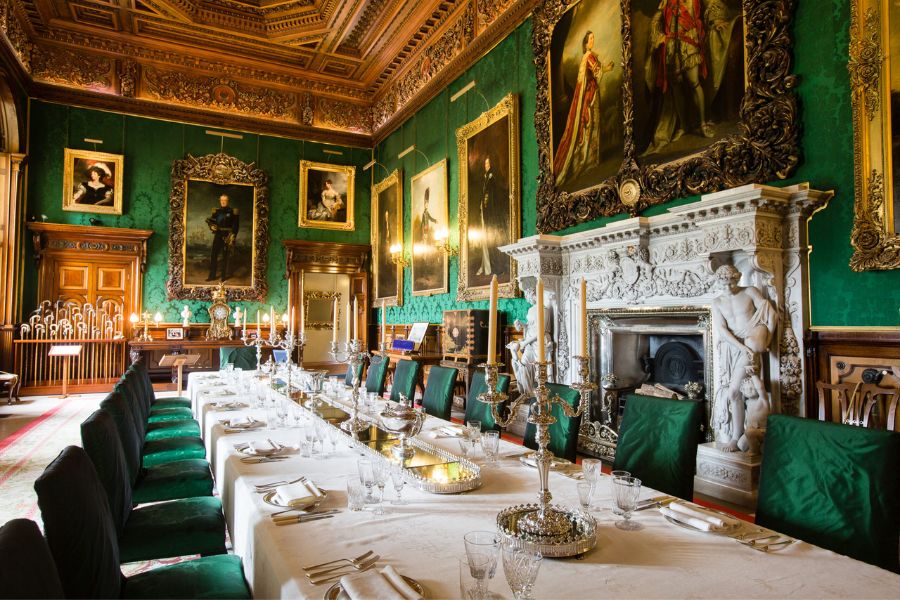
Some medieval castles are museums, and some are still somebody’s home. Alnwick in Northumberland is the second largest inhabited castle in England after Windsor, and it’s still the seat of the Duke of Northumberland, whose Percy family has held it for more than 700 years.
Its keep dates from the 14th century, and because the family still lives there, it’s open to the public mainly through the summer months, so check before you travel.
Alnwick stood in as Hogwarts in the first two Harry Potter films, and it’s where Harry had his very first flying lesson. While you’re up in that gorgeous corner of the country, nearby Bamburgh Castle is well worth adding on, a mighty coastal fortress with roots stretching back to Anglo-Saxon times, still privately owned to this day.
Book tickets to Alnwick Castle >>>
Corfe Castle: A Ruin With a Violent End
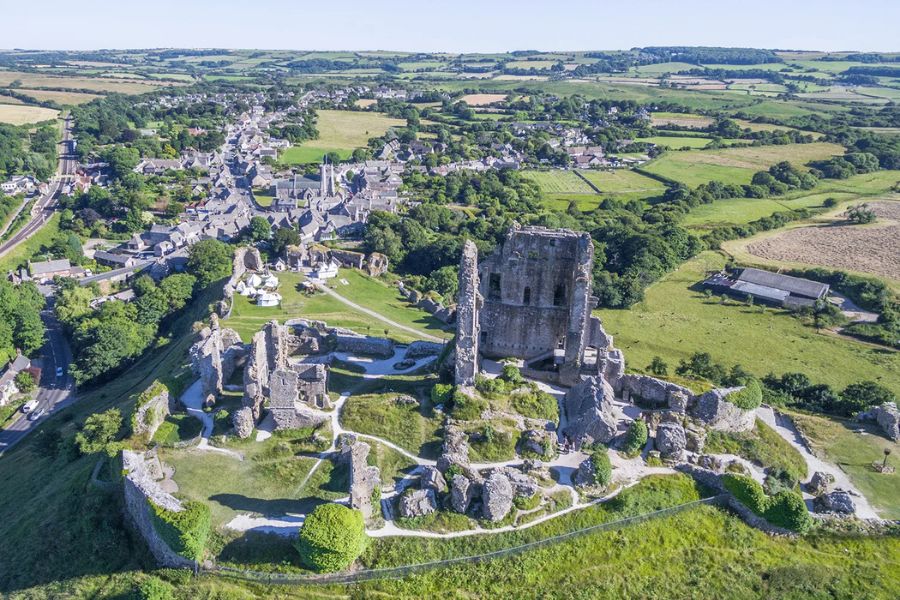
Corfe in Dorset is the one for a windswept, romantic walk among the wreckage of a real drama. It rises on a hill above a village of grey stone, and was blown up on purpose.
By 1645, Corfe was one of the last royalist strongholds left standing in southern England during the Civil War. When it finally fell, Parliament ordered it slighted, deliberately destroyed with gunpowder so it could never be defended again, and the great leaning chunks of masonry you see today are the result.
It’s a National Trust site, brilliant for a blustery afternoon with the wind in your hair and the history under your feet. Bring a coat.
Book tickets to Corfe Castle >>>
How Much Do English Castles Cost, and When Should You Go?
Prices vary a lot depending on who runs the place. The big private attractions like Warwick can cost around $50 on the gate, while ruins looked after by English Heritage are usually a good deal cheaper, and at some sites you can roam parts of the grounds for very little.
If you plan to see several castles, this is my one real money tip. An English Heritage or National Trust membership can pay for itself in a single trip, since between them they care for most of the sites on this list.
As for timing, late spring through early fall gives you the best of the weather and the long daylight. Winter has its own moody, near-empty magic, but opening hours get cut right back, so always check first.
And for the big paid castles, book online in advance and arrive early to dodge the school-holiday crush.
Frequently Asked Questions
What is the best castle in England for medieval history?
The Tower of London is the top pick for medieval history. Its White Tower, begun by William the Conqueror around 1078, is the finest surviving example of Norman military building in England, and its Medieval Palace exhibition recreates the royal lodgings of Edward I. It’s the most visited paid attraction in the country, so book ahead.
What is the largest castle in England?
Dover Castle is the largest castle in England by area. It stands above the Channel in Kent and was rebuilt in stone by Henry II in the 1180s at a cost of over £6,000, the most expensive castle project of his reign. Its layers span a Roman lighthouse, a medieval great tower, and Second World War tunnels.
What is the largest castle ruin in England?
Kenilworth Castle in Warwickshire is the largest castle ruin in England. Built largely of red sandstone, it withstood a six-month siege in 1266 during the Second Barons’ War, the longest siege in English medieval history. It’s now cared for by English Heritage and is free to explore beyond the entry gate.
Are any English castles still lived in?
Yes. Alnwick Castle in Northumberland is the second largest inhabited castle in England after Windsor and remains the seat of the Duke of Northumberland, whose family has held it for over 700 years. It’s open to visitors mainly in summer and famously stood in as Hogwarts in the first two Harry Potter films.
Which English castle is best for children and families?
Warwick Castle is the most family-friendly. Run by Merlin Entertainments, it offers live jousting, falconry, costumed guides, and a renowned armory collection, so the history is brought to life rather than left to the imagination. Tickets run around $50 on the gate, making it the priciest option, but the fullest day out for younger visitors.
Do you need a car to visit English castles?
For most, yes. The Tower of London sits in central London and is easy by public transport, but Dover, Kenilworth, Bodiam, Tintagel, Corfe, and Alnwick are far more comfortable to reach by car, and several are a fair distance apart. Dover, for example, is about 90 miles from London.
Related posts:
 The Rise and Fall of the Kingmaker: Richard Neville’s Ruthless Game of Thrones
 Heads Will Roll: The Haunted History of Five of England’s Medieval Castles
 How George Plantagenet, Duke of Clarence, Ended Up Dying in a Wine Barrel
 Why Did the Plantagenet King Edward IV Kill His Own Brother In a Barrel of Wine?