As the nights draw in, I’m always on the lookout for a new book to get stuck into and read by the fire with a mug of something warm. The best books about the Plantagenets for a casual reader or someone new to this dynasty are, in my opinion, Elizabeth Chadwick’s.

Her trilogy on Eleanor of Aquitaine takes you inside another world and is meticulously researched while still telling a compelling story.
Table of Contents
If you’re like me and enjoy history woven into factually accurate fiction, you’ll love all her novels, as she’s written many, including a four-book series on William Marshal, the greatest knight that ever lived.
Elizabeth Chadwick: The Novelist to Start With
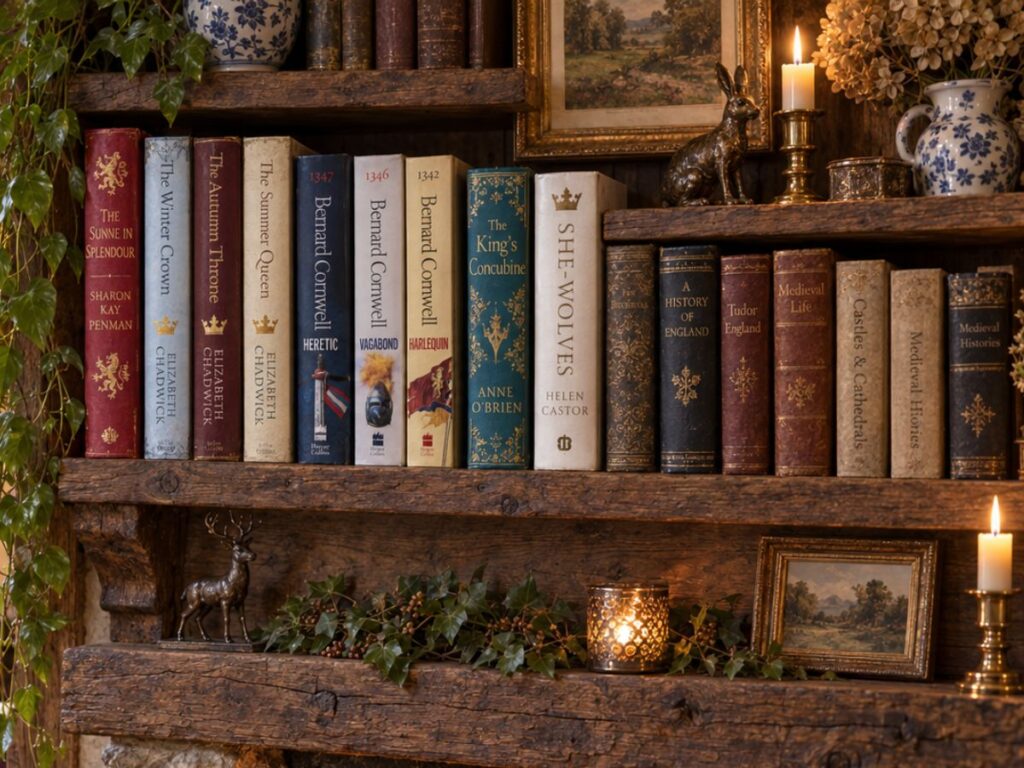
Elizabeth Chadwick is one of the best medieval fiction writers around right now. Her Eleanor of Aquitaine trilogy is fantastic, and I read all three in pretty short succession and loved them. I felt like I really got to know the woman behind the legends, and it’s where my obsession with her really started.
The Summer Queen, the first in the series, is 478 pages, and Chadwick conveys the many heartbreaks Eleanor endured in her younger years. The two that follow take you through the rest of her life, the children she has, her second marriage, and her years imprisoned.

Chadwick’s other great subject is William Marshal, the greatest knight of the age. The Greatest Knight (2005) and The Scarlet Lion (2006) brought her international acclaim, and Richard Lee, founder of the Historical Novel Society, nominated The Scarlet Lion as one of the top ten historical novels of the last decade.
The Scarlet Lion follows William through the reign of King John, Magna Carta, the wars with France, and his role as Lord Protector to the young Henry III. I couldn’t put it down and fell head over heels in love with him.
Around these books on William Marshal, she’s built an entire Marshal family library: A Place Beyond Courage about William’s father, John Marshal, To Defy a King about his eldest daughter Mahelt, whose brothers are taken hostage by the king, and Templar Silks, in which the dying William sends a friend to fetch the Templar burial shrouds he had hidden since returning from the Holy Land.
Sharon Kay Penman: The Novelist Serious Readers Come Back To
If you want the drama as fiction, Sharon Kay Penman is one of the best there is. Her Plantagenet sequence begins with When Christ and His Saints Slept, which opens with the White Ship going down and takes you through the Anarchy, the marriage of Empress Matilda to Geoffrey of Anjou, and the birth and childhood of the boy who would become Henry II.
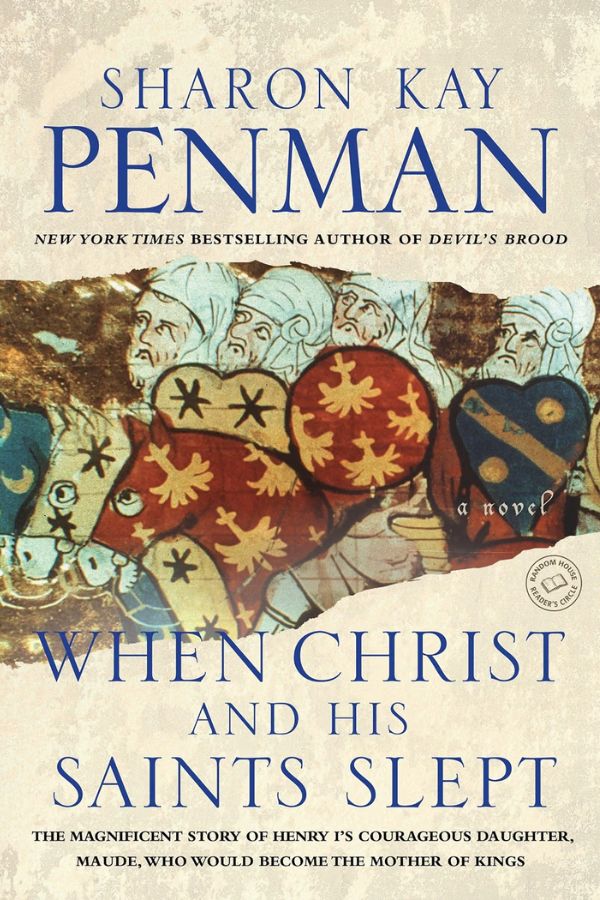
It ends with Henry and Eleanor of Aquitaine in triumph, and the publisher had so much faith in it that they launched with a first printing of 75,000 copies and a $100,000 promotion budget, which is quite the vote of confidence.
She planned Devil’s Brood as the closer of a trilogy, but Henry’s story swallowed the book whole, so Lionheart and A King’s Ransom followed, and the trilogy became five. Read them in order. Characters carry across, and it’s worth investing in the series; you’ll be hooked in the first chapter.
Penman herself said she found no villains in the 15 years she spent on this world; Henry II was a brilliant king and a bad father, but not a villain. She writes politics, power struggles and the social consequences of war rather than gore or invented romance, and she flags every liberty she takes in the author’s notes at the back.
Her books are long and detailed but brilliant and utterly compelling.
Anne O’Brien: The Plantagenet Women, Given Their Own Voice
The Plantagenet women ran regencies, led armies and steered their sons and husbands from the shadows. Most left almost no record of themselves, and Anne O’Brien has spent her career giving them one.
O’Brien studied history at Manchester and taught in the East Riding before turning to fiction; after nine historical romances and a novella, she moved to writing about the women of medieval history who left little on the page.
She lives in a timber-framed cottage in the Welsh Marches in Herefordshire, a landscape she credits as the inspiration for the books, and it does show. Her novels stand alone, so you can start with whichever queen or duchess catches your eye rather than working through a series.
Five of her novels sit inside the reigns of Edward III and Richard II, with some characters wandering between them, and taken together they’re the best fictional map of the Plantagenet court in its later decades.
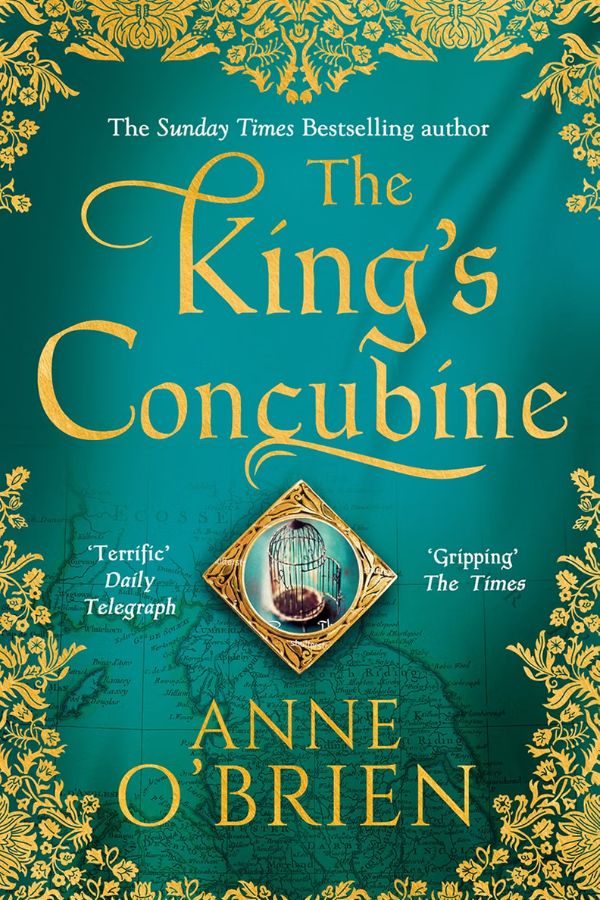
The King’s Concubine tells the story of Edward III and Alice Perrers, the royal mistress the court despised and the old king relied on. The Scandalous Duchess is the story of Katherine Swynford and John of Gaunt, the great love affair of the age.
The Shadow Queen is about Joan of Kent, a granddaughter of Edward I brought up at the court of her cousin Edward III after her father was executed for treason, and it’s her eighth book about medieval England’s forgotten or sidelined royal women.
The King’s Sister follows Elizabeth of Lancaster, daughter of John of Gaunt and Blanche of Lancaster, and A Tapestry of Treason picks up Constance of York, Lady Despenser, whose loyalties nearly cost her everything.
Bernard Cornwell: The Longbow and the Hundred Years’ War
For the fighting side of the Plantagenet story, the campaigns in France that filled the reigns of Edward III and Henry V, Bernard Cornwell is your novelist.
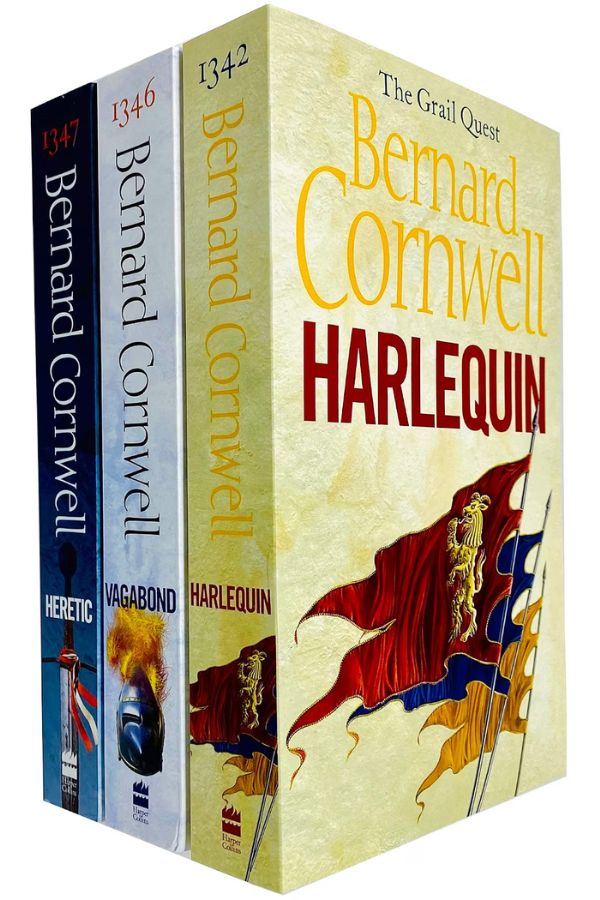
His Grail Quest series is set during the opening stage of the Hundred Years’ War and follows Thomas of Hookton, a young English archer who leaves Dorset after his father’s murder by his own cousin and joins Edward III’s army. The first book, Harlequin, takes him through the fighting in Brittany and to the field at Crécy.
Cornwell writes battles the way few novelists can, and the archer’s-eye view makes you feel as though you’re experiencing it firsthand.
If you don’t want to read a series, Agincourt is a standalone book on the Hundred Years’ War. It follows Nicholas Hook, an outlawed archer who becomes a fugitive at the sack of Soissons and ends up assigned to Sir John Cornewaille’s men in Henry V’s army.
It’s a stunning ride through the battles best known from Shakespeare’s Henry V, from the siege of Harfleur across France, filled with blood, gore, and treachery, with vivid characters that draw you right in.
Helen Castor: She-Wolves
For readers who want women who wielded power, Helen Castor’s She-Wolves: The Women Who Ruled England Before Elizabeth, published in 2010, is the best book.
Castor is a historian of medieval England and a Fellow at Sidney Sussex College, Cambridge, and She-Wolves is her most-read title, later adapted by the BBC.
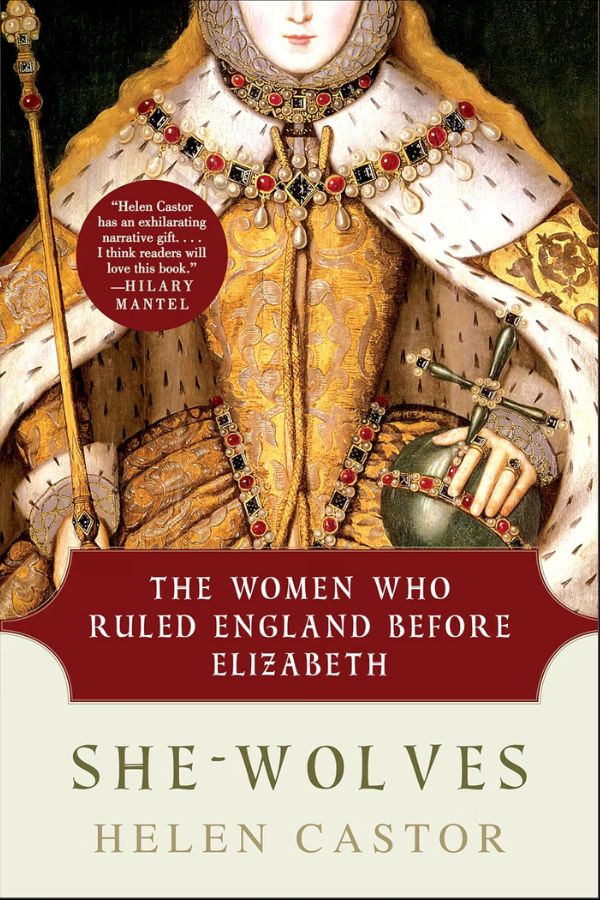
It covers Matilda, Eleanor of Aquitaine, Isabella of France, and Margaret of Anjou across nearly 400 years of English history.
How could a woman hold power in a system that explicitly said she couldn’t? Matilda was named heir to her father, Henry I, but her cousin Stephen pulled the crown from under her.
Eleanor of Aquitaine was queen of France, then queen of England, and her second husband imprisoned her for sixteen years for backing her sons against him.
Isabella invaded England in 1326 with her lover Roger Mortimer and deposed her own husband, Edward II.
Margaret of Anjou led the Lancastrian armies in the Wars of the Roses in her son’s name.

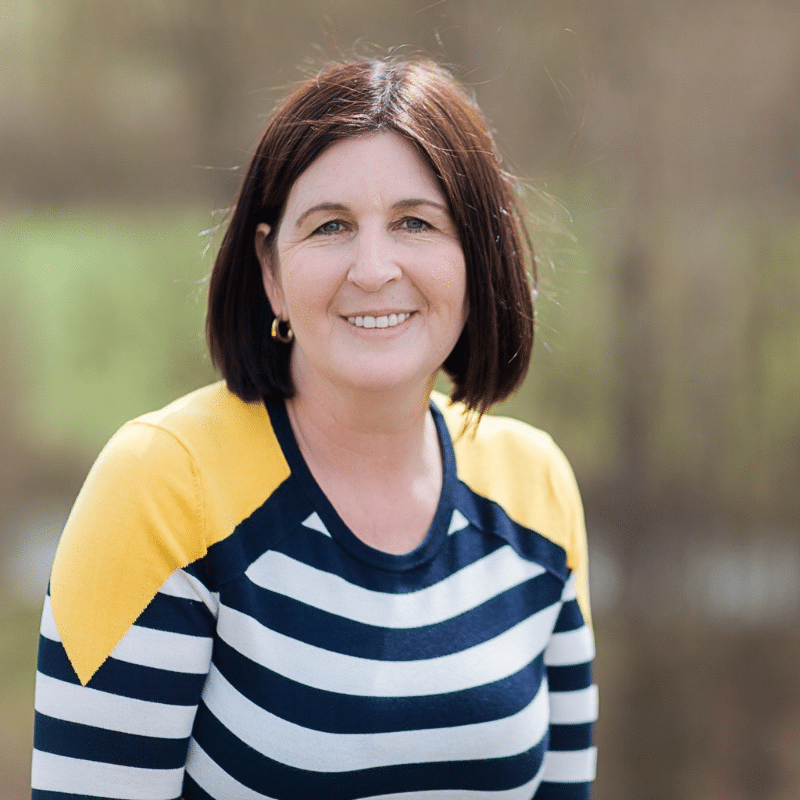
Kylie Lang is a nationally syndicated travel journalist with bylines on the Associated Press Wire & more, a medieval history writer, and the founder and lead author of Tales of the Middle Ages (talesofthemiddleages.com). She holds a BA (Honours) in History from the University of Kent and is a member of the British Guild of Travel Writers.