It’s funny how your mind works when you’re doing certain tasks. A few weekends back, I spent an entire morning digging manure, throwing it into the back of a trailer, transporting it from the farmer next door to my garden, and then shoveling it all from the trailer into my new tomato bed.
To say I was knackered would have been an understatement. It was hot, and the work was backbreaking. By the end of it, my back was aching, my boots needed a bloody good clean, and I had blisters on my hands from shoveling.
Table of Contents
It struck me halfway through that a medieval peasant woman would have laughed in my face at the idea of calling this hard work. Her working day would have started before dawn and gone until dusk, sharing the field labor with her husband, brewing the family’s ale, cooking, spinning, minding the livestock, and the children.
It kind of makes my four hours of work look like a walk in the park by comparison. But that was the reality for a peasant woman. These women were the backbone of the whole medieval world.
Peasants made up something like 80 to 90 percent of the population, and in France, closer to 90.
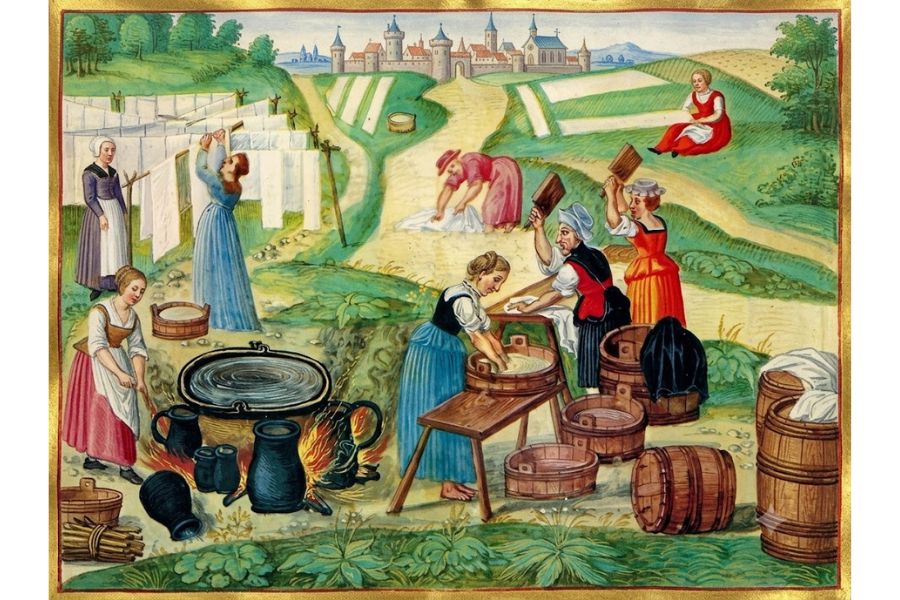
What Did a Peasant Woman Actually Do All Day?
She worked. That’s the short answer. Field labor, housework, and childcare all folded into one long, unbroken stretch of time, and in the busy seasons, she was up starting her chores in the dark.
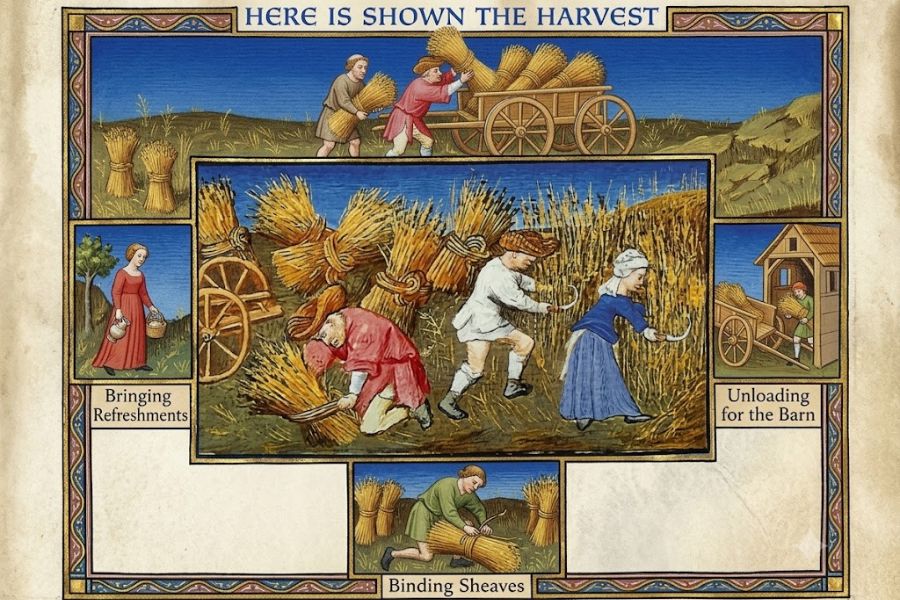
A peasant woman reaped, sowed, sheared sheep, weeded, and hauled sacks of grain right alongside the men, and never more so than at harvest, when every pair of hands counted. Look at the old illuminated calendars like the Très Riches Heures and there she is, sickle in hand, bent over the corn.
And that was only the outdoor half. On top of the fields came the cooking, the spinning, the mending, the chickens and geese to mind, and the sick to nurse. Her work, more or less, never stopped.
Mind you, it wasn’t quite the relentless modern grind either. She actually clocked up fewer total hours across the year than many of us do now, because the dark months and the holy days forced real rest. The seasons were a harsh boss, but not a constant one.
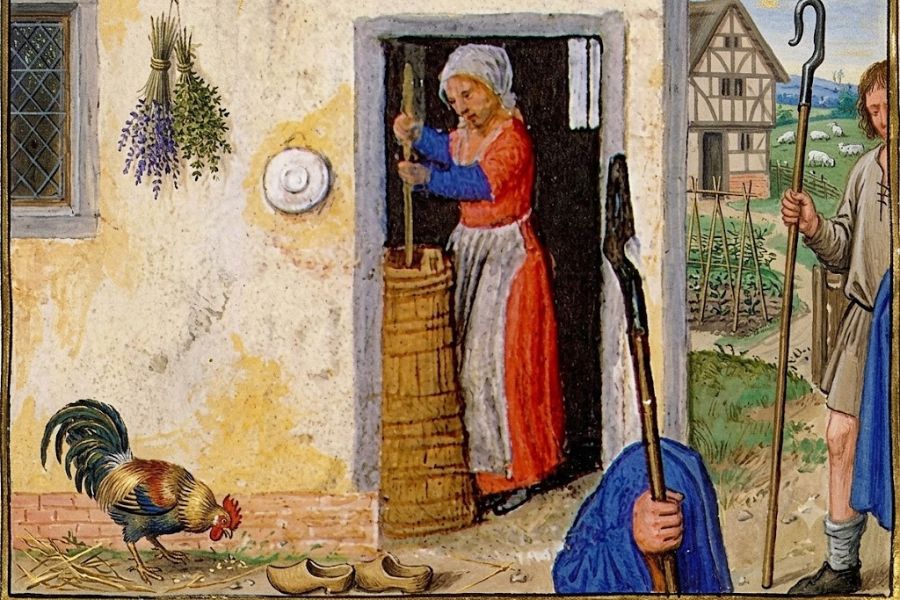
Why Was Brewing Ale a Woman’s Job?
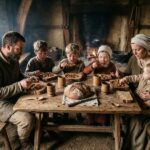
Of all her jobs, brewing is the one I find most fascinating, because it was almost entirely hers. Before the 14th century, the records treated brewing as a solely female profession. It was done at home, it fit around the children, and it passed from mother to daughter like a family recipe.
It also never stopped, because the stuff wouldn’t keep. A family of five got through around 9 gallons of weak ale a week, and it spoiled within days, so nearly every woman in England knew how to brew before 1500. So, someone was always brewing.
The clever ones made extra to sell. These brewsters, or alewives, sold their surplus to neighbors, and it was one of the very few ways a peasant woman could earn money that was truly her own.
Sadly, as brewing grew profitable and commercial from the 16th century, men muscled in and pushed the women out, and the word “brewster” faded away. Worse, the alewife got recast as something sinister, and a fair bit of our witch imagery comes straight from her: the pointed hat, the cauldron, the cat, the broom over the door that once simply meant fresh ale was ready.
A woman with her own income made people nervous. Some things don’t change.
Hooked on the Middle Ages? Get more stories like this one in your inbox.
How Old Was a Peasant Woman When She Married?
The medieval peasant girl married off as a child bride is mostly fiction. In northwestern Europe, peasant women usually married in their early twenties, not their early teens, and their husbands were typically only two or three years older, nothing like the great age gaps you saw among kings and nobles.
The reason is practical. Under what historians call the northwestern European marriage pattern, a young woman often spent her late teens working as a servant or a laborer first, saving up to help start a household of her own.
Marriage waited until she could afford it. In England in 1377, roughly a third of adult women were still single, which tells you plenty.
I should be fair and add the regional catch. Southern Europe, Italy, Spain, and southern France, did marry women younger, sometimes much younger. So the child-bride picture isn’t invented out of nothing. It just belongs to a different part of the map than most people think.
Children, Childbirth, and Running the Household
Once married, she bore and raised children while carrying on with everything else. There was no stepping back from the work for a pregnancy. When the fields called, she leaned on her mother, her older daughters, and the other women of the village to mind the little ones, and she did the same for them in turn.
Childbirth itself was dangerous, and for most peasant families, there was no formal help at all, just experience and the local women who had done it before.
The children learned by doing. Girls picked up household skills early and were handed real adult responsibilities young, while boys followed their fathers into the fields or into a trade. And holding all of it together was the village itself. That web of women trading labor, childcare, and know-how was the only safety net there was, and it was a surprisingly strong one.
What Did She Eat, Wear, and Live In?
Her life was plain, but not quite as grim as the films make out. The daily food was bread, pottage, small beer, seasonal vegetables, and the odd bit of preserved meat, heavy on grain and light on anything fresh or fancy.
Meat was salted down in autumn because there was no way to feed the animals through winter, so a pig killed in November had to last.
Her clothes were simple wool and linen, practical and much-mended, nothing like the flowing gowns of the nobility. And home was a one or two-room house of wood and thatch, with a central hearth or a wall fireplace, beds along one wall, a cooking pot, and precious few possessions. Materialism had no place in medieval life for most people.

Did Medieval Peasant Women Have Any Freedom or Rights?
If she were an unfree villein, and most were, she was tied to the manor and to the lord who ran it. She paid him fees to marry, fees to inherit, fees even to grind her grain at his mill. Her marriage often needed his permission, and she could not simply up and leave the manor without it.
The manor court fined, regulated, and recorded a startling amount of daily life, right down to the quality of the ale she brewed. Big Brother in a smock.
But it wasn’t total powerlessness. Selling ale, holding land as a widow, earning a wage at harvest, these gave a woman small footholds of independence that the history books long overlooked. She was controlled, yes. Helpless, no.
The Myths We Still Get Wrong About Her
So let me sweep up the big myths, because she deserves better than the ones we’ve hung on her.
She did not drink only ale and never water. Ale was common and nourishing, but the notion that nobody touched water falls apart the moment you do the sums. Brewing enough ale to hydrate the whole population would have swallowed something like 83 percent of the country’s grain harvest, which is plainly impossible. People drank water too, especially the poorest, who couldn’t spare grain for the brew.
She wasn’t filthy from cradle to grave, either. People washed and bathed a good deal more than the “filthy Middle Ages” story allows. And she certainly wasn’t a child bride, as we’ve already seen.
Most of all, she wasn’t a helpless damsel waiting to be rescued. Medieval women were workers, defenders, and strategists, the load-bearing wall of their entire society, and they were largely written out of the history books until the last few decades. My aching back and my one measly wheelbarrow of manure salute her.
Frequently Asked Questions
What Time Did a Medieval Peasant Woman Wake Up?
A medieval peasant woman was usually up before dawn, often around 3 or 4 in the morning, getting the fire going and starting the food before the day’s outdoor work began at first light. Her day ran until dusk, and in busy seasons like harvest, it stretched longer still. There was no clocking off. The seasons set her hours, not a timetable.
Did Peasant Women Work in the Fields?
Peasant women worked in the fields constantly. Peasant labor wasn’t split strictly by gender the way noble life was, so women reaped, sowed, weeded, sheared sheep, and hauled grain right alongside the men, especially at harvest. On top of that, they still carried the cooking, spinning, childcare, and animal-tending at home, which made for a punishing double load.
Why Did Women Brew Beer in the Middle Ages?
Women brewed beer in the Middle Ages because it was done at home, fit around childcare, and passed from mother to daughter, so it naturally fell to them. Before the 14th century, they dominated the trade entirely. A family of five needed roughly 9 gallons of weak ale a week, and it spoiled fast, so someone was always brewing. Many women sold their surplus, earning rare independent income.
At What Age Did Medieval Peasant Women Get Married?
Medieval peasant women married later than most people assume. In northwestern Europe, they typically wed in their early twenties, not their early teens, often after years working as servants to save for a household. Their husbands were usually only two or three years older. A very young marriage was mainly a royal and noble practice, and it was more common in Mediterranean Europe than in England.
Did Medieval Peasants Really Never Drink Water?
Medieval peasants did drink water, so the “never touched it” claim is a myth. Ale was common because it was nourishing and kept its makers fed, but the idea that people drank only ale doesn’t survive the math. Supplying everyone with several pints of ale a day would have swallowed a huge share of the grain harvest. People drank water too, especially those who couldn’t spare grain for brewing.
How Many Children Did a Peasant Woman Have?
A peasant woman might bear several children across her adult years, though the number varied hugely, and many did not survive infancy. She carried on working the land throughout, leaning on her mother, older daughters, and neighbor women to mind the little ones when the fields called. Childbirth itself was dangerous, with no real medical help for most rural families.
Love a good medieval story?
Join our readers and get tales of kings, queens, castles and ordinary medieval lives straight to your inbox.
Kylie Lang is a nationally syndicated travel journalist with bylines on the Associated Press Wire & more, a medieval history writer, and the founder and lead author of Tales of the Middle Ages (talesofthemiddleages.com). She holds a BA (Honours) in History from the University of Kent and is a member of the British Guild of Travel Writers.