Have you ever wondered what you’d be called if you’d lived in the Middle Ages? Would it be something utterly unpronounceable, or maybe something quite traditional? I certainly wouldn’t have the name I have now, as the earliest record of the name Kylie dates back to 1877.
One thing’s for sure: they weren’t naming their children after fruit or countries. Baby names in the Middle Ages were often handed down generation after generation, and originality wasn’t part of the plan.
If you lived in medieval Europe, you were far more likely to answer to a name like Aethelred or Matilda than anything we’d hear in a modern playground. Some names have stood the test of time. Others? Not so much.

How Did People Choose Names in the Middle Ages?
Medieval names weren’t picked from baby books or based on trends. They reflected your faith, your family, and your place in society. Some names have lasted nearly a thousand years. Others vanished after a few generations, buried with forgotten saints and kings.
Most people were named after:
- A parent or grandparent
- A local saint or biblical figure
- A noble or a king currently in power
That meant entire villages were full of Johns, Marys, Williams, and Matildas. If you had more than one John in your village (and you always did), you got a nickname or a tag stuck on: John the Miller, John with the Limp, John of the Marshes.
Last names weren’t fixed yet, so first names had to work harder. They told people who your father was (Robert’s son), what job you did (Baker, Smith), or where you were from (of York, from the Hill). First names were a kind of shorthand. They placed you on the map, socially and literally.
What Would Your Name Be in the Middle Ages?
Answer a few quick questions to find out what name you might have carried through muddy streets, castle halls, or quiet monasteries.
Your Medieval Name Was…
Hooked on the Middle Ages? Get more stories like this one in your inbox.
Top 10 Boys’ Names in the Middle Ages

1. William
After 1066, William swept across England like a name tsunami. William the Conqueror was the face of power, order, and brutal control. If you were a Norman noble, you probably named your son William. If you were an English peasant trying to survive under the new rule, you might have done the same just to blend in.
It also helped that it sounded solid and masculine, coming from the old Germanic for “resolute protector.” Knights, priests, farmers, everyone seemed to know a William. And they still do.
2. John
No name was more widespread. If you lived in a medieval town, you’d hear “John” shouted on every street corner. Part of that came from religion. John the Baptist and John the Apostle were two of the most important biblical figures, and everyone wanted a bit of their divine protection.
There were also King John of England (the one who signed the Magna Carta), and countless Johns in every profession. It was the safe bet. Familiar, blessed, and impossible to spell wrong.
3. Richard
Blame it on Richard the Lionheart. Brave, battle-hardened, and a bit reckless, his name became shorthand for strength and nobility. Parents hoping for a son with backbone chose Richard. It comes from the Germanic words for “strong ruler,” which didn’t hurt its appeal.
4. Robert
Before surnames took over, “Robert” did a lot of heavy lifting. It was brought over by the Normans and stuck fast, especially in the north of England and Scotland. Robert the Bruce gave it serious weight, but even before him, it had deep roots in both royal and clerical circles.
It means “bright fame,” and back then, it was exactly the kind of thing people hoped their sons would achieve, especially in battle or service to the Church.
5. Henry
This was one of the go-to names for royalty across Europe. In England alone, there were eight King Henrys. The name itself means “home ruler,” which sounds appropriately serious in a time when managing one’s land, animals, and legacy was everything. Henry II, Eleanor of Aquitaine’s husband, helped seal its place as a name of real political power.
6. Thomas
Saint Thomas the Apostle was the original source, and after his name appeared in every church and monastery, parents across Europe started using the name. In England, the name really took off after Thomas Becket, the Archbishop of Canterbury, was murdered in his cathedral in 1170. His shrine became one of the biggest pilgrimage sites in the country. Thomas meant spiritual strength.
7. Geoffrey
It had prestige in the 12th century, especially among the Norman nobility. Geoffrey of Anjou, father of Henry II, helped spread it through royal bloodlines. The name itself means “peaceful pledge,” but it was also associated with intelligence and diplomacy. Writers and chroniclers used it too, like Geoffrey of Monmouth, who wrote some of the earliest stories about King Arthur.
8. Hugh
Short, strong, and French. Hugh was another Norman import, used widely in noble and religious circles. Hugh of Lincoln, a well-known bishop and eventual saint, helped the name gain popularity throughout the 12th and 13th centuries. It came from the word hug, meaning “mind” or “spirit”.
9. Gilbert
Popular among the knightly classes, Gilbert came over with the Normans and was especially common in France and England between the 11th and 13th centuries. There was Gilbert of Sempringham, the only English saint to have founded a monastic order. For religious families, that made it a pretty appealing choice. Today it’s rare, but in medieval times it was solid and respectable.
10. Baldwin
It doesn’t show up much anymore, but Baldwin had serious clout in medieval Europe. Several crusader kings of Jerusalem bore the name, and it was closely tied to the early Christian military campaigns in the Holy Land. It means “bold friend”. It faded by the 15th century, but it had its moment.
Top 10 Girls’ Names in the Middle Ages

1. Matilda
This one comes from the Germanic Maht-hild, meaning “strength in battle,” and it wasn’t just symbolic. Queen Matilda of Flanders, the wife of William the Conqueror, helped popularize the name in England. A few generations later, Empress Matilda (daughter of Henry I) nearly became the first female ruler of England.
It was a name with backbone. Noble families liked it because it sounded strong without being aggressive. And it stuck around for centuries in different forms, Tilda, Maud, and eventually Matilda again.
2. Eleanor
It sounded elegant, but it came with power. Eleanor of Aquitaine made sure of that. One of the most powerful women in medieval Europe, she was queen of both France and England, mother of two kings, and the kind of woman who didn’t just survive the medieval world, she ruled in it. The name comes from the Provençal Aliénor.
3. Margaret
Saint Margaret of Antioch gave this name a serious spiritual boost in the early Middle Ages. It means “pearl”. Margaret became a saint after defeating a dragon, allegedly from inside its stomach. Whether you believed the story or not, her name became one of the most common across Europe.
In England, Scotland, France, and even Scandinavia, Margaret was everywhere. Royal courts loved it. So did everyday people. It was solid, holy, and respectable.
4. Isabella
A Latin variation of Elizabeth, Isabella, spread through royal marriages across France, Spain, and England. Isabella of France, married to Edward II, brought it to English ears in the early 1300s. It had international flair, which gave it status. Parents used it to show ambition, especially in noble and upwardly mobile families.
5. Alice
This one came from Adelais, which meant “noble kind,” and like a lot of names on this list, it got a boost thanks to the Normans. Alice of Champagne and Alice of France were two queens who helped spread the name, but it was also widely used among merchants and tradespeople. It was easy to say, easy to spell.
6. Joan
A sturdy, straightforward name. Joan was the female form of John, and it carried all the religious associations with it. It was already widespread long before Joan of Arc came along, but her story gave it a kind of raw, defiant edge. There were dozens of Saint Joans, and it was a favorite among working-class families. It was a name Eleanor of Aquitaine chose for her youngest daughter.
7. Agnes
It was one of the most popular names in medieval Europe. Saint Agnes was martyred at the age of 13 for refusing to marry, and her name became a symbol of chastity and courage. It was popular among noblewomen, nuns, and peasants alike.
8. Edith
One of the few Old English names that survived the Norman Conquest. It means “riches” and “war,” which sounds like a contradiction but actually sums up the life of many medieval noblewomen quite well.
Edith was the name of Edward the Confessor’s queen, and it held on in England well into the 12th and 13th centuries. Eventually, it fell out of fashion, but it had a long run.
9. Cecilia
Tied to Saint Cecilia, the patron saint of music, this name was especially popular in religious households. It wasn’t as common as Margaret or Joan, but it was popular, especially in convents and among noble families.
10. Aethelthryth (later Etheldreda)
This one came straight from Anglo-Saxon royalty. Aethelthryth was a 7th-century princess who became a nun and a saint. Her shrine at Ely drew pilgrims for centuries. The name eventually became Latinized into Etheldreda, which continued to appear in church records throughout the Middle Ages.
Whether you’d have been a Matilda, a Hugh, or something more obscure like Etheldreda, your name would have carried weight. It told a story before you even opened your mouth. If you haven’t taken the quiz yet, go ahead and see what name you’d have been known by back then. You might be surprised.
What Would Your Name Be in the Middle Ages?
Answer a few quick questions to find out what name you might have carried through muddy streets, castle halls, or quiet monasteries.
Your Medieval Name Was…
Love a good medieval story?
Join our readers and get tales of kings, queens, castles and ordinary medieval lives straight to your inbox.
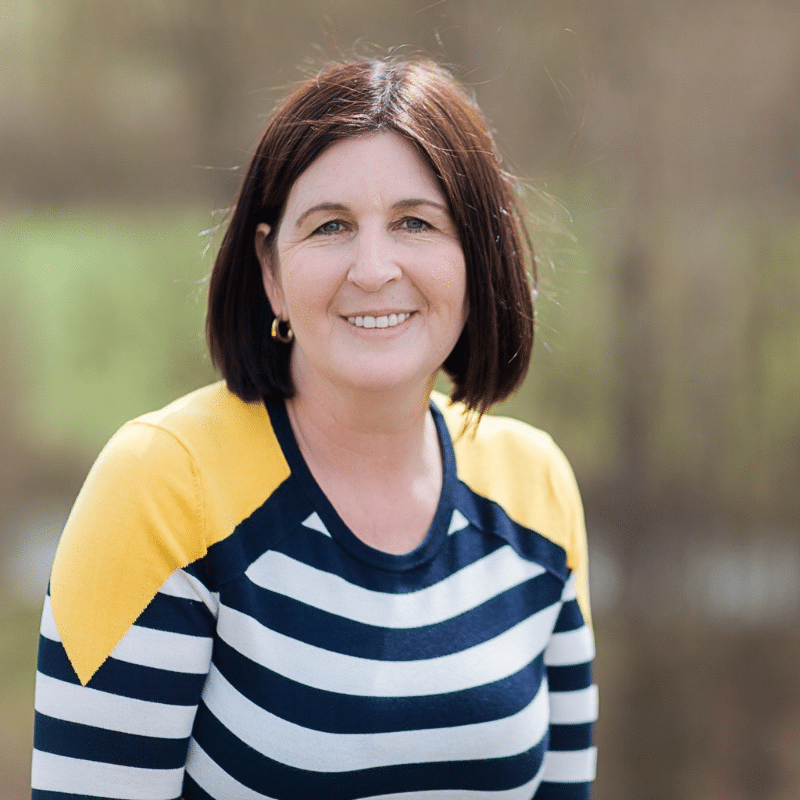
Kylie Lang is a nationally syndicated travel journalist with bylines on the Associated Press Wire & more, a medieval history writer, and the founder and lead author of Tales of the Middle Ages (talesofthemiddleages.com). She holds a BA (Honours) in History from the University of Kent and is a member of the British Guild of Travel Writers.