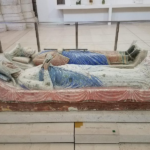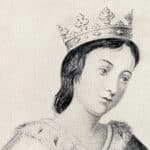
Listen, if you think medieval queens just sat around embroidering and producing heirs, let me introduce you to Eleanor of Aquitaine. By the time I finished researching her life, and I’m one of her biggest fans, I realized this woman wasn’t just ahead of her time – she was playing 4D chess while everyone else was playing checkers.
The Ultimate Medieval Heiress
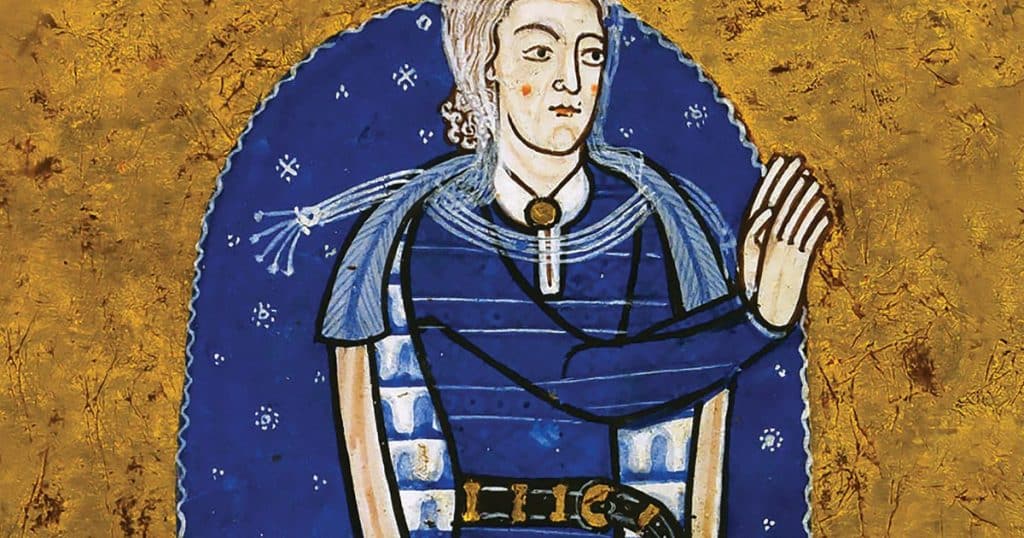
At just 15 years old, Eleanor inherited the Duchy of Aquitaine, making her the most eligible bachelorette in medieval Europe. We’re talking about a territory larger than modern France. This wasn’t just some little patch of land – it was the medieval equivalent of inheriting Amazon, Apple, and Microsoft combined.
Table of Contents
Queen of France: The Starter Marriage
Eleanor married Louis VII of France in 1137, making her Queen of France before she could legally drink (by modern standards, anyway). But this wasn’t your typical arranged marriage. She went on the Second Crusade with Louis, riding through Constantinople and Antioch like a medieval influencer.
Do you know what she didn’t do? Sit quietly and pray like a proper medieval queen. Instead, she dressed her ladies-in-waiting as Amazons and rode through Europe, leading her own cavalry unit. Medieval chroniclers lost their minds over this – imagine the Twitter storm if it happened today.
The Greatest Divorce in Medieval History

After 15 years of marriage and only two daughters (apparently a cardinal sin if you’re a medieval queen), Eleanor decided she’d had enough. She claimed her marriage to Louis was invalid due to consanguinity (they were distant cousins – everyone was back then).
But she had to marry quickly to avoid being kidnapped and forced into marriage with the highest bidder, as she was the most sought-after heiress in Europe, her vast lands making her a prime target.
Her signature move? Swiftly marrying Henry, Duke of Normandy, who was 11 years younger than her, just eight weeks after her annulment. This move secured her territories and future, and within a couple of years of their marriage, Henry became Henry II of England.
Not bad for a woman who refused to be anyone’s pawn. She went from being Queen of France to becoming Queen of England while keeping her own lands. That’s what I call medieval career advancement.
The Power Behind Two Thrones

As Queen of England, Eleanor wasn’t content just sitting on the sidelines. She co-ruled with Henry II, managing her own territories and acting as regent when he was away. She established the Court of Love in Poitiers, turning it into the medieval equivalent of a Renaissance salon.
She gave Henry eight children, including two future kings of England (Richard the Lionheart and King John – yes, that King John of Magna Carta fame). But she wasn’t just a baby-making machine – she was actively involved in their education and political training.
Hooked on the Middle Ages? Get more stories like this one in your inbox.
The Plot Twist
But then came the family drama. Henry II imprisoned Eleanor for 16 years after she supported their sons’ rebellion against him. It was shocking. One of the most powerful women in Europe, locked up in various castles while her husband did whatever he wanted.
Did that break her? Please. When Henry died in 1189, Eleanor came roaring back to power. She rode across the Pyrenees in the middle of winter to fetch her future daughter-in-law, organized Richard’s coronation, and basically ran England while he was off crusading.
The Medieval Power Broker

At age 67, when most medieval people were long dead, Eleanor crossed the Alps in winter to retrieve Richard I’s ransom when he was kidnapped. She negotiated with emperors, popes, and kings well into her 70s.
She outlived all but two of her children, ruling as regent for both Richard and John. By the time she died at the spectacular age of 82, she had shaped the political landscape of medieval Europe more than most kings.
Beyond the Myths
Here’s what makes Eleanor so fascinating: she wasn’t just powerful for a woman – she was powerful, period. She negotiated international treaties, led armies, managed vast territories, and raised future monarchs. She survived crusades and imprisonment and outlived two husbands and most of her children.
The Legacy That Changed Europe
Eleanor’s court in Poitiers wasn’t just about troubadours and poetry (though there was plenty of that). It was a center of political power and cultural innovation. She patronized art and literature, commissioned works that would influence European culture for centuries, and established a tradition of strong queenship that her daughters and granddaughters would continue.
The Cultural Revolution She Started
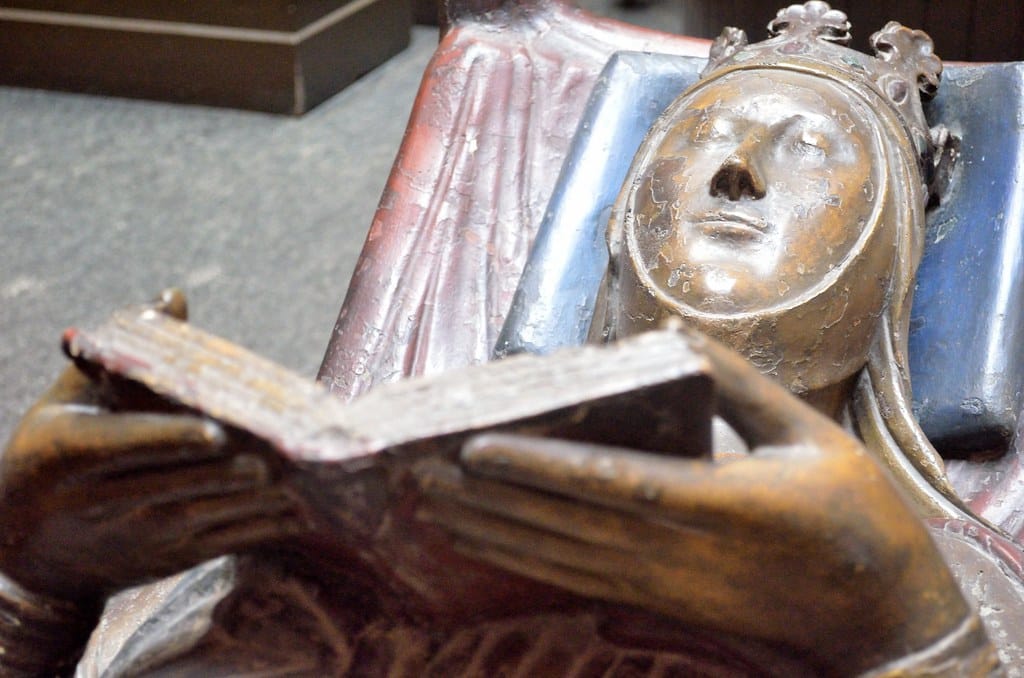
Eleanor’s Court of Love in Poitiers revolutionized medieval culture in ways we still see today. The troubadours she patronized didn’t just sing pretty songs – they created the concept of courtly love that would shape European literature for centuries. Under her patronage, the Romance language of Poitou became a sophisticated literary medium, influencing everything from Chaucer to modern romance novels.
The Dynasty Builder
Eleanor’s political influence went far beyond her lifetime through her children. Her daughter, Marie of Champagne, became one of medieval Europe’s most important literary patrons. Another daughter, Eleanor of Castile, shaped Spanish politics for a generation. Through strategic marriages and careful political training, she created a network of power that spanned from Scotland to Sicily.
The Military Strategist
While medieval chroniclers focused on her scandalous crusading outfit, they overlooked her actual military accomplishments. She fortified key cities in Aquitaine, modernized castle defenses, and understood siege warfare better than most male commanders of her time. The elaborate system of castle building she implemented in Poitou protected the region for generations.
The Economic Innovator

Eleanor wasn’t just about politics and culture. She revolutionized medieval trade by establishing new trade routes through Aquitaine and implementing standardized tolls and customs. The port of La Rochelle became a major commercial center under her rule. She understood that economic power was just as important as military might.
Why Eleanor Still Matters
In an age when women were supposed to be silent partners in power, Eleanor rewrote the rules. She wasn’t just surviving in a man’s world – she was thriving and reshaping it. She proved that political skill knows no gender, and that true power comes from intelligence, determination, and knowing when to play the long game.
Next time someone tells you women in the Middle Ages were powerless, remind them about Eleanor of Aquitaine – the queen who ruled two kingdoms, led crusades, survived imprisonment, and lived to tell the tale.
Love a good medieval story?
Join our readers and get tales of kings, queens, castles and ordinary medieval lives straight to your inbox.

Kylie Lang is a nationally syndicated travel journalist with bylines on the Associated Press Wire & more, a medieval history writer, and the founder and lead author of Tales of the Middle Ages (talesofthemiddleages.com). She holds a BA (Honours) in History from the University of Kent and is a member of the British Guild of Travel Writers.