Ever wonder about dentistry in the Middle Ages, and how people kept their teeth clean? The short answer is they didn’t, at least not in any way we’d recognize today. Toothpaste as we know it didn’t exist, and dental hygiene was more about superstition and survival than minty freshness.

People still cared about their teeth, though. Rotting teeth hurt, smelled, and sometimes killed you through infection, so people got creative and often downright gross. Doing the research for this made me promise to myself never to moan about going to the dentist again!
Table of Contents
Let’s look at seven medieval mouth-cleaning methods to make you grateful for your modern toothbrush.
Wait—Medieval People Did Brush Their Teeth?
It’s easy to assume people in the Middle Ages didn’t care much about hygiene, but that’s not quite true. They may not have had peppermint toothpaste or sonic toothbrushes, but daily grooming, teeth included, was very much a thing. People bathed, brushed their hair, did their laundry, and even had basic dental routines that might surprise you.
In fact, brushing teeth first took off in the medieval Eastern world. They used a natural stick called a miswak, which worked a bit like a twiggy toothbrush. That idea made its way west, where people across Europe embraced cleaner habits.
Of course, there were exceptions. Some monks skipped teeth cleaning as part of their vow to live without life’s “luxuries.” But for most men, women, and children, brushing was part of the daily routine, done with a cloth, a leaf, their fingers, or a trusty twig. No minty foam, but still better than nothing.
The Vikings were already big on personal hygiene long before the trend took hold in towns and cities. They cleaned their teeth, combed their hair, and kept up appearances. Interestingly, in medieval society, dental care and hair care often came under the same job role. Barbers didn’t just cut hair. They also pulled rotten teeth and stitched wounds.
And forget what you’ve heard about sugar being a Renaissance arrival. It actually showed up in England as early as 1069, brought through trade routes during the Crusades. That said, most peasants weren’t snacking on sweets. Their diets were full of hard bread and rough vegetables, which naturally filed their teeth down over time.
By the later Middle Ages, people were freshening their breath with herbal lozenges and even chewing leaves. The Tudors took it up a notch with perfumed handkerchiefs and more refined methods. Sure, Queen Elizabeth I famously had awful toothaches—but she was the exception, not the rule. Her aunt, Mary Tudor-Brandon, was found with a full set of decent teeth when her remains were disturbed in 1784. Other skeletons from the same period show similar dental health.
7 Medieval Toothpaste Alternatives
Yes, medieval people cleaned their teeth. But the ways they did it? That’s where things get interesting… and a bit gross.
Rubbing Teeth With Old Rags and Salt
One option before the modern toothbrush was an old cloth and a handful of salt. They’d wrap a scrap of fabric around their finger, dip it in coarse salt or fireplace ash, and start scrubbing. The salt acted as an abrasive to scrape off food bits and surface grime.
Ash was sometimes used instead, especially from aromatic woods like hazel or rosemary, which added a bit of flavor—and maybe even a whiff of freshness.
But hygiene standards? Not quite what we’re used to. Those old cloths were rarely washed, and sharing them wasn’t out of the question. The idea of germs didn’t exist yet. And if your gums bled from all that rough scrubbing? You probably just rinsed with wine and hoped for the best.
Fun fact: Salt and ashes stayed popular in tooth-cleaning routines well into the 18th century.
Chewing Sticks and Twigs
Before toothbrushes came along, people reached for what was around them. Twigs and small sticks were a go-to for cleaning teeth across much of the medieval world. It sounds primitive, but it worked surprisingly well.
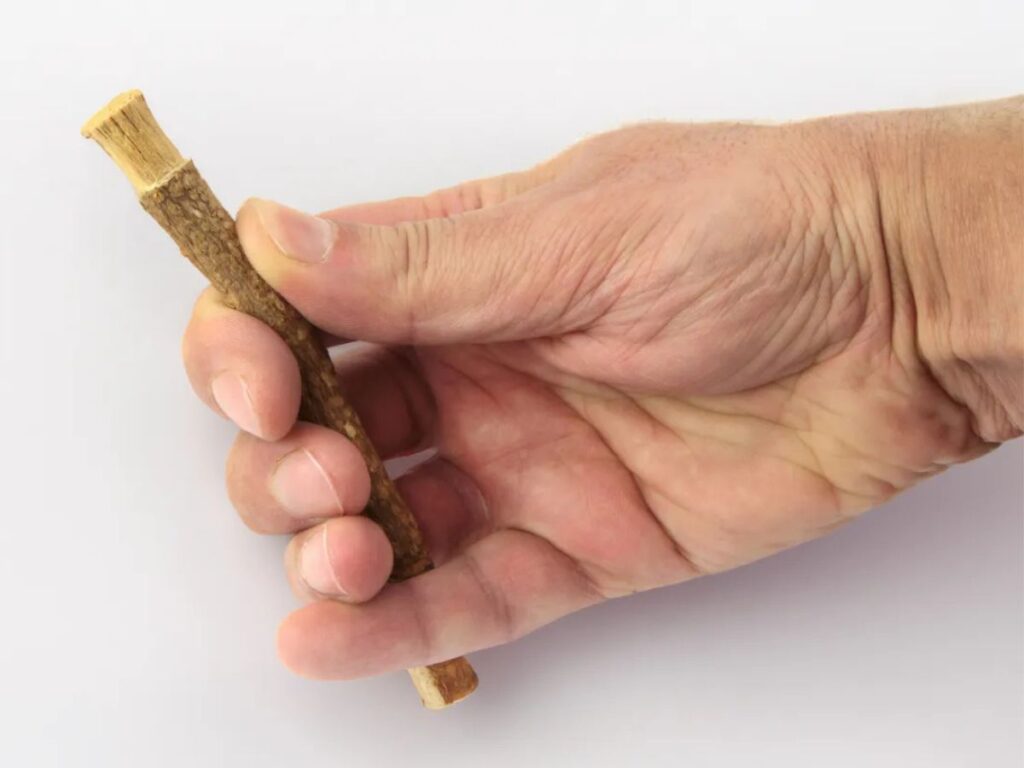
Hazel, birch, and sometimes even fruitwood were popular choices. People would chew one end until it frayed, then use that fibrous tip to scrub their teeth, removing food bits and giving the mouth a good scrub. Depending on the tree, some sticks even had a bit of natural antibacterial benefit.
When the twig wore down or got too soggy, you’d flip it around and chew the other end, or just toss it and find a new one. Nature’s version of oral care, bark and all.
Mouthwashes Made of Urine
Yes, you read that right. In the Middle Ages, some people rinsed their mouths with urine. It was a common practice, especially among those who believed in the medical wisdom of the time.
Here’s the thinking behind it: urine, when left to sit and age, produces ammonia. And ammonia is a natural cleaning agent. So while it sounds revolting to us now, back then it was considered a clever, if pungent, way to keep teeth white and the mouth “fresh.”
Even Roman texts recommended it, and those ideas lingered well into the medieval period. Barbers and surgeons may have used it as a rinse and disinfectant. It wasn’t just about vanity. Rotten teeth could turn deadly, so people were willing to try just about anything.
Still, it’s one medieval method we can all be thankful didn’t stand the test of time.
Boiling Dog’s Teeth in Wine
Of all the medieval dental remedies, this one might just win the prize for most bizarre. If you had a bad toothache, one suggested cure was to boil a dog’s teeth in wine, drink the concoction, or use it as a rinse. Why dog teeth? No one really knows.
The logic behind it was more symbolic than scientific. Dogs were seen as loyal and protective, maybe the belief was that those qualities would somehow transfer and chase away the pain. Or maybe someone just tried it once and claimed it worked. Either way, it ended up in several medieval medical texts, so it wasn’t a one-off.
Some instructions included specific prayers to be said while boiling the teeth. Others involved moon phases. One thing’s for sure: desperate times called for desperate (and slightly disturbing) measures.
Crushed Charcoal or Burnt Bread
Charcoal was also a medieval method of keeping teeth clean. People crushed it into a fine powder and rubbed it along their teeth with their fingers or a cloth. If they didn’t have charcoal, they burned bread until it was black, ground it up, and used that instead.
It worked because of the abrasiveness. The rough texture helped scrape away plaque and food buildup. In some cases, herbs were added to the mix to make it smell better or offer some sort of healing property.
The downside? Regular use could wear away the enamel, leaving teeth more sensitive and vulnerable to decay. But compared to doing nothing or rinsing with urine, it was probably one of the more effective methods of the time.

Herbs and Spices as Tooth Powder
Not everything in medieval dental care was stomach-turning. People dried herbs like sage, rosemary, mint, and cloves, then ground them into fine powders. These were used to freshen breath and gently clean the teeth. Some even added a pinch of salt or charcoal to boost the scrubbing power. The powders smelled pleasant and offered a small degree of antibacterial benefit.
It didn’t do much to prevent decay, but it left the mouth feeling fresher, and in a time without chewing gum or mints, that was worth something.

Tooth-Pulling in the Market Square
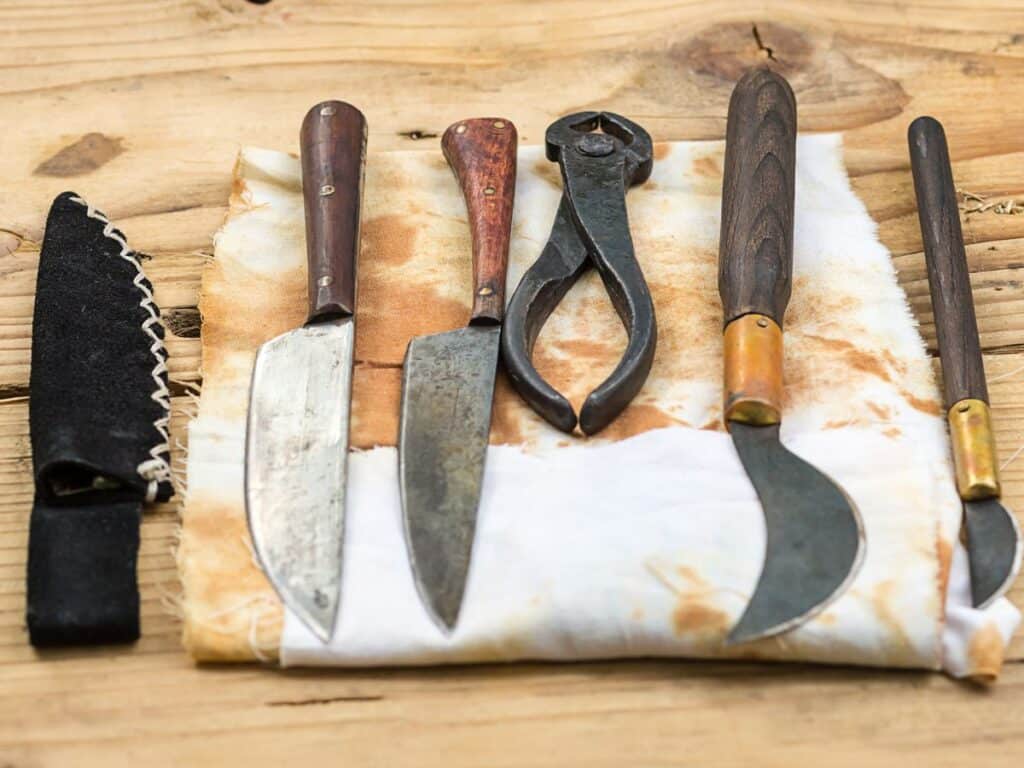
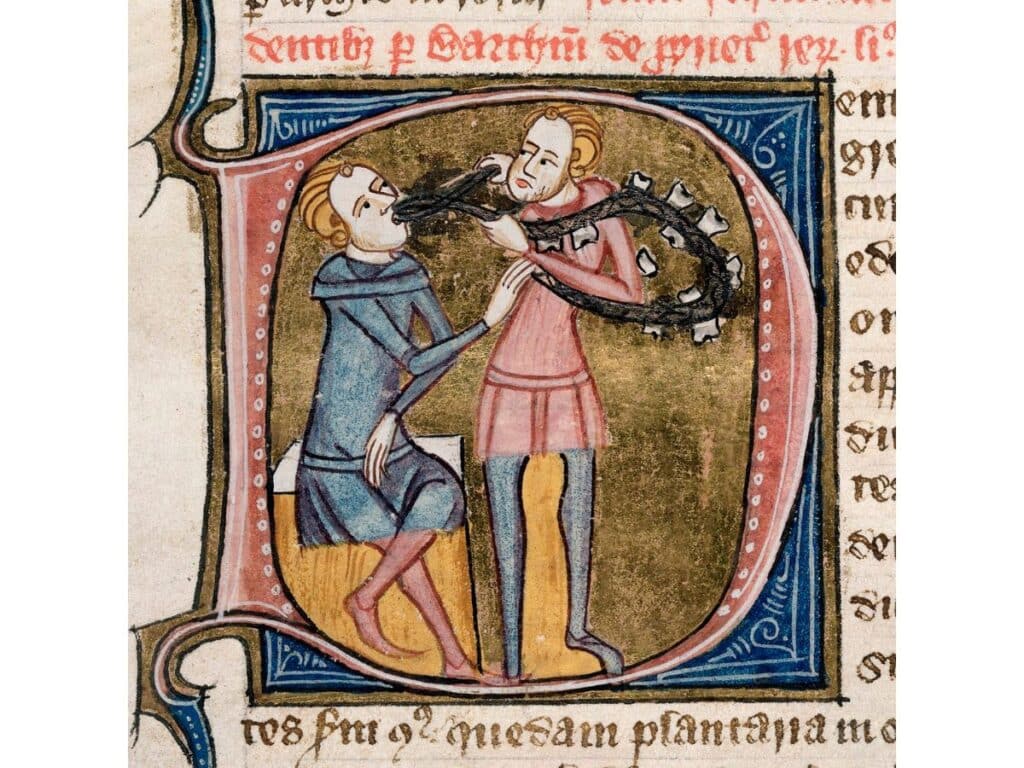
When all else failed, there was always the tooth-puller. These weren’t dentists. They were usually barbers, blacksmiths, or traveling performers with a knack for showmanship and a very firm grip.
Tooth-pulling often happened right in the middle of the town square. It was loud, messy, and public. It makes you realize that sitting in the dentist chair today and dealing with anesthetic and the slightly embarrassing dribbling down the chin that usually accompanies it, isn’t so bad after all.
The tools were basic: iron tongs, pliers, or anything strong enough to do the job. There was no pain relief, no sterilization. You just grit your teeth, if you still had them, and hope it comes out cleanly. Or get rip roaringly drunk to numb the pain.
Some pullers wore flamboyant outfits to attract a crowd, turning extractions into a kind of grotesque entertainment. Others offered herbal tonics or wine to dull the pain (or at least distract you from it). And yes, infections were common, but people still lined up. A rotten tooth was agony; yanking it out was the only guaranteed relief.
Medieval Toothpaste Recipes
While some medieval dental habits were downright grim, others were surprisingly sophisticated. Here are three toothpaste recipes found in medieval records:
Pepper and Salt Powder (Gilbertus Anglicus)
Gilbertus Anglicus, a 13th-century English physician, recommended ground pepper and salt as a simple yet potent mixture. After meals, individuals would rub this blend onto their teeth and gums using a cloth. Gilbertus even suggested chewing and swallowing the powder, perhaps a medieval way to clear the sinuses.
Walnut Shell Rub (The Trotula)
For those battling discolored teeth, The Trotula, a renowned medieval medical text, offered a remedy: take walnut shells (after removing the green inner rind), and rub them on the teeth three times daily. Afterward, rinse the mouth with warm wine, optionally mixed with salt. This method aimed to whiten teeth and freshen breath, though the taste might have been an acquired one.
Luxury Spice Blend (The Trotula)
For the affluent seeking both dental cleanliness and a status symbol, The Trotula provided an elaborate recipe: grind equal parts of cinnamon, clove, spikenard, mastic, frankincense, grain, wormwood, crab foot, date pits, and olives into a fine powder. This aromatic blend was then used to rub the teeth, leaving a distinctive scent that signaled wealth and sophistication.
Be Glad You Live Now
So, the next time you grumble about booking a dentist appointment or feel annoyed at the price of toothpaste, just remember: at least no one’s boiling dog teeth in your wine or yanking molars out in front of a cheering crowd.
Medieval people were surprisingly inventive. They cared about personal hygiene and did what they could with what they had. But let’s be honest, most of these methods are better left in the history books than brought back into fashion.
Today, we’ve got fluoride, floss, and actual dental professionals who don’t double as battlefield surgeons. That’s progress. And maybe, just maybe, it makes brushing twice a day feel more like a privilege than a chore.


Kylie Lang is a nationally syndicated travel journalist with bylines on the Associated Press Wire & more, a medieval history writer, and the founder and lead author of Tales of the Middle Ages (talesofthemiddleages.com). She holds a BA (Honours) in History from the University of Kent and is a member of the British Guild of Travel Writers.