
If you’ve ever sat there on a Sunday night, dreading the thought of going to work on Monday morning, you want to thank your lucky stars you didn’t live in the Middle Ages. Life in medieval times was tough, filthy, and full of surprises, and the jobs were no exception. Knights and blacksmiths, you can understand, possibly even get behind, but the rest?
These medieval jobs won’t show up in any modern career guide. From scrubbing royal bottoms to wading knee-deep in other people’s waste, some of these roles sound made up. But they weren’t. They were very real, and in some cases, surprisingly respected.
Table of Contents
So if you’ve ever complained about your boss or your job being boring and not challenging enough, just be glad you weren’t doing one of these. Come with me on a quick trip through the stranger side of history and meet nine people who actually got paid to do this stuff.

Gong Farmer
Let’s start with a job that really stinks. Literally.
The gong farmer was the poor soul responsible for emptying out the cesspits and privies of medieval towns. Not the chamber pot in your bedroom, but the full-on underground pit where all the waste ended up. It was backbreaking work, done by candlelight, often in the middle of the night when the smell might be slightly less overpowering.
They’d climb down into the muck with a shovel and a bucket, scoop up the human waste, and cart it off outside the town walls. And yes, sometimes they slipped. However, the job came with a pretty decent pay packet because nobody wanted the job.
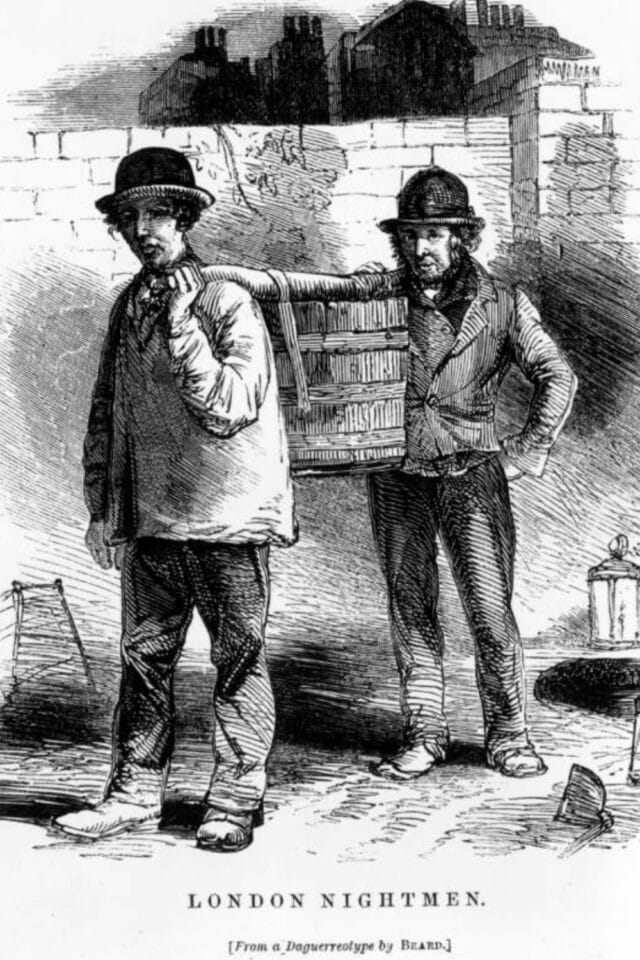
So, for those who could stomach it earned decent money for the time. Still, they were social outcasts. People didn’t exactly queue up to sit beside a gong farmer at the tavern. So next time you’re grumbling about cleaning the bathroom, just remember, at least you’re not hauling it away by hand.
Fuller (Cloth Washer)
If you think doing laundry is a chore now, wait till you hear how they did it in the Middle Ages.
Fullers were responsible for cleaning and thickening wool cloth before it could be turned into clothing. Sounds simple enough, until you learn the main ingredient they used wasn’t soap. It was stale urine. Human urine. Collected in buckets from neighbors, inns, and probably anyone willing to contribute.

Fullers stood knee-deep in this pungent mix and soaked the cloth in it before stomping on it, sometimes for hours. Their job was to strip grease from the wool and bind the fibers together. It was noisy, smelly, and exhausting, and the smell never quite left them.
Fulling houses were often pushed to the edges of town, mostly because no one wanted to live next to the stench. Still, without fullers, no one had warm clothes. Just don’t ask how your tunic got so soft.
Rat Catcher
No one likes rats, but in the Middle Ages, they were a plague on two legs. Enter the rat catcher. Armed with traps, dogs, ferrets, or just a good pair of gloves and a high tolerance for filth, this was the person you called when the scratching inside the walls got out of hand.

Their job was to hunt down rats in streets, barns, sewers, and even inside people’s homes. And they didn’t stop at catching them. Sometimes they’d show off their haul, parading sacks of dead rats through town to prove they’d earned their pay.
It was dangerous, disgusting work. Bites, scratches, and infections were common. But rat catchers played a vital role in keeping disease at bay, even if no one really understood how the plague worked. They were part pest control and part social pariah.
Hooked on the Middle Ages? Get more stories like this one in your inbox.
Executioner
You didn’t grow up dreaming of becoming an executioner. But in medieval Europe, someone had to swing the axe and carry out the law.

It was a role with a strange mix of fear, respect, and total social isolation. Executioners carried out hangings, beheadings, and other brutal sentences handed down by the courts. But that wasn’t all. In many towns, they doubled as butchers, animal disposal workers, and even amateur medics. If something needed cutting, chances are they were called in.
People kept their distance from executioners, yet everyone knew who they were. Families often passed the job down through generations, partly because no one else wanted it. Some wore masks. Some didn’t bother. Either way, you didn’t mess with them. Another job that paid well due to not many takers.
Barber-Surgeon
Need a haircut? How about a tooth pulled? Or maybe a leg amputated? In the Middle Ages, you went to the same guy for all three.
The barber-surgeon was your one-stop shop for grooming and battlefield surgery. They shaved beards, trimmed hair, drained abscesses, and sliced open wounds, often with the same tools. Anesthetics didn’t exist, sterilization wasn’t a thing, and patients usually bit down on leather straps while the barber got to work. Or a tot of whiskey or something similar did the trick, too.

They were the go-to for bloodletting, too. The red and white striped barber pole? That’s a leftover from their bloody trade. Red for blood, white for bandages. Physicians of the time thought surgery was beneath them, so barbers filled the gap, treating everyone from peasants to knights.
Cup Bearer (Royal Taster)
Being close to a king sounds like a pretty good gig, unless you’re the one sipping his wine first to make sure it’s not poisoned. That was the job of the cupbearer. They stood beside nobles and royalty at every meal, pouring drinks and tasting them before a single drop touched royal lips.
It wasn’t just for show. Poison was a real threat, especially in court politics, and cupbearers were the first line of defense. If something was off, they were the ones to drop dead first.
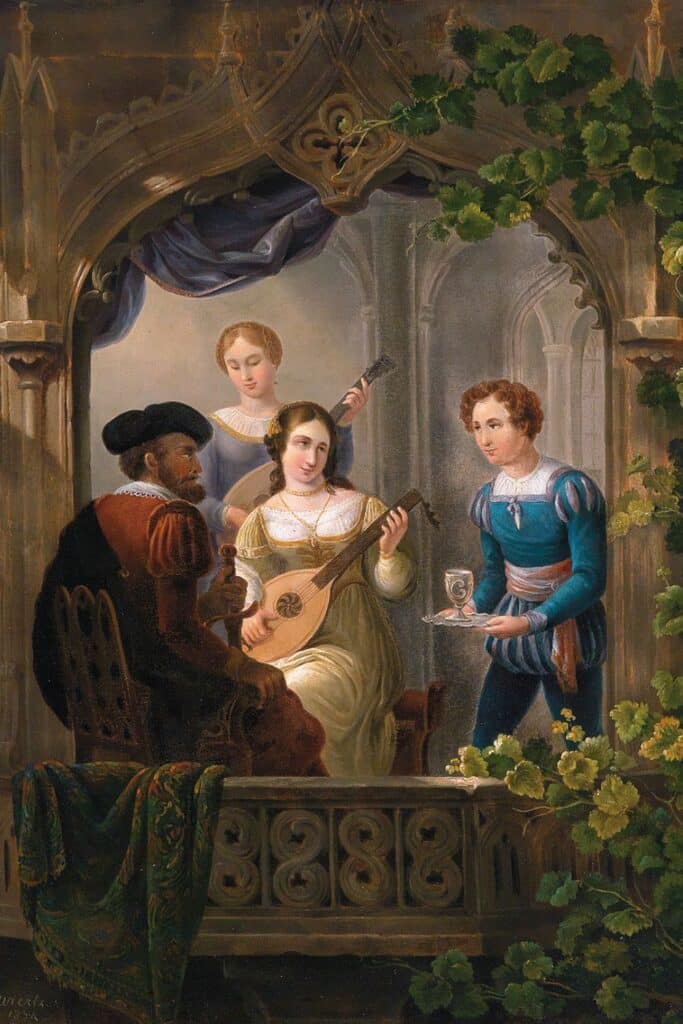
But here’s the twist. Despite the risk, this was a position of serious trust. You had the king’s ear. You knew what went on behind closed doors. Some cupbearers rose to power because they were always there, quiet and watchful, while everyone else jostled for attention.
You just had to stay alive long enough to enjoy it.
Groom of the Stool (Royal Loo Attendant)
Of all the jobs at court, this one might be the most personal. The Groom of the Stool was the king’s bathroom attendant. And yes, it’s exactly what it sounds like. His main duty was to help the king go to the toilet. That meant preparing the stool, handing over water and cloths, and sometimes even cleaning up afterward.
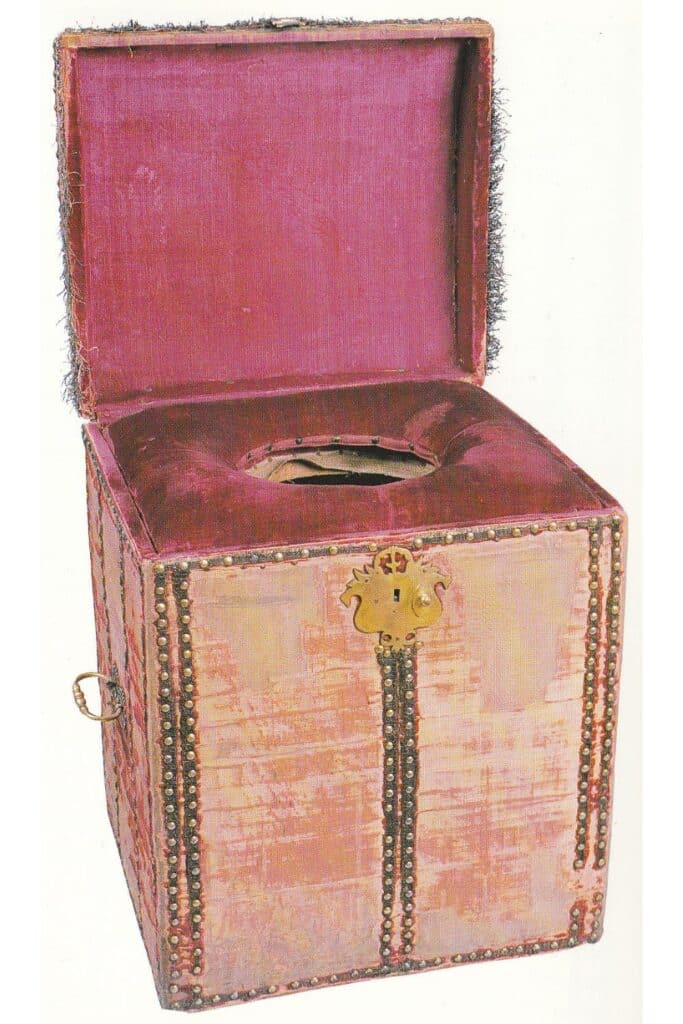
For Henry VIII, the role came with a private box lined with velvet and a detailed record of his… habits. But here’s the strange part. This wasn’t a lowly servant job. It was a position of trust, often given to noblemen. Being that close to the king, in such an unguarded moment, meant you heard everything. You became a confidant, a gatekeeper, a quiet presence in the background of royal life.
It’s hard to imagine anyone fighting for a job like that today, but back then? It came with influence, gifts, and serious court access. All for a front-row seat to the royal bowel movements.
Court Jester (Fool)
They were the only ones in the room allowed to make fun of the king and survive it. The court jester, or fool, was hired to entertain. That could mean music, juggling, dancing, or cracking jokes that cut a little too close to the truth. They wore bright motley outfits and silly hats, but don’t let that fool you. A good jester was sharp, quick, and knew exactly how far to push. Their job was to speak the unspeakable, wrapped up in humor.

Some were natural performers. Others were chosen for physical quirks or sharp tongues. But either way, they were part of the household, traveling with noble families and even sitting in on serious discussions, if only to lighten the mood or poke fun at the pomp.
Jesters danced right along the edge in a world where saying the wrong thing could land you in the stocks. And the best ones never fell off.
Whipping Boy (Royal Buddy)
The whipping boy was a real role in some royal households. Because a prince was considered too important to punish physically, someone else had to take the lashes when he misbehaved. The idea was that if the prince saw his friend punished, he’d feel guilty enough to behave.
It was a bizarre mix of privilege and punishment. You lived in the palace, got a top-notch education, and spent your days with royalty, but you also risked getting thrashed any time your royal pal had a tantrum or refused his lessons. A strange way to build character, but in the twisted world of medieval discipline, it made perfect sense.
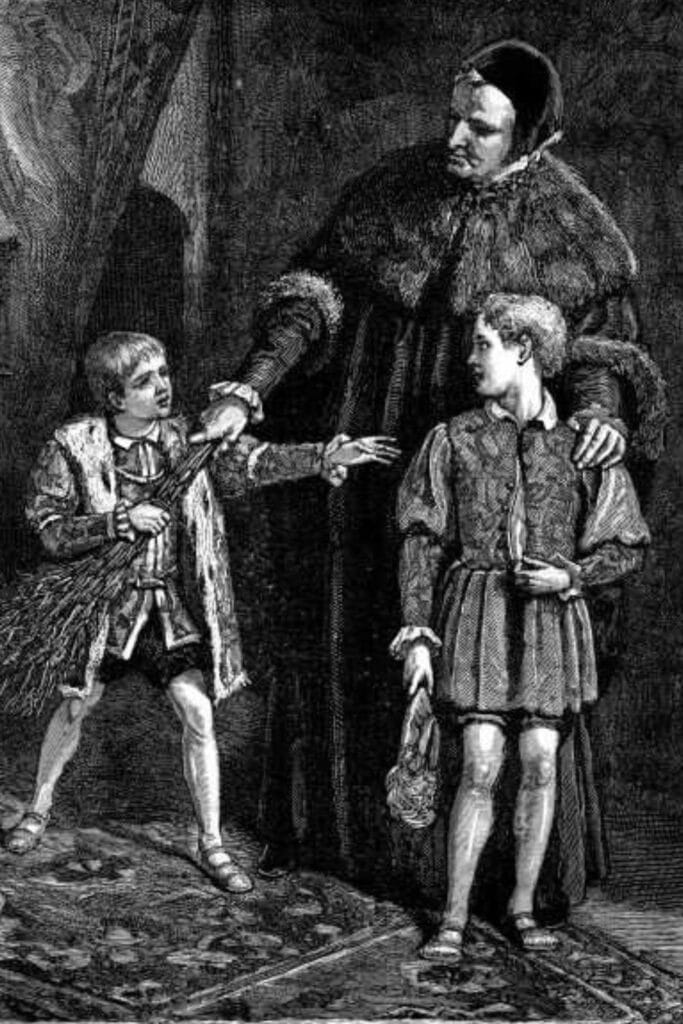
An old proverb captures the essence of this practice: “To beat a dog before a lion”—punishing the innocent in front of the powerful to instill a lesson. It adds a whole new meaning to the phrase my mum used to use when we were little: “Don’t blame the whipping boy.” Now I understand what it means.
What These Jobs Say About Medieval Life
It’s easy to laugh at how bizarre some of these roles sound now, but they were part of the fabric of daily life. Someone had to do it from the Groom of the Stool to the Gong Farmer. What stands out most is the trust involved. The man scrubbing the king’s backside or sipping his wine had to be loyal. The boy getting whipped for the prince’s tantrums was supposed to teach empathy.
So the next time your inbox is overflowing or your boss sends another “quick favor,” be happy you’re not knee-deep in someone else’s cesspit.

Love a good medieval story?
Join our readers and get tales of kings, queens, castles and ordinary medieval lives straight to your inbox.

Kylie Lang is a nationally syndicated travel journalist with bylines on the Associated Press Wire & more, a medieval history writer, and the founder and lead author of Tales of the Middle Ages (talesofthemiddleages.com). She holds a BA (Honours) in History from the University of Kent and is a member of the British Guild of Travel Writers.
Related posts:
 What Life Was Really Like as the Groom of the Stool, the Most Intimate Job at the Tudor Court
 How Medieval Executioners Got Their Jobs (and Kept Them)
 The Most Terrifying Ways to Die in the Middle Ages and the People Put To Death
 Medieval Women Weren’t Damsels in Distress; They Were Defenders, Strategists & Lifesavers