
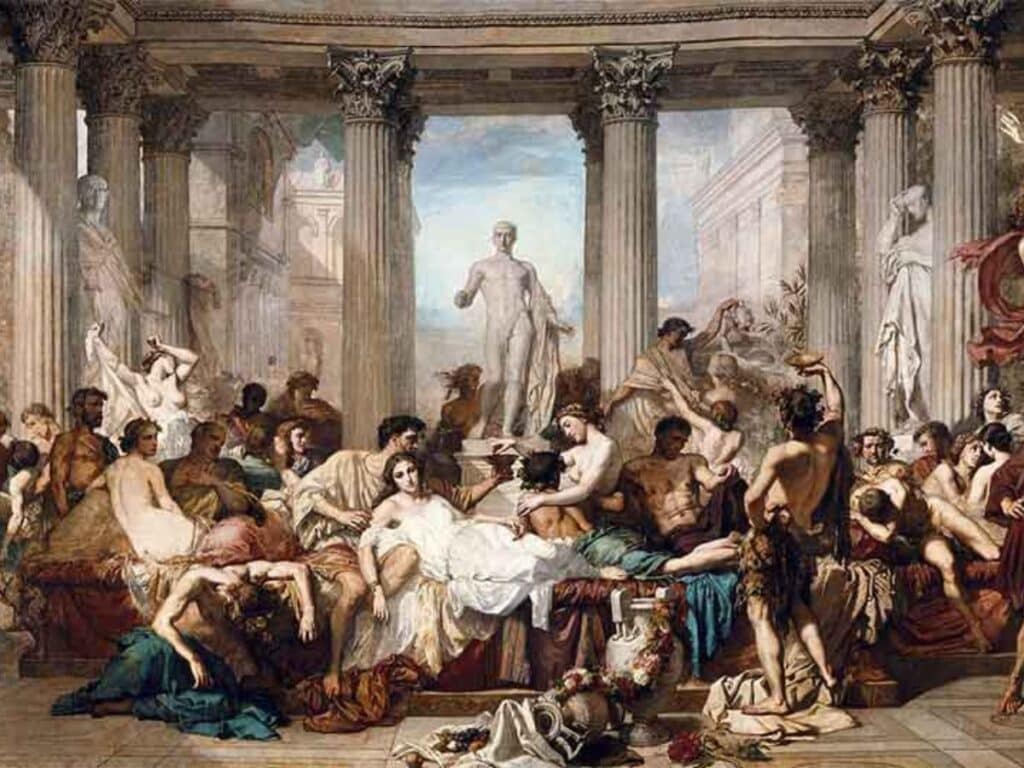
Behind the cloisters and castle gates, people in the Middle Ages were scheming, seducing, and doing things that could fill an entire season of reality TV. Power made some reckless. Lust made others stupid. Greed? That was practically a sport.
Scandal was everywhere. Popes ran riot in Rome. Royal families tore themselves apart over affairs that changed history. Monks and nuns who took vows of chastity did things that would make Jesus blush. Some scandals ended with people dead in ditches. Others ended with someone sitting pretty on a throne they had no right to.
Table of Contents
These are stories of dead men dragged into court, of orgies in the Vatican, and of love affairs that sparked mutilation and murder. The Middle Ages might have preached piety, but under the surface, it was a game of power and pleasure, and plenty of people got burned, sometimes literally. These are just some of the scandals from the Middle Ages that will raise your eyebrows.
10 Unforgettable Scandals of the Middle Ages
As we move through these scandals, you’ll see how most of them are either related to a pope or somehow connected to the Catholic church. It’s no accident. The papacy held enormous power in the Middle Ages, and where there’s unchecked power, there’s scandal. Add wealth, politics, and vows of chastity, and you’ve got a recipe for chaos.
The Cadaver Synod
If you think modern politics is petty, you haven’t heard about the Cadaver Synod of 897. Pope Stephen VI had a serious grudge against his predecessor, Pope Formosus, and it didn’t die with the man. Nine months after Formosus was buried, Stephen ordered his body dug up. What followed was one of the strangest trials in history.
The corpse was dressed in papal robes and propped on a throne in the Lateran Palace. A deacon was assigned as Formosus’ defense lawyer, which must have been the most hopeless job ever given. The charges? Perjury and illegally moving dioceses before becoming pope.
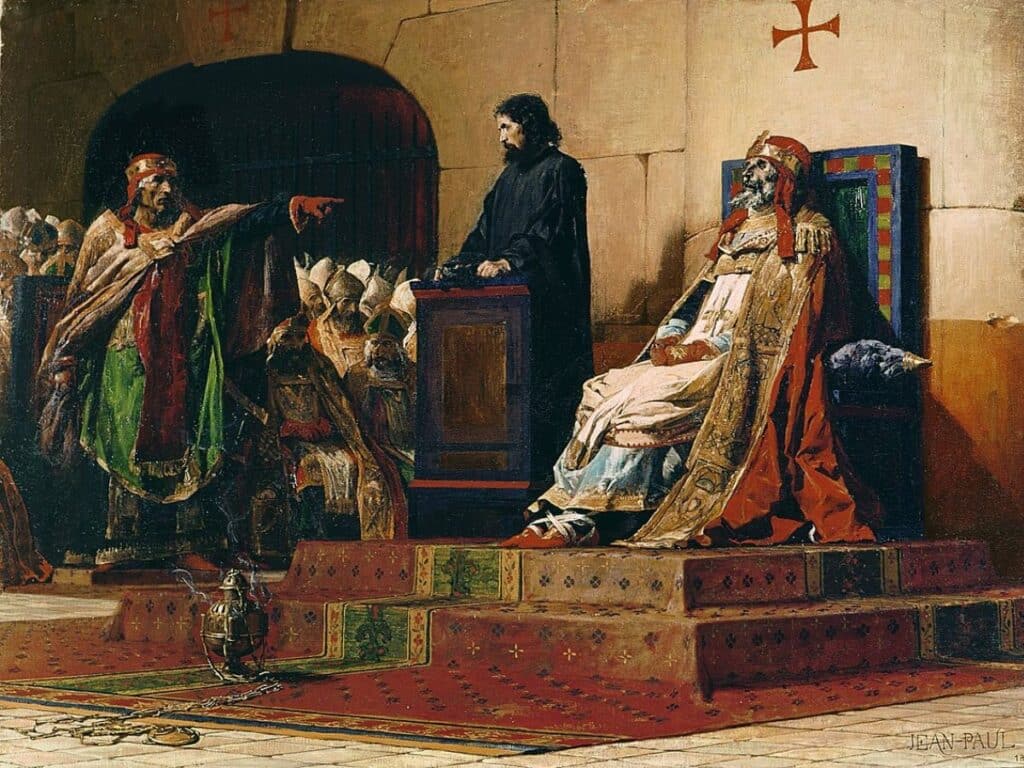
Unsurprisingly, the dead man was found guilty. His papacy was declared invalid, his blessings annulled, and the fingers he used for holy gestures were cut off. Then, as a final insult, his body was dumped in the Tiber River. The Roman public didn’t take kindly to the spectacle. Outrage spread fast. People rioted, Stephen was arrested, and a few months later, he was strangled in prison.
The Cadaver Synod became a lasting embarrassment for the Church. Later popes tried to erase its memory by restoring Formosus’ honor, but history never forgot the day a pope put a corpse on trial. It’s still one of the most surreal moments in medieval history, proof that power mixed with revenge can lead to something truly grotesque.
Pope Benedict IX
The papacy was supposed to be the pinnacle of spiritual purity, but Pope Benedict IX treated it more like a personal asset. He first became pope in 1032, not due to divine inspiration. His powerful family bought him the position when he was around 20 years old, so very young to be pope. What followed was a reign so scandalous that chroniclers described him as “a demon from hell in the disguise of a priest.”
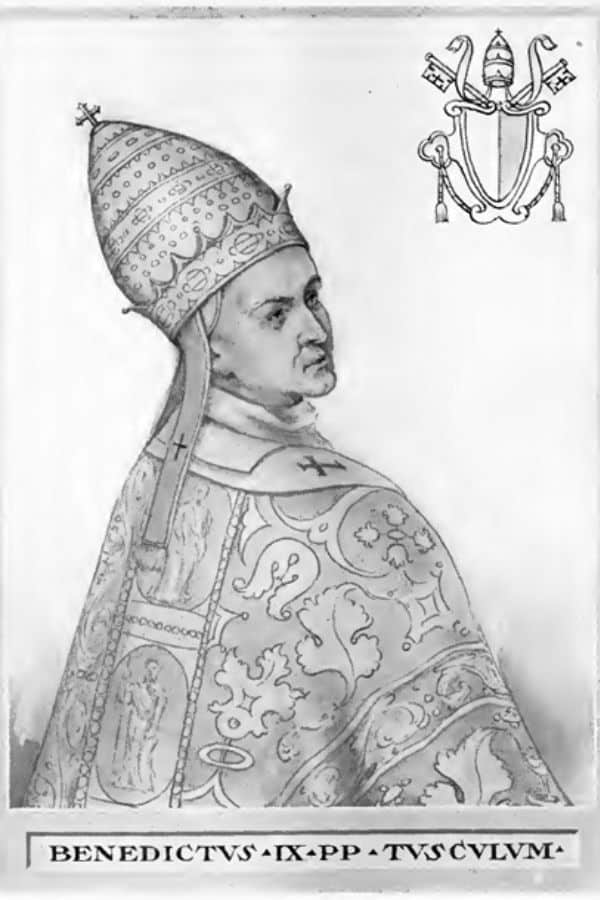
Benedict’s papacy was riddled with accusations of corruption, violence, and sexual misconduct. He was said to host orgies in the Lateran Palace, and murder wasn’t off the table either. He was forced out of office twice, only to claw his way back each time. Then came his most outrageous move. In 1045, tired of the job or maybe just wanting a quick payday, Benedict actually sold the papacy to his godfather, a priest named John Gratian, for a hefty sum of gold.
The sale caused uproar across Christendom. A pope selling the papacy like a used horse? It was a scandal that confirmed the worst fears about Rome’s corruption. Even after giving up the position, Benedict wasn’t done stirring trouble. He tried to reclaim the papal throne again, sparking chaos in the city. His behavior was so extreme that later historians ranked him among the most disgraceful popes of all time, a man who turned the highest office in the Church into his own personal hustle.
Pope John XII
When John XII became pope in 955, he was only about 18 years old and the youngest pope in history. That alone raised eyebrows, but what came next shocked even the most jaded Romans. Instead of dedicating himself to prayer and reform, John treated the papacy like a personal playground. Chronicles accuse him of turning the Lateran Palace into a den of vice. He allegedly gambled, drank heavily, and filled the place with women and young men for late-night escapades.
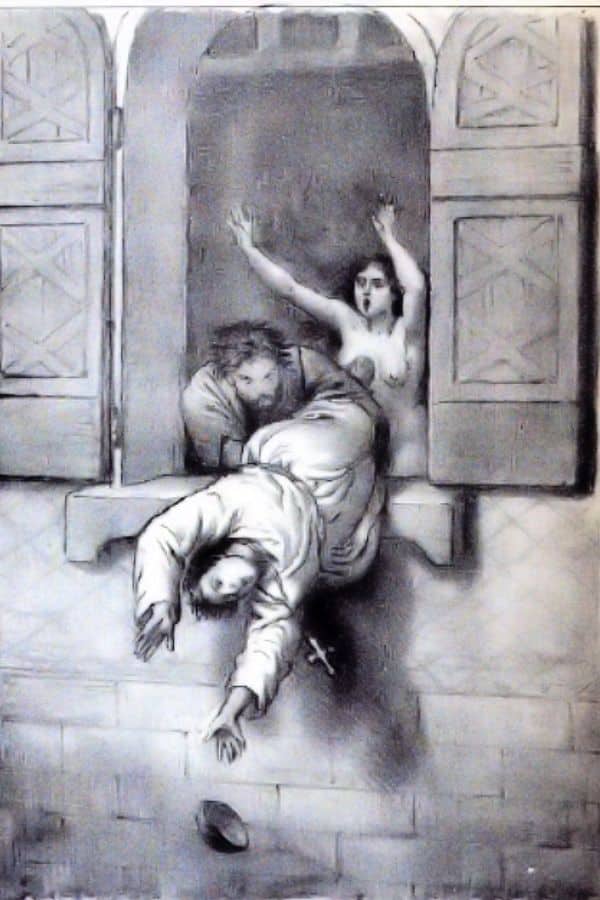
John was accused of simony, adultery, incest, and even invoking pagan gods for luck in dice games. At one point, he blinded a cardinal, murdered opponents, and toasted the devil. The list of sins sounded more like the exploits of a warlord than the head of the Catholic Church. It was bad enough that the Holy Roman Emperor Otto I had to step in. In 963, Otto convened a synod that deposed John for crimes so numerous they read like a medieval rap sheet.
John didn’t go quietly. He fled Rome, rallied supporters, and clawed his way back to power for a short time. But his downfall was as sordid as his life. In 964, he died suddenly, reportedly during an affair. Some say a jealous husband beat him to death. Others claim he fell from a window. However it happened, the teenage pope left behind a reputation so foul that later generations used his name as shorthand for corruption.
Hooked on the Middle Ages? Get more stories like this one in your inbox.
The Banquet of Chestnuts
In 1501, during the papacy of Alexander VI, Rome witnessed a party that would make any modern scandal look tame. Known as the Banquet of Chestnuts, it was hosted by Cesare Borgia, the pope’s son, inside the Vatican. Officially, it was a dinner. Unofficially, it was a night of open debauchery that left chroniclers speechless.
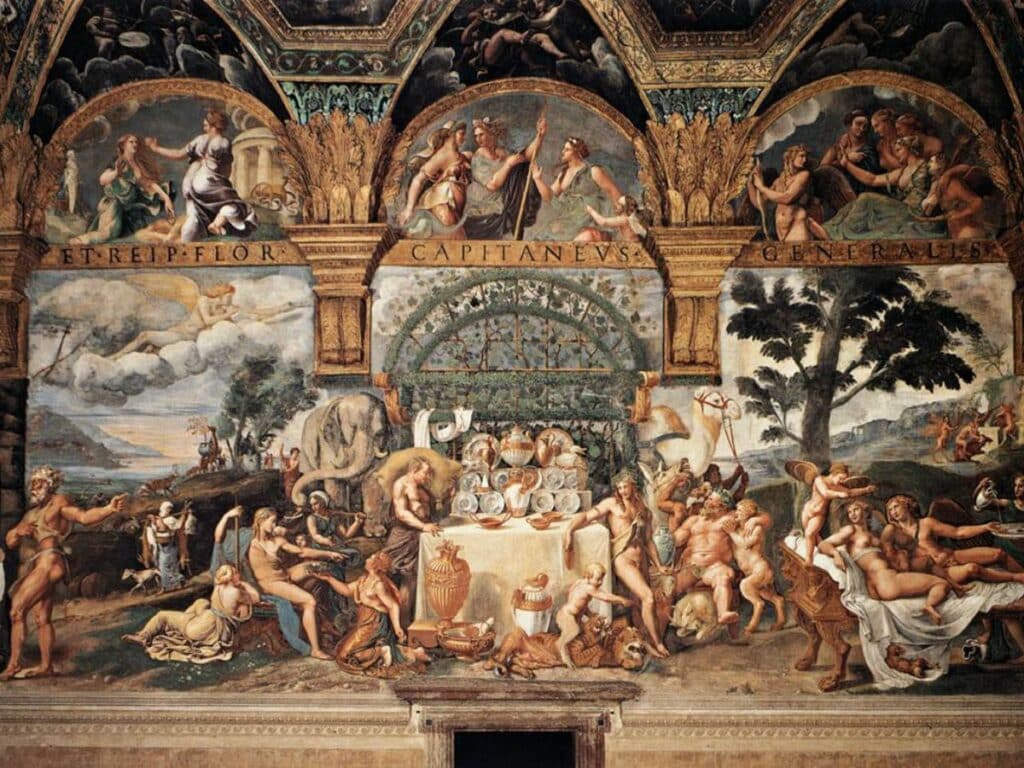
According to accounts, fifty courtesans attended the feast, and once the plates were cleared, the real entertainment began. The women stripped naked and crawled on the floor collecting chestnuts tossed around the room. Then came a contest to see who could sleep with the most men, with prizes of fine clothes and luxury items for the winners. Even by the looser moral standards of Renaissance courts, this was scandalous.
Word of the banquet spread like wildfire. Critics accused the Borgias of turning the Vatican into a brothel, and the story stuck for centuries. Whether every detail was true or embellished by enemies, it cemented the Borgias’ reputation as the most infamous family in Church history. The Banquet of Chestnuts became a symbol of excess and corruption at the very heart of power, a reminder that some sins weren’t committed in the shadows but flaunted under chandeliers.
The Tour de Nesle Affair
In 1314, King Philip IV of France faced a crisis that would tear his family apart and shake the monarchy. It began when his daughter, Isabella, Queen of England, accused her two sisters-in-law of adultery. The women were married to Philip’s sons, who were next in line for the throne. The charge was explosive. If true, it threatened the legitimacy of future kings and the stability of the Capetian dynasty.

The lovers were two knights, brothers named Philippe and Gautier d’Aunay. They were accused of meeting the princesses in secret at the Tour de Nesle, a tower in Paris. Isabella claimed she discovered the affair when she gave purses to her sisters-in-law and later saw the knights carrying them. Whether this was truth or vengeance is still debated, but Philip acted fast. The knights were arrested, tortured, and coerced into confessing under brutal conditions. Their punishment was horrific: they were castrated, flayed, and executed.
As for the princesses, their fates varied. Marguerite, wife of the future Louis X, was imprisoned and later died in captivity. Blanche was also locked away for life. The scandal weakened the monarchy and played a role in the outbreak of the Hundred Years’ War, as questions of succession grew even sharper after Philip’s sons all died without lasting male heirs. A few whispered trysts set off a chain reaction that changed the history of France and England forever.
Abelard and Heloise
Peter Abelard was a brilliant philosopher and one of the most famous teachers of the 12th century in France. Heloise was his student, intelligent and outspoken, and soon their lessons turned into something more. The two began a passionate affair that defied every rule of the time. When Heloise became pregnant, Abelard whisked her away to his family home, where she gave birth to a son they named Astrolabe.
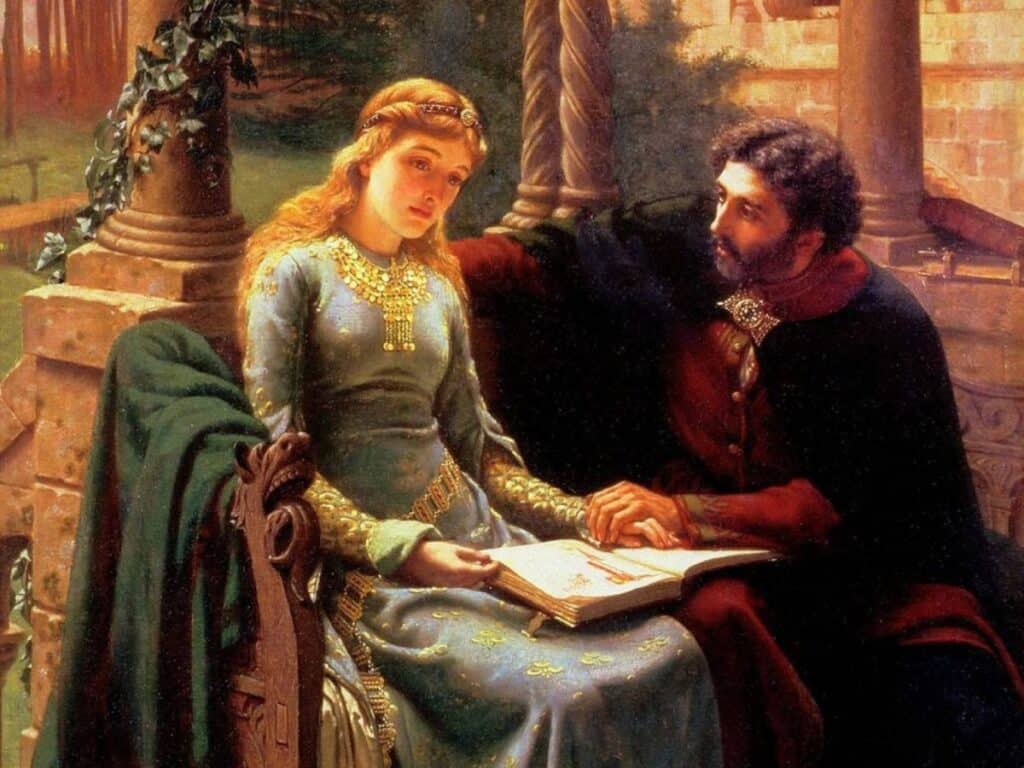
Marriage seemed like the solution, but Heloise resisted. She believed marriage would ruin Abelard’s career and argued fiercely against it. Eventually, she gave in, and they wed in secret. When the truth leaked, Heloise’s uncle, Fulbert, erupted in rage. He had trusted Abelard and now felt betrayed. What happened next was one of the most brutal acts of revenge in medieval history.
One night, men broke into Abelard’s chamber and castrated him. The brilliant scholar who once held the intellectual world in his grip was left humiliated and broken. Abelard became a monk, and Heloise entered a convent, though their love never completely faded. Their letters, written years later, are some of the most famous in medieval literature, full of longing, bitterness, and regret. A scandal that began in passion ended in blood, and its echoes still stir fascination today.
Pope Julius III and Innocenzo
When Cardinal Giovanni Maria Ciocchi del Monte became Pope Julius III in 1550, his first major appointment raised more than a few eyebrows. He elevated a teenager named Innocenzo Ciocchi del Monte to the rank of cardinal. The boy was barely literate and had no experience in church affairs. Rumor had it he was discovered as a street urchin and taken in by the pope years earlier. That alone set tongues wagging, but it was the nature of their relationship that caused a scandal that echoed across Europe.

Contemporaries whispered that the pope’s fondness for Innocenzo went far beyond paternal care. The boy was given titles, wealth, and influence far beyond his abilities. He became a permanent presence at the papal court, fueling accusations of nepotism and worse. Diplomats and ambassadors wrote letters dripping with insinuations, claiming the pope was blinded by lust. Even the cynical Roman elite, used to clerical corruption, found this hard to ignore.
The fallout was ugly. Julius faced political backlash, and his reputation never recovered. As for Innocenzo, his career after Julius’s death was a disaster. He committed multiple crimes, including murder, and spent time in prison. What began as one of the most talked-about relationships in the Renaissance papacy ended in disgrace, a symbol of how personal indulgence could stain the highest office in Christendom.
The Nun of Watton
In the quiet village of Watton, England, a scandal erupted in the 12th century that stunned the religious world. One young nun broke every rule at the Gilbertine priory. She had an affair with a visiting lay brother and soon found herself pregnant. For a medieval convent, this was catastrophic. Her fellow nuns reacted with fury, and their idea of justice was anything but merciful.
According to the chronicler Aelred of Rievaulx, the nuns restrained the girl and forced her to undergo a terrifying ordeal. They made her hold red-hot iron to prove her innocence, but when she failed, the punishment turned savage. They allegedly killed her lover and made her watch as they mutilated him. Then they performed a gruesome ritual, shoving his severed genitals into her mouth. It was a shocking blend of violence and twisted morality that blurred the line between justice and vengeance.
This scandal became infamous because it revealed the dark side of religious life. Monasteries and convents were not immune to temptation, and when vows were broken, the consequences could be brutal. The story of Watton was preserved as a warning, but it also exposed a truth the Church preferred to hide: even behind stone walls and holy vows, human impulses ruled.
The Orléans Heresy
In 1022, the city of Orléans became the stage for one of the earliest and most shocking crackdowns on heresy in medieval Europe. It began quietly, with whispers about a group of canons, respected churchmen, who were accused of spreading dangerous ideas. They allegedly denied core Christian beliefs, rejected sacraments, and practiced secret rituals. Rumors even claimed orgies and dark ceremonies, though those details likely came from hostile chroniclers eager to paint them as monsters.
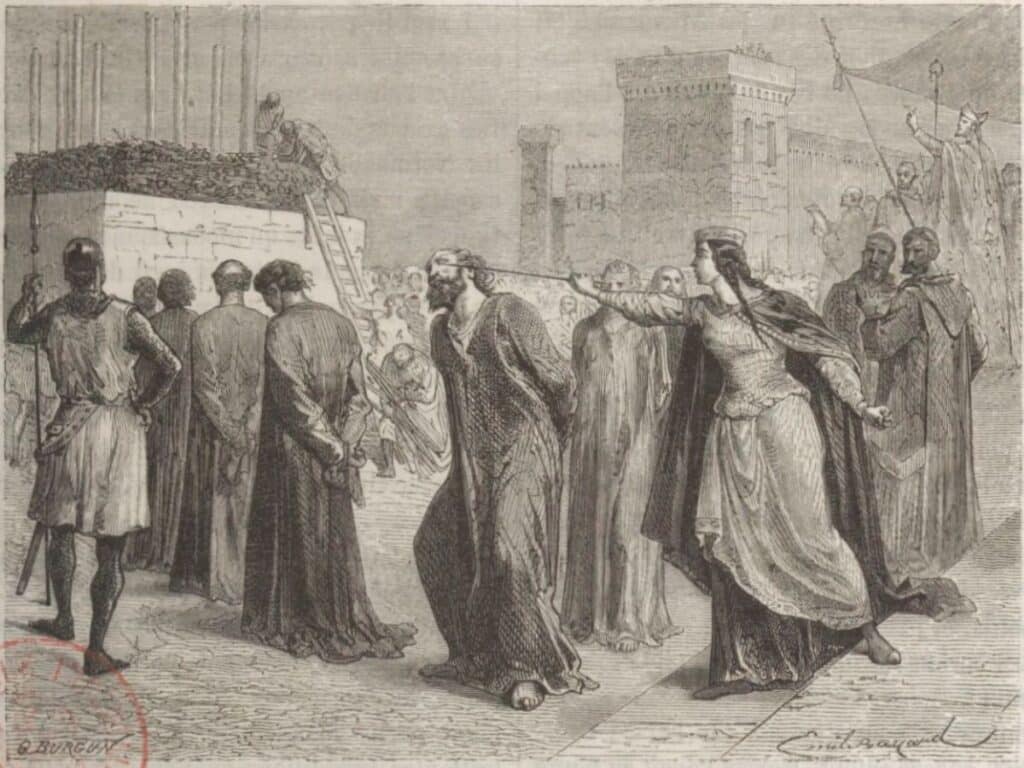
The case spiraled into hysteria. King Robert II of France personally attended their trial, determined to root out what he saw as a threat to the soul of Christendom. Under pressure and likely torture, the accused confessed, sealing their fate. The punishment was brutal and symbolic. Around a dozen men and women were stripped, paraded before the crowd, and burned alive outside Orléans Cathedral.
The executions shocked Europe. This was one of the first times heresy was punished by burning in France, setting a grim precedent that would echo through the Middle Ages. It revealed how fragile the balance of power was between faith and fear. To the authorities, stamping out heresy was about control as much as doctrine, and the fire at Orléans lit the way for centuries of persecution to come.
Ela FitzPayne and John Forde
In 1337, Dorset was rocked by a scandal that combined forbidden love, public disgrace, and cold-blooded murder. Ela FitzPayne was an aristocratic widow with wealth and influence, but her affair with John Forde, a local priest, would drag both into ruin. For a while, their relationship stayed secret. When it came to light, the fallout was swift and brutal.
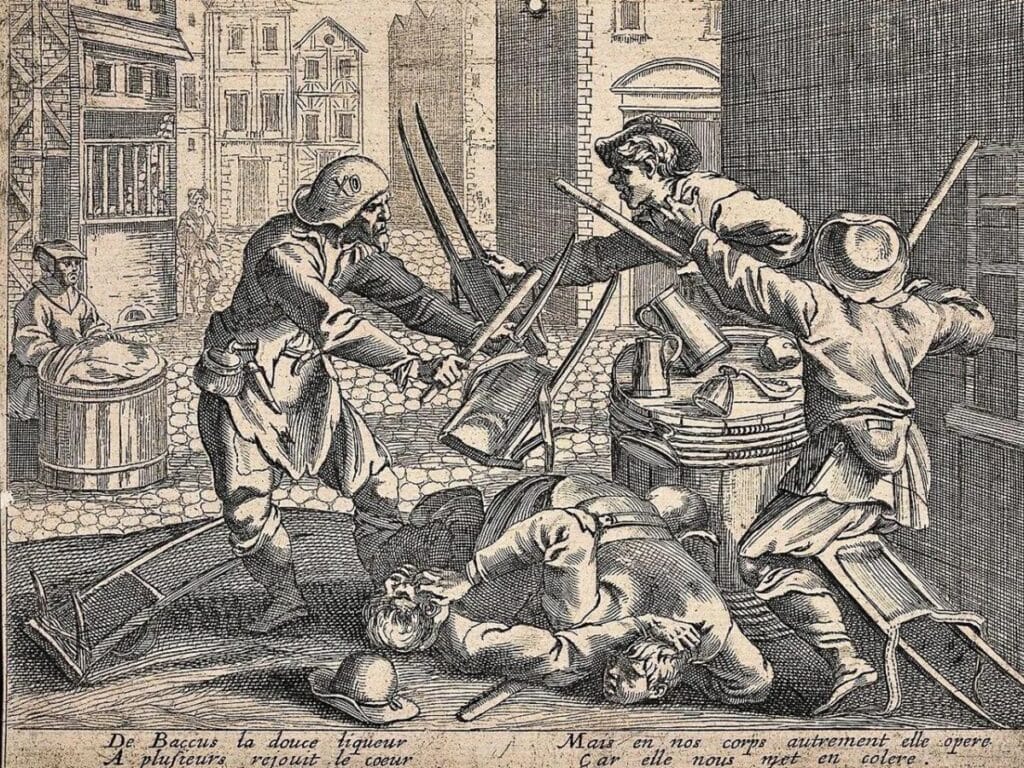
Forde was excommunicated and disgraced, while Ela faced humiliation that threatened her standing in noble society. Ending the affair wasn’t enough. Forde was a liability. He knew too much, and whispers suggested he refused to keep quiet. Some chroniclers even claimed he tried to pressure Ela for money or favors. Whatever the truth, Ela decided to solve the problem permanently.
One day, John Forde was attacked in the street and murdered. The killing sent shockwaves through the community, but everyone suspected who was behind it. Ela’s power and family connections made her untouchable. No charges were brought, and the case faded without justice. She kept her lands and her life, while Forde’s blood became another stain in a system that punished the powerless and protected the elite.
This scandal laid bare the reality of medieval law: morality was for the masses, but the rich could buy their way out, even when murder silenced their secrets.

Love a good medieval story?
Join our readers and get tales of kings, queens, castles and ordinary medieval lives straight to your inbox.

Kylie Lang is a nationally syndicated travel journalist with bylines on the Associated Press Wire & more, a medieval history writer, and the founder and lead author of Tales of the Middle Ages (talesofthemiddleages.com). She holds a BA (Honours) in History from the University of Kent and is a member of the British Guild of Travel Writers.
Related posts:
 Meet Ela of Salisbury: She Ran an Abbey, Ruled a County, and Got Kidnapped by Her Uncle
 The Top 10 Baby Names in the Middle Ages (And Your Medieval Match)
 10 Rulers of the Middle Ages Who Led with Wisdom, Compassion, and Power
 Matilda of Tuscany: The Warrior Countess Who Brought an Emperor to His Knees