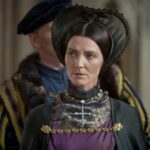
When it comes to Henry VIII, we are all familiar with the story of his six wives, his tyrannical rule, and his sister who secretly married his best friend. But what about his other sister, Margaret Tudor? She may not be a household name, but without Margaret, British royal history would look very different.

Her life had it all: a teenage royal marriage, a battlefield widowhood, secret weddings, political plots, and family betrayal. She ruled as regent, fled from danger, and fought to protect her son’s throne. And the best part? Her descendants ultimately inherited the English crown. Not bad for someone often left out of the spotlight.
Table of Contents
Her story is worth telling. From the glitter of Tudor palaces to the grit of Scottish politics, Margaret Tudor’s life reads like a historical drama. Let’s go back to the start and see how it all unfolded.
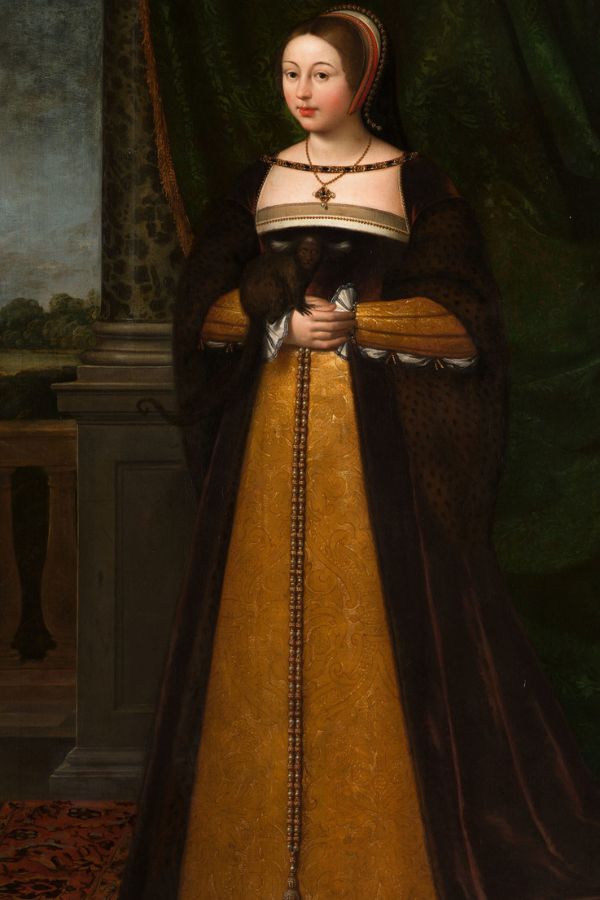
Born into a Dynasty (1489)
Margaret Tudor was born at Westminster Palace in 1489. Her father, Henry VII, had clawed his way to the throne just four years earlier after defeating Richard III at the Battle of Bosworth.
Her mother, Elizabeth of York, helped seal the deal by uniting two royal bloodlines that had spent decades tearing each other apart. Margaret wasn’t born into peace.
The Tudors were still new to the throne. Henry VII had only been king for four years, and every royal birth helped strengthen his shaky claim. Margaret, as the eldest daughter, was raised to play her part in the dynasty’s survival, which meant one thing: she was destined for a foreign crown. Her early years were marked by tutors, court ceremonies, and constant reminders that her life wasn’t truly her own.
Margaret grew up alongside her siblings, Mary and Henry, the future king, who would cause more drama than any of them. The two shared a close bond in childhood, though their adult lives would pull them in very different directions. While Henry stayed in England to rewrite its history, Margaret was being prepared to leave and change the fate of another kingdom entirely.
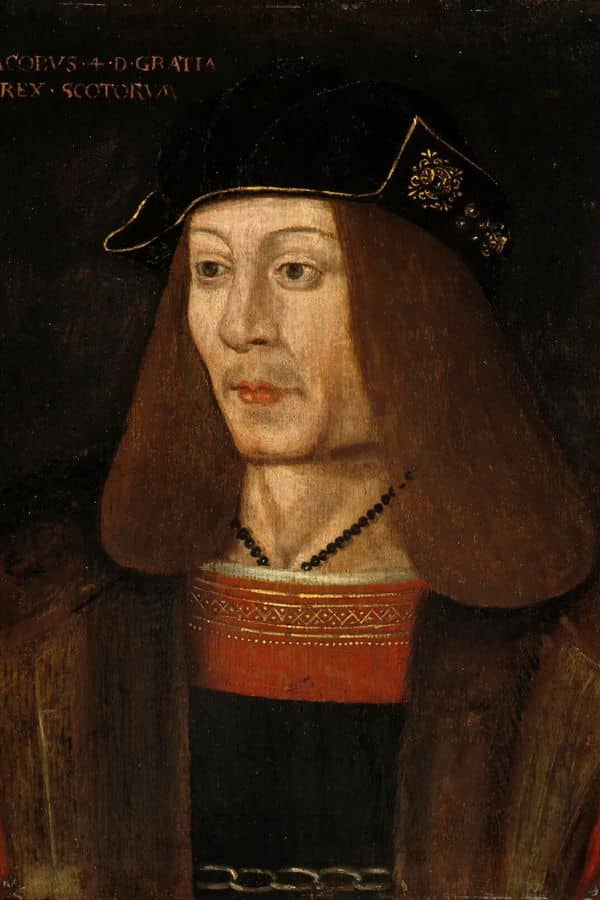
A Scottish Queen at Thirteen
In 1503, at the tender age of thirteen, Margaret was sent north to marry James IV of Scotland. It was a political deal wrapped up as a peace treaty. England and Scotland had been fighting for generations, and this marriage was supposed to bring stability. The plan was simple. If Margaret became queen of Scotland, maybe the countries would stop killing each other for a while.
The journey to Edinburgh was long and full of pageantry, but the reality that awaited her was something else. James was nearly twice her age. He was a confident and experienced king with plenty of mistresses and illegitimate children. Margaret had no power in the marriage, but she was expected to smile and play the part. She did it well, at least in public.
Over time, she began to settle into her role. She gave birth to several children, though only one would survive infancy. Life at the Scottish court was not easy. She was watched, judged, and often isolated. Even so, Margaret found ways to assert herself, building alliances and learning how power worked in a country that was not her own. It wouldn’t be long before that knowledge would be put to the test.

Tragedy at Flodden (1513)
In 1513, Margaret’s world shattered. Her brother Henry, now king of England, had gone to war with France. James IV, bound by alliance to the French, marched his army south to attack England in his absence. What followed was the Battle of Flodden, one of the bloodiest fights ever seen between the two kingdoms.
James was killed on the field, along with thousands of Scottish nobles and soldiers. His body was so disfigured that it took days to confirm it was actually him. Margaret, now in her early twenties, was left a widow with a one-year-old son who had just become king. She had to act fast. As the Queen Dowager and mother of the new monarch, she claimed the regency.
It was a bold move, and not everyone supported it. Many in the Scottish nobility distrusted her, especially after she pushed for peace with England. They resented her English blood and her sudden authority. Margaret found herself fighting on multiple fronts. She was grieving a husband, protecting a crown, and trying to stay one step ahead of men who saw her as a temporary obstacle.
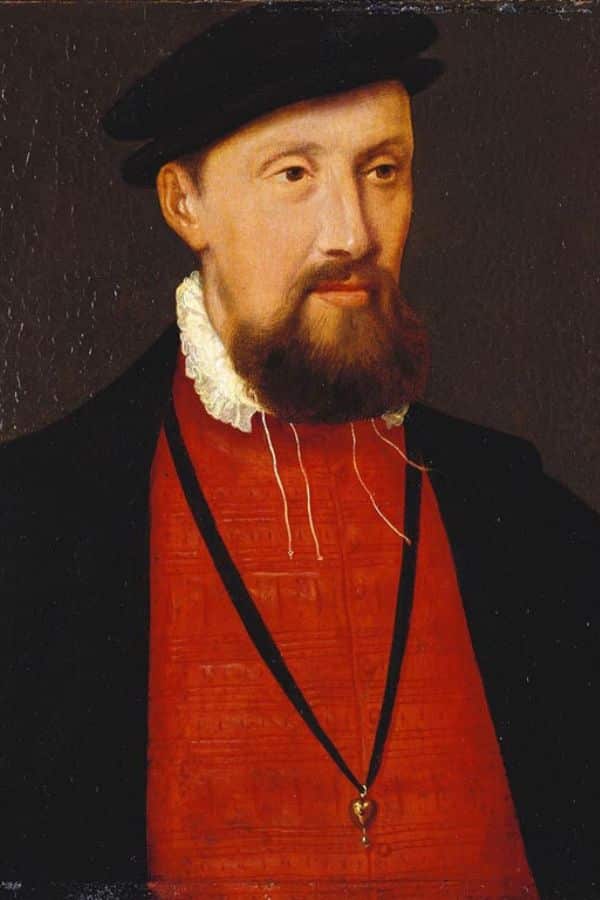
Love, Scandal, and a Second Marriage
In 1514, Margaret secretly married Archibald Douglas, the Earl of Angus. It was a disastrous choice. Not only did she remarry without the approval of the Scottish council, but she also married into one of the most ambitious families in the kingdom. Her enemies used it as an excuse to strip her of the regency and hand power to a rival faction. She had lost her grip on the throne and barely had time to realize it before everything unraveled.
Her new husband turned out to be more interested in his own future than hers. While Margaret tried to keep control over her son’s guardianship, Angus made moves behind her back and lined his pockets with royal money. Their marriage quickly turned cold, and when political tensions grew too dangerous, Margaret fled to England. She was pregnant, broke, and politically spent. Her only real card left was her status as Henry VIII’s sister.
Margaret eventually returned to Scotland, but things didn’t improve. Angus refused to give up control of her estates or her son. He ruled in her name without her consent. Margaret fought back, but she was trapped. Scotland was full of men playing power games, and she had few allies left. In time, she would claw back some influence, but the damage from her second marriage never fully healed.
Back in Power (Briefly)
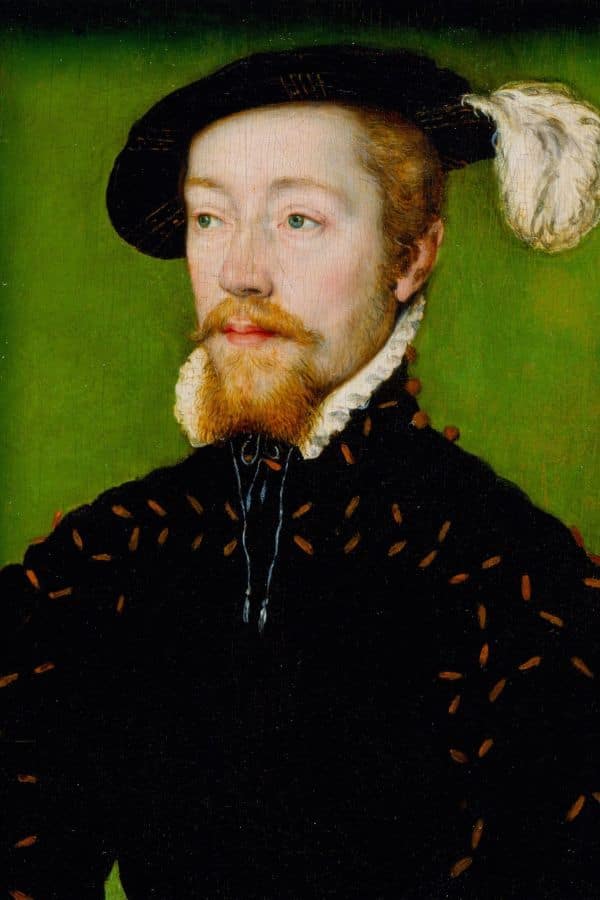
By 1524, Margaret had finally managed to push Angus out of the picture. Their marriage had collapsed completely, and after years of struggle, she secured a formal separation. More importantly, she gained control of her son, now twelve years old and officially ruling as James V of Scotland. Margaret stepped back into power as his closest advisor, ready to rebuild what she had lost.
But the victory was short-lived. Scottish politics was a mess. Nobles fought over influence, foreign powers pulled strings, and Margaret found herself constantly shifting alliances to stay afloat. She tried to bring Scotland closer to England again, hoping her brother would support her. Instead, Henry VIII ignored her pleas and made it clear she was no longer useful to him.
Even her relationship with James V began to crack. He was growing older and wanted to rule on his own terms. Margaret had spent years fighting for control, but now she had to face the fact that she was being sidelined again. Her time as a major player in Scottish politics was coming to an end, and there was little she could do about it.
Third Time Unlucky
Margaret wasn’t finished with marriage. In 1528, she married Henry Stewart, a younger nobleman with charm and ambition but very little loyalty. At first, it seemed like a chance to start over. But it didn’t take long for the cracks to show. Stewart meddled in court politics and spent her money freely. He wanted power, and he was willing to use Margaret to get it.
Her son, James V, was no longer a child. He had taken full control of the throne and grown suspicious of his mother’s influence. When Stewart pushed too far, James had him arrested and thrown out of court. Margaret was humiliated. Once again, her marriage had become a liability, and her position at court had grown weaker.
She petitioned for divorce but was denied. Instead, she spent her final years caught between a king who no longer trusted her and a husband she could not get rid of. The woman who had once ruled as regent now had little say in anything. She was worn down by decades of betrayal, disappointment, and survival.
Death in Obscurity (1541)
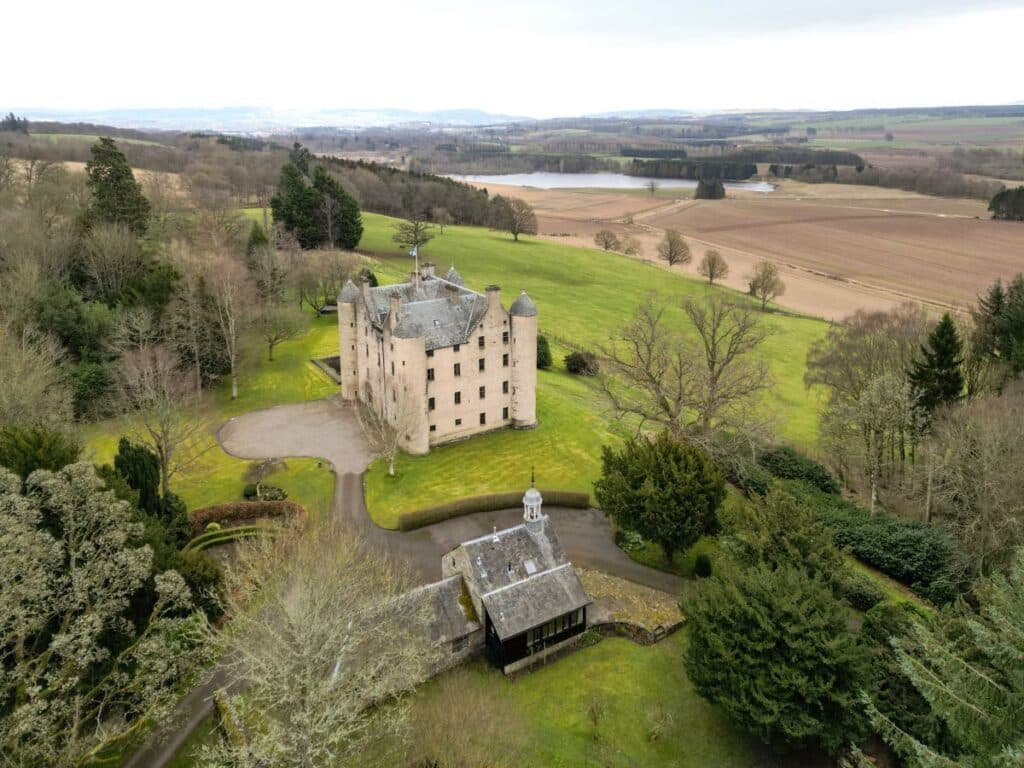
Margaret died in 1541 at Methven Castle, far from the centers of power she had once fought to control. She was fifty-one years old. Her death came quietly, with little fanfare. No grand farewell, no royal mourning. Just the end of a long, hard life shaped by politics, loss, and ambition.
Margaret Tudor had lived through some of the most violent and unstable years in British history. She had ruled a kingdom, lost everything, fought her way back, and lost it again. By the time she died, she had been forgotten by many.
Her Legacy: A Royal Bloodline That Would Shake England
Margaret’s influence didn’t end with her death. Her son, James V of Scotland, married the French princess Mary of Guise. Their daughter was Mary, Queen of Scots, one of the most famous and controversial figures in European history. Mary’s claim to the English throne came directly through Margaret. It haunted her life and gave Elizabeth I a permanent reason to watch her back.
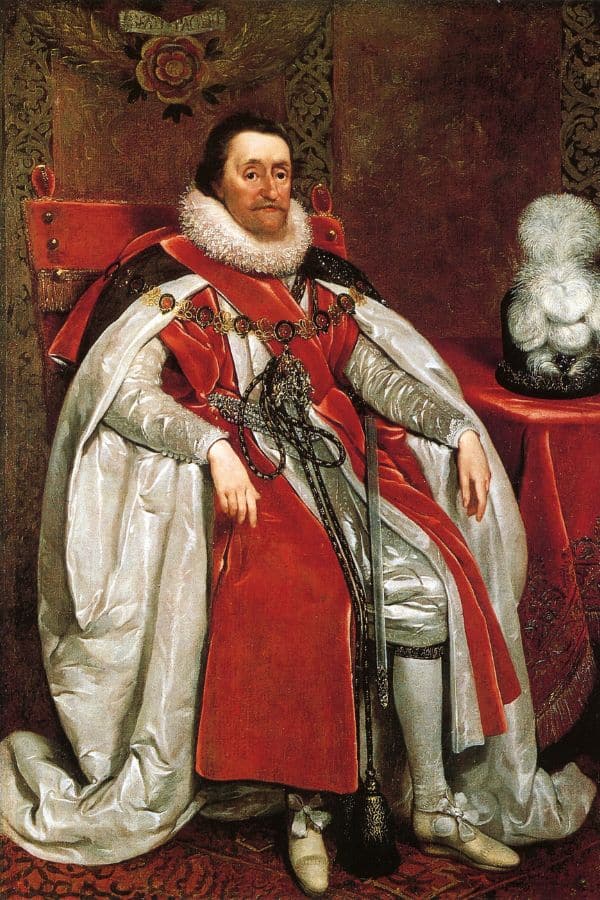
Mary’s tragic downfall and her execution in 1587 might have looked like the end of that claim. But it wasn’t. Mary’s son, James VI of Scotland, inherited both his mother’s ambition and his grandmother’s bloodline. When Elizabeth died in 1603 with no direct heir, James ascended to the English throne and became James I. As a result, Margaret’s line ruled both kingdoms.
She had done what no one else in her family managed to do. Through her marriage and her children, she connected the Tudor and Stuart lines. While Henry VIII’s desperate hunt for a male heir tore his kingdom apart, Margaret’s descendants quietly secured the throne through survival and legitimacy.
Her legacy is evident everywhere in British history, even if her name is rarely at the forefront. Every monarch since James I can trace their claim back to Margaret Tudor. She changed the course of British history.

Kylie Lang is a nationally syndicated travel journalist with bylines on the Associated Press Wire & more, a medieval history writer, and the founder and lead author of Tales of the Middle Ages (talesofthemiddleages.com). She holds a BA (Honours) in History from the University of Kent and is a member of the British Guild of Travel Writers.