
Catherine Parr is remembered as the one who survived. The sixth and final wife of Henry VIII. The one who outlived him. She was a published author, a political operator, and a woman who stayed alive by being clever when cleverness could get you killed.

She’d already buried two husbands before the King came calling. She didn’t want to marry him. She was in love with someone else. But in Tudor England, love didn’t get the final say. Catherine Parr walked a tightrope through religious reform, court rivalries, and a husband who had a penchant for executing his wives. And somehow, she turned a dangerous position into real influence.
Table of Contents
This is the story of a woman who ruled England as regent, educated Elizabeth I, and narrowly escaped arrest for heresy. A woman whose death came not from politics or the axe, but from childbirth after finally marrying for love. She was a survivor who never stopped thinking for herself.

Early Years: Born into the Game
Catherine Parr was born in 1512, right into the heart of Tudor politics. Her father, Sir Thomas Parr, was one of Henry VIII’s closest companions in his early reign. A well-connected courtier with blood ties to the powerful Beaufort family, Thomas Parr had the king’s ear and the money to prove it. Her mother, Maud Green, served as a lady-in-waiting to Queen Catherine of Aragon.
Catherine learned Latin, French, and the basics of household management before most girls her age were even allowed to read. She was bright, curious, and raised in a household where women were expected to be more than decorative. Her mother taught her how to read people, how to survive a court that could eat you alive, and how to hold your own with men who didn’t think women should speak unless spoken to.
Her father died when she was just five. That left Maud in charge of the family estate, a rare position for a woman at the time. But Maud didn’t flinch. She managed things well enough to maintain the Parrs’ good standing at court, and she raised her three children, Catherine, her brother William, and her sister Anne, with ambition and strategy. All three would eventually find their way into the heart of Tudor politics, but Catherine was the one who would end up in the eye of the storm.

Two Husbands Before the King
Catherine’s first marriage happened when she was still a teenager. Around 1529, she married Sir Edward Burgh, the grandson of the 2nd Baron Burgh. It wasn’t a marriage of passion. Many of the marriages in medieval England weren’t. It was arranged, practical, and likely orchestrated by both families to tie their fortunes together.
Not much is recorded about the marriage itself. They lived in Lincolnshire, far from court, in a household that didn’t offer much excitement or power. Edward’s health was poor, and within four years, Catherine was a widow, and only in her early twenties. But his death gave her something few women had: independence. She inherited a small jointure, just enough to live on her terms for a little while. But not for long.
By 1534, Catherine had married again. This time to John Neville, 3rd Baron Latimer. He was twice her age, a well-respected nobleman with two children and plenty of political baggage. He was also profoundly conservative in his religion, a staunch Catholic in a country that was splitting down the middle over Henry VIII’s reforms. The match pulled Catherine into northern politics just as things were about to explode.

Caught in the Pilgrimage of Grace
By the late 1530s, Catherine Parr was living in the thick of northern unrest. Her husband, Lord Latimer, held lands in Yorkshire and served as a member of the King’s Council of the North. He had a good reputation at court and a strong sense of loyalty to the crown. But in the north, the air was turning cold. Henry VIII had torn the country in two with his break from Rome, shutting down monasteries and stripping churches of wealth.
In October 1536, thousands of rebels rose up in Yorkshire and Lincolnshire. They called it a pilgrimage, but it was a full-blown rebellion. Monks, priests, noblemen, peasants, people who would never have stood side by side before, marched under the banner of Christ and the Five Wounds. Their aim was to stop the dissolution of the monasteries, reinstate the Pope’s authority, and push out Thomas Cromwell, the architect of reform.
John Neville didn’t join the rebellion outright, but he didn’t exactly stand against it either. Like many nobles in the region, he attempted to straddle the line, negotiating with rebels to maintain peace while sending letters to London to demonstrate his loyalty. It was a dangerous game. The rebels didn’t fully trust him, and the King didn’t either.
Catherine, meanwhile, was trapped. She and the Latimer children were held hostage in their own home by armed rebels. The house was ransacked. Swords were drawn. Catherine had to stay calm, say nothing that could get them all killed, and wait it out. She was in her early twenties, surrounded by men willing to kill in the name of faith. Her stepchildren were terrified. But she kept her composure.
Eventually, the rebellion fizzled. Henry offered pardons to buy time, then hunted down the ringleaders later. Latimer managed to convince the crown that he had done his best to mediate. He avoided charges but came back from London to a house full of suspicion. Neighbors saw him as a traitor. The crown saw him as a liability. And Catherine was left in the wreckage.

For the next few years, she lived in a kind of political limbo. Latimer was no longer trusted at court, and the family’s position in the north had grown shaky. But Catherine kept her head down. She raised her stepdaughter Margaret, ran the household, and quietly observed how dangerous religion and power had become.
Latimer never fully recovered from the events of 1536. His health declined, and by early 1543, he was dying. Catherine nursed him through his final illness, just as she had done for her first husband. When he died, she was widowed for the second time.
She was around thirty years old, childless, and once again in control of her own future. But this time she had something else: experience. She had seen the brutality of rebellion, the hypocrisy of the powerful, and the thin line between favor and disgrace. And she had survived it.
Back to Court—and the King Notices
After Lord Latimer died in early 1543, Catherine moved to London. She was now a wealthy widow, with properties of her own, no children to tie her down, and connections through both birth and marriage that gave her access to the upper echelons of court. Most widows in her position would have retired quietly to the countryside. Catherine didn’t. She went straight to the heart of power.
It was around this time that she reconnected with Thomas Seymour.
He was handsome, ambitious, and dangerously charming. The younger brother of Jane Seymour, Henry VIII’s third wife and mother of his longed-for son, Thomas had royal access and wasn’t shy about using it. He and Catherine had likely met before through shared court connections, but now the timing was different. She was free. So was he. And unlike the calculated marriages she’d made before, this felt like a choice.
They grew close quickly. Some later described it as a love match. Whether or not they ever got formally engaged is unclear, but Catherine was in deep. She believed she could finally marry for affection instead of strategy. She’d served her duty. She’d played the game. Now it was her turn to live.
But Thomas Seymour wasn’t the only man watching Catherine that spring.
Henry VIII was fifty-two years old, riddled with gout, bloated from illness, and paranoid about enemies on all sides. His fifth wife, Catherine Howard, had been executed for adultery just two years earlier. He wasn’t looking for passion anymore. He wanted loyalty. Intelligence. Obedience. And someone who could keep his household and his legacy in order.
Catherine Parr ticked all the boxes.
She was noble, experienced, devout, and had no family ties that posed a threat to the throne. She also had a reputation for caring for her sick husbands, which wasn’t lost on Henry, who now relied on walking sticks and spent much of his time in bed.
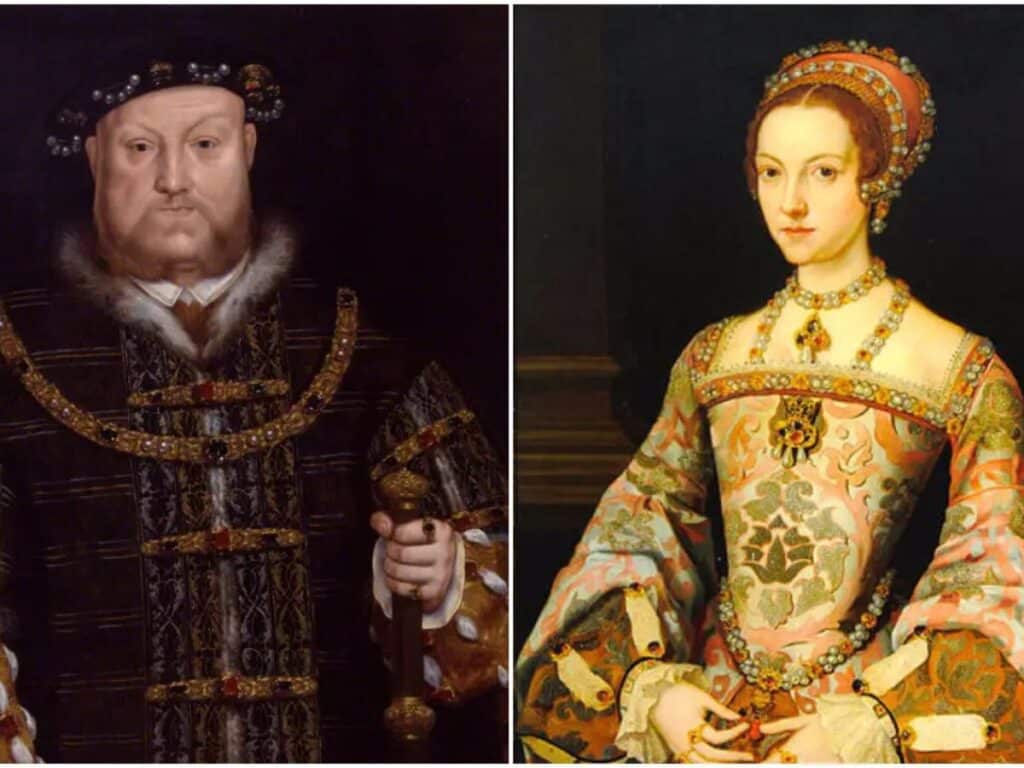
By spring 1543, the King had made up his mind.
Catherine didn’t want to marry him. She later said so plainly in her own writing. But refusal wasn’t really an option. She was part of court life, under the King’s gaze, and already caught in the rumor mill. Her connection to Thomas Seymour was suddenly dangerous. People were watching. And when the King wanted something, there were only two responses: yes or disappear.
So Catherine did what she always did. She adapted.
She put aside her feelings for Thomas Seymour and accepted the King’s proposal. Not out of ambition. Out of survival. She convinced herself that this was God’s will and that she had been chosen for a purpose greater than her own hopes.
On 12 July 1543, she married Henry VIII at Hampton Court Palace in a quiet ceremony attended by a handful of trusted courtiers and royal children. In doing so, she stepped into the most perilous job in England: being wife number six.
Queen, Nurse, and Step-Mother to a Nation
Catherine Parr stepped into her role as queen, already knowing what had happened to the five who came before her. But Catherine had something the others didn’t: experience. She wasn’t a teenager or young woman. She had been married twice, raised other people’s children, lived through a rebellion, and learned when to speak and when to stay quiet.
And she knew how to handle Henry.
By the time they married, Henry was physically wrecked. His leg ulcer stank. His weight was crushing. His moods swung from adoration to fury in a breath. Catherine soothed him, managed the household, and gave him something he hadn’t had in years: peace. She read to him, nursed him when his leg flared up, and kept the palace running like a well-oiled machine.
In 1544, Henry left for France to wage war. Catherine was named regent in his absence.
It wasn’t a ceremonial title. She had real power. She signed royal proclamations, managed supplies for the army, oversaw finances, and kept the court in line. Ambassadors wrote that she was respected, capable, and firmly in control. While Henry played soldier across the Channel, Catherine ruled at home.
She also took on the role of stepmother with real intention. Princess Mary was only four years her junior. Elizabeth was ten. Prince Edward was six. Catherine created a household where all three could thrive. She insisted they be educated, especially the girls. Elizabeth’s love of languages, learning, and scripture came directly from Catherine’s influence. The future queen later wrote that Catherine had been a true mother to her, one of the only ones she ever knew.
But it wasn’t just education Catherine was pushing. It was reform.
A Queen with Dangerous Beliefs
Catherine believed deeply in the new Protestant faith. She held Bible study in English with her ladies. She read banned books. She debated theology with bishops. She even published her own religious texts, including books of prayers and reflections, which emphasized direct access to God, without the need for priests or the Latin Mass. That put her on dangerous ground.
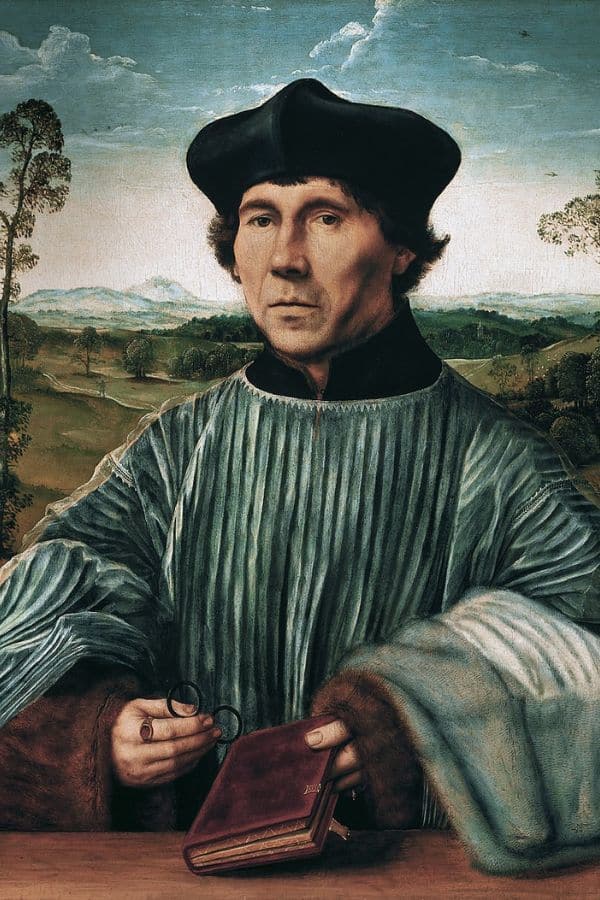
The conservative faction at court, led by Bishop Stephen Gardiner and supported by some of Henry’s old Catholic allies, started whispering in the King’s ear. They accused her of heresy. Said she was pushing Protestantism too far. They seized books from her chambers and arrested people in her circle. One of them was Anne Askew, a preacher and known reformist who had spoken with Catherine’s ladies. Anne was tortured in the Tower, racked until her joints tore apart. But she never gave up a name.
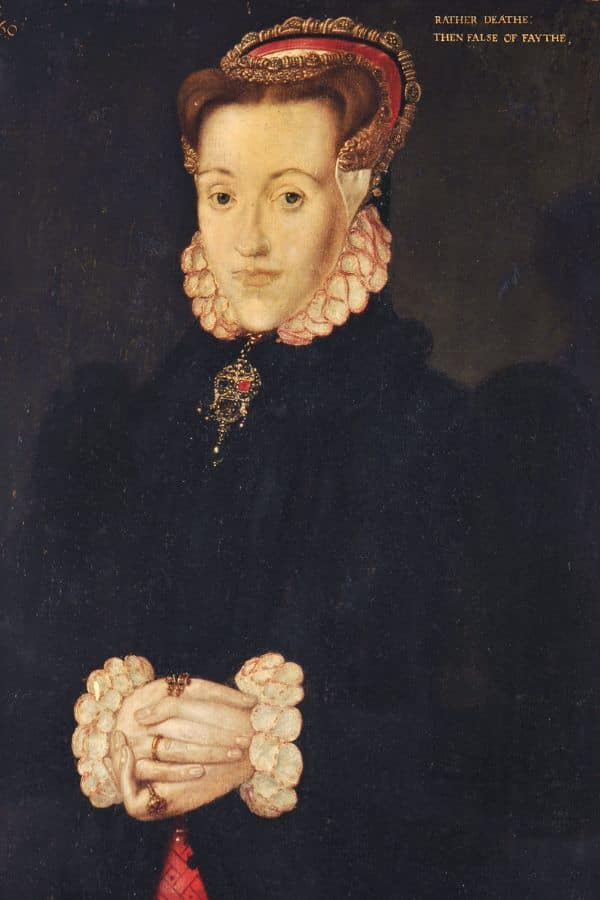
By summer 1546, an arrest warrant had been drawn up for the Queen.
Catherine didn’t panic. She played the same card she’d used for years: strategy. She went to Henry in private, apologized for overstepping, and told him that everything she said about religion had only been to distract him from his pain. That she knew her place. That she needed his guidance. Henry, always craving obedience, was flattered. He forgave her. The next day, when the men came to arrest her, he sent them away in public. Just like that, she was safe again.
But the warning was clear. One wrong word, one wrong book, one wrong ally, and she’d be next.
Love, Scandal, and a Final Goodbye
Henry VIII died on 28 January 1547. Catherine had survived the most dangerous role in the kingdom. She was now Dowager Queen, wealthy in her own right, and finally free to do what she wanted. For the first time in her life, she didn’t need to marry. She had the title. She had the land. She had the respect. She could have stepped away from it all and lived out her days in peace.
But she didn’t.
Within a few months, she secretly married Thomas Seymour.
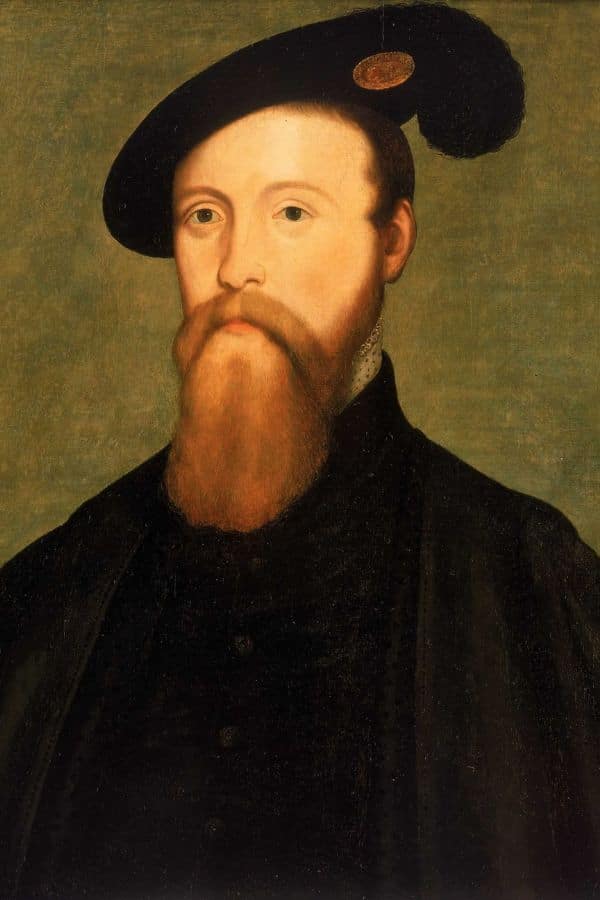
It was fast. Too fast. And people noticed. Catherine had been widowed for less than four months. The ink on the King’s will was barely dry. Marrying Seymour so quickly was seen as disrespectful, especially by the new regime under Edward VI. The Lord Protector, Edward’s uncle, and conveniently, Seymour’s older brother, was furious. So were Princess Mary and young King Edward. Even Elizabeth, who had been living under Catherine’s care, was caught in the middle. But Catherine didn’t care. She’d spent her entire adult life doing what was expected. This was what she wanted.
She and Thomas set up house at Chelsea Manor. Elizabeth came to live with them, along with Lady Jane Grey. Catherine created a household of learning, full of tutors, books, and intellectual conversation. But something wasn’t right. Thomas Seymour started paying Elizabeth a little too much attention. He’d come into her room early in the morning. Tickled her. Slapped her on the backside. Joined her in the garden for what he claimed were innocent games.
At first, Catherine dismissed it. Maybe she didn’t want to believe what she was seeing. Perhaps she didn’t want to lose the one thing she’d chosen for herself. But when she walked in on her husband embracing the fourteen-year-old princess, she acted. Elizabeth was sent away to stay with friends. The two never lived under the same roof again.
Catherine was pregnant. For the first time in all her marriages, she was pregnant. She was in her mid-thirties now, and pregnancy at that age came with real risks. But she was thrilled. So was Thomas. The household moved to Sudeley Castle in Gloucestershire to prepare for the birth. Letters from the time show Catherine nesting, writing to friends, and making plans for her future as a mother.
On 30 August 1548, she gave birth to a daughter. They named the baby Mary.
Catherine barely had time to hold her. Within days, she developed childbed fever, a common, deadly infection with no cure. Her condition worsened fast. She grew delirious, accused her husband of poisoning her, and raged from her sickbed. Five days later, she was dead.
She was buried at Sudeley Castle with all the honors of a queen. It was the first Protestant royal funeral in England. But even in death, her peace didn’t last long.
Within six months, Thomas Seymour was arrested for treason. He’d tried to marry Elizabeth. He’d plotted to kidnap the young king. He was executed in March 1549. Their baby daughter, Mary Seymour, disappeared from the records not long after. No one knows what happened to her. She likely died young, passed from household to household, too small to matter once her parents were gone.
Catherine Parr had lived her life at the center of England’s most dangerous court. She’d survived rebellion, religious war, political plots, and the most volatile king in English history. She ruled as regent, published her own books, shaped the education of a future queen, and stood toe-to-toe with some of the most powerful men of her time.


Kylie Lang is a nationally syndicated travel journalist with bylines on the Associated Press Wire & more, a medieval history writer, and the founder and lead author of Tales of the Middle Ages (talesofthemiddleages.com). She holds a BA (Honours) in History from the University of Kent and is a member of the British Guild of Travel Writers.
Related posts:
 How Lady Worsley Turned Her Husband’s Humiliation into High Society Infamy
 For Jane Seymour the Most Dangerous Place in England Was Henry VIII’s Bedchamber
 Six Women Who Dodged a Bullet, or Axe, by Not Marrying Henry VIII
 The Queen Who Blew Up the Tudor Court: Catherine Howard’s Rise and Catastrophic Fall