
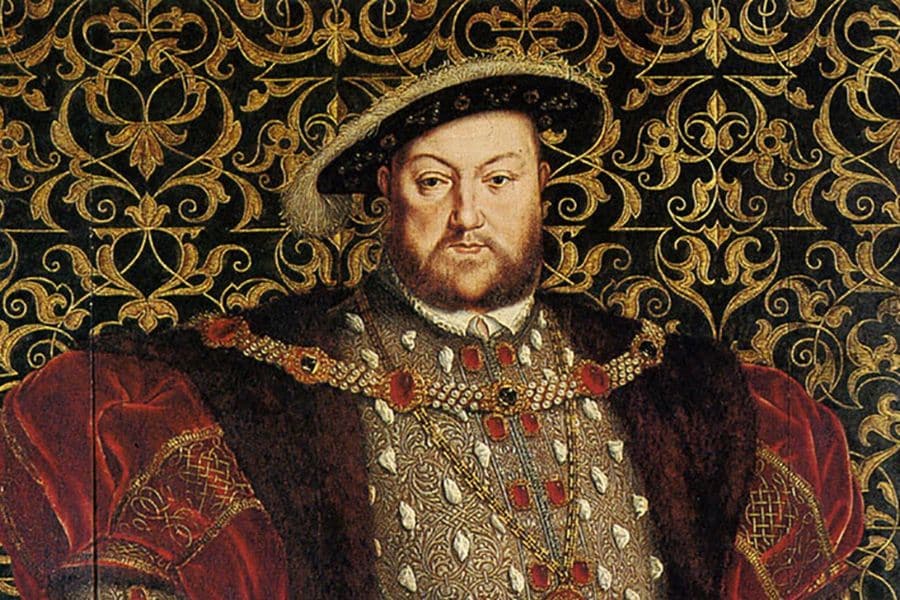
I used to live in East Yorkshire, just outside Hull, so when I heard an episode of the BBC’s Hidden East Yorkshire podcast about a plot to kill Henry VIII in this part of the world, I had to dig deeper. The story centers on Mabel Brigge, a thirty-two-year-old widow from the small coastal village of Holmpton.
She worked in service and had two children to raise, yet she became entangled in one of the most bizarre treason cases of the Tudor period. Mabel staged what was called a “black fast,” a ritual that many at the time believed could cause death through prayer and starvation. Her targets were none other than the king himself and Thomas Howard, the Duke of Norfolk.
Table of Contents
But the case isn’t as simple as a desperate woman dabbling in forbidden practices. There are signs she was being used, that larger political forces were at work, and that this widow from a quiet corner of Yorkshire was pulled into a struggle that went far beyond her own life.
The Black Fast
In the summer of 1537, Isobel Buck hired Mabel Brigge to carry out such a fast. Isobel had recently suffered a miscarriage and felt too weak to do it herself. She offered Mabel a peck of wheat and half a yard of linen in exchange for the service, which was sanctioned by the local chantry priest, Sir Thomas Marshall.
On Friday, Saturday, and Sunday around Lammas, Mabel fasted, describing it to the household as a “charitable fast.” The purpose was to help Isobel recover some lost money.
But there were hints of something darker. Mabel herself told people she had once fasted with the intent of killing a man, who later broke his neck. Stories like this gave weight to the idea that she believed the ritual could harm others, and it gave her a dangerous reputation.
So how did a desperate search for missing coins escalate into a conspiracy to kill Henry VIII?
Rebellion and Fear in East Yorkshire
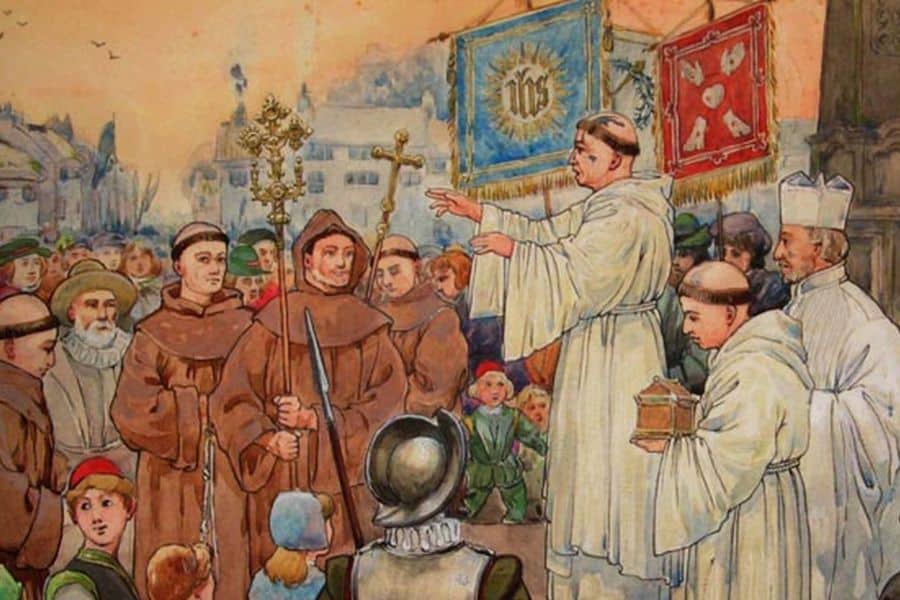
By the 1530s, England was in turmoil. Henry VIII had broken from Rome, divorced his first wife, Catherine of Aragon, and set about dismantling monasteries across the country. They ran farms, provided jobs, and offered support for the poor and elderly. Their loss shook entire communities.
People began to wonder what else the king might change. If he could crown himself head of the church, could he strip away holy days, too, forcing everyone to work more? Both the clergy and ordinary villagers were unsettled, and resentment spread quickly.
The Pilgrimage of Grace
In 1536, protest boiled over in the north of England. The Pilgrimage of Grace drew thousands of men from East Yorkshire, including about 9,000 who gathered on a hill near Market Weighton. From there, one group marched on York, while another laid siege to Hull and captured it with little resistance. The scale of the revolt was striking, especially given that later, even Charles I failed to take Hull during the Civil War.
The uprising collapsed, and while leaders were executed, many ordinary rebels were allowed to return home. Among them was William Buck, the husband of Isobel Buck. But the shadow of retribution hung over families. Rumors spread that the Duke of Norfolk held a list of those who had joined the rebellion. Fear of punishment ran deep.
Mabel Drawn Into the Plot
In this climate of fear, Isobel turned to Mabel. Her husband’s name on a list may have been reason enough to seek protection through unusual means. On the surface, the fast was about finding lost money. To others, it looked like a dangerous attempt to curse the king and the duke.
At the time, Mabel was working as a servant for John Lokkar and his wife Agnes. It was the Lokkars who denounced both women, claiming the fast was a plot to kill Henry VIII and Thomas Howard, Duke of Norfolk. Agnes added fuel by repeating Mabel’s own story about using a fast in the past to kill a man.
Mabel later insisted that John Lokkar had offered her money to support their version of events, which also served to damage the Bucks. Personal grudges were clearly at play. John had already quarreled with William Buck over a loan for cattle, and the accusation may have been his way of settling the score.
Sir Ralph Ellerker led the investigation. On 11 March 1538, all parties were taken to York for trial. Both women were found guilty of treason. Isobel, however, was reprieved, most likely through bribes recorded in the case. Her husband, William, and his father were also convicted for trying to pervert the course of justice by offering money to sway the outcome.
Mabel Brigge had no such escape. On 7 April 1538, she was executed at York.

Love a good medieval story?
Join our readers and get tales of kings, queens, castles and ordinary medieval lives straight to your inbox.

Kylie Lang is a nationally syndicated travel journalist with bylines on the Associated Press Wire & more, a medieval history writer, and the founder and lead author of Tales of the Middle Ages (talesofthemiddleages.com). She holds a BA (Honours) in History from the University of Kent and is a member of the British Guild of Travel Writers.