To say I was excited to sit down on Sunday night to watch the first episode of the new BBC One drama about the events of 1066 was an understatement. There have been some great historical dramas over the last decade, from Wolf Hall to The White Queen. Although there is always a certain amount of artistic license taken, there is always a solid basis of fact underpinning the shows, not to mention great casting. However, the same could not be said of King & Conqueror.
Given the stellar cast involved, which includes James Norton, Nikolaj Coster-Waldau, Eddie Marsan, and Juliet Stephenson, I thought we’d be in for a treat. Not to mention, in the past, the BBC has been very good at these types of dramas. Additionally, the era of William the Conqueror hasn’t been overdone in the same way that topics related to the Tudors or King Arthur have.
Table of Contents
The focus of the show is the all-important years that led up to the Battle of Hastings in 1066. The drama unfolds around Edward the Confessor as he is about to be crowned king, and the paths of Harold of Wessex and William of Normandy cross. So what did the show get so badly wrong, and were there any saving graces?
A Show That Had So Much Promise
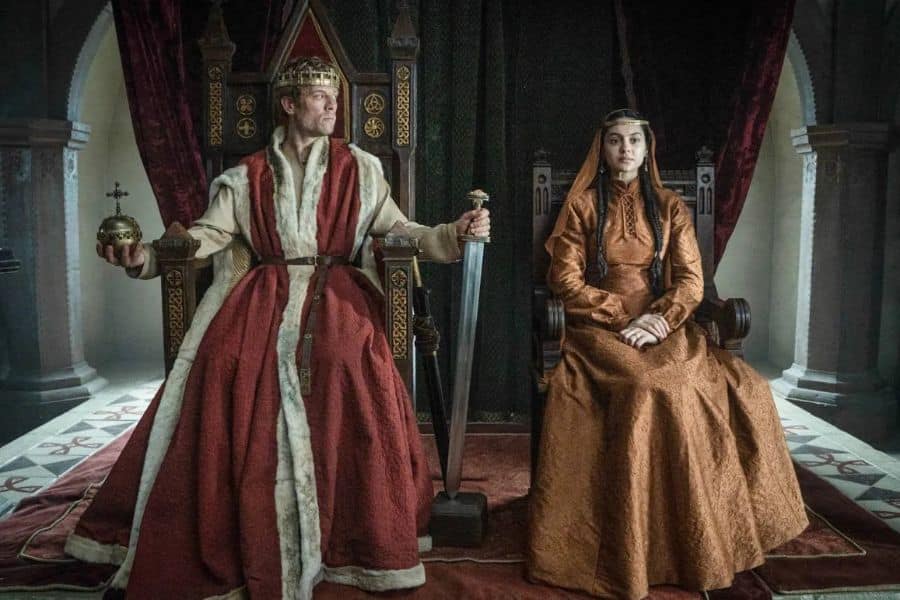
On paper, King & Conqueror seemed to have all the right ingredients. The story is set in the years leading up to 1066, exploring the escalating tension between Harold of Wessex and William of Normandy. It’s a period marked by political maneuvering, battles for power, and characters who have shaped English history forever. You don’t need to invent drama when the real history is already so compelling.
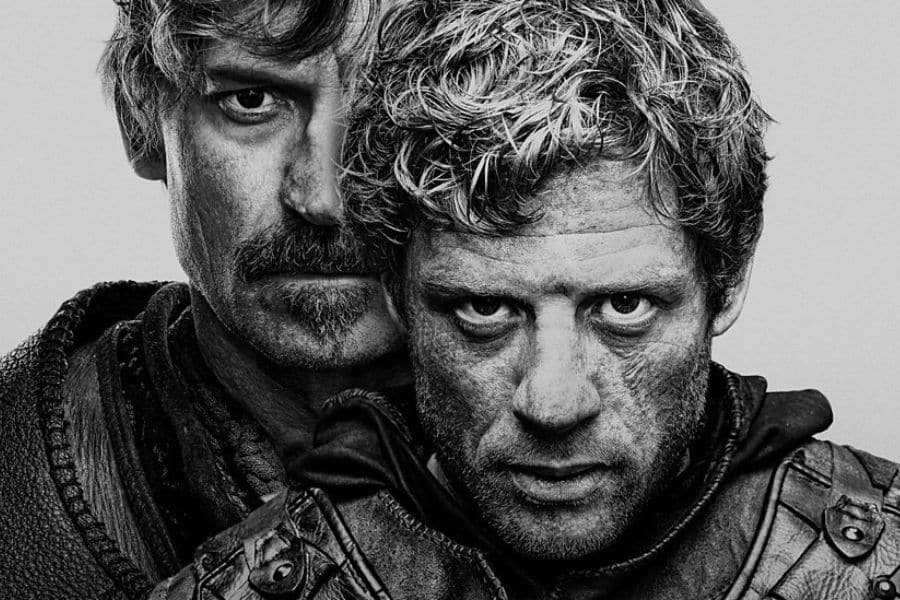
Then you look at the cast list and expect fireworks. James Norton as Harold, Nikolaj Coster-Waldau as William, Eddie Marsan in a supporting role, along with Juliet Stevenson, Emily Beecham, and Clémence Poésy, rounding out the cast. These are seasoned actors who know how to command the screen. Add to that the fact that Norton also served as executive producer, and it feels like a project that should have been set up for success.
Inaccuracies Everywhere
The history of 1066 doesn’t need made-up stories as there was plenty of drama in the real events of the Norman Conquest without them. With all the resources the BBC has at its fingertips, why was it so hard to get history right? If the writers had trusted the story, paid a bit more attention to detail, and given us sets and costumes that felt believable, this could have been a series we’d be raving about.
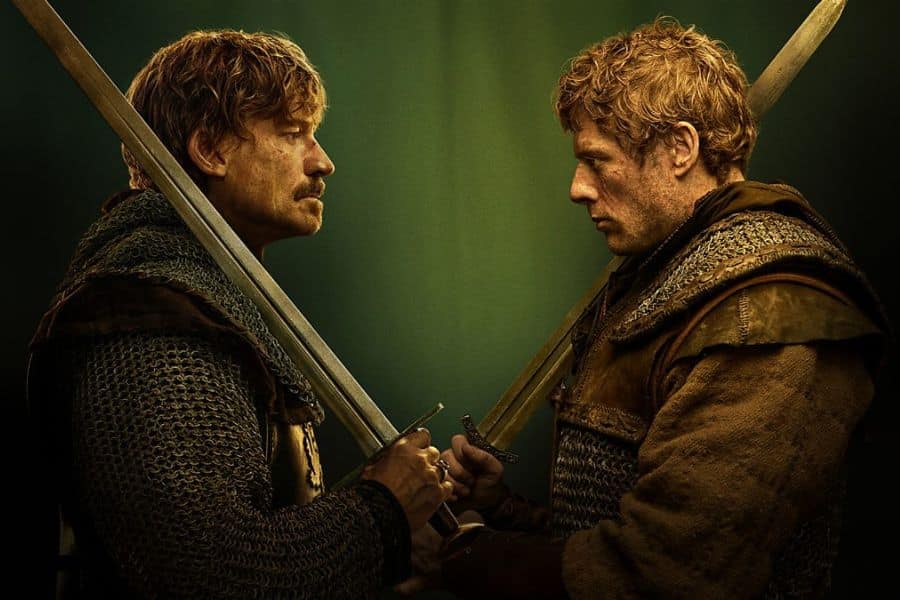
The indoor scenes are murky, which may be a deliberate stylistic choice, but it ultimately makes everything look drab. The sets were completely unrealistic and bore no resemblance to the homes of powerful nobles. Grand halls should have been filled with tapestries, carved furniture, and the wealth of the age, but what we saw looked more like a modern farmhouse than a medieval stronghold. There’s not a wall hanging in sight, and even the drinking cups are wrong.
The costumes were no better. Why didn’t the women have wimples on? They’d never have walked around bareheaded in that way. The nobles looked scruffy with no finery, and the leather looked modern.

Hooked on the Middle Ages? Get more stories like this one in your inbox.
A Drifting Storyline
Then there’s the storyline, which drifts all over the place. It’s as if they selected a few historical names and then inserted them into random scenes, accompanied by dramatic music and fight sequences. Some of the events didn’t even happen.
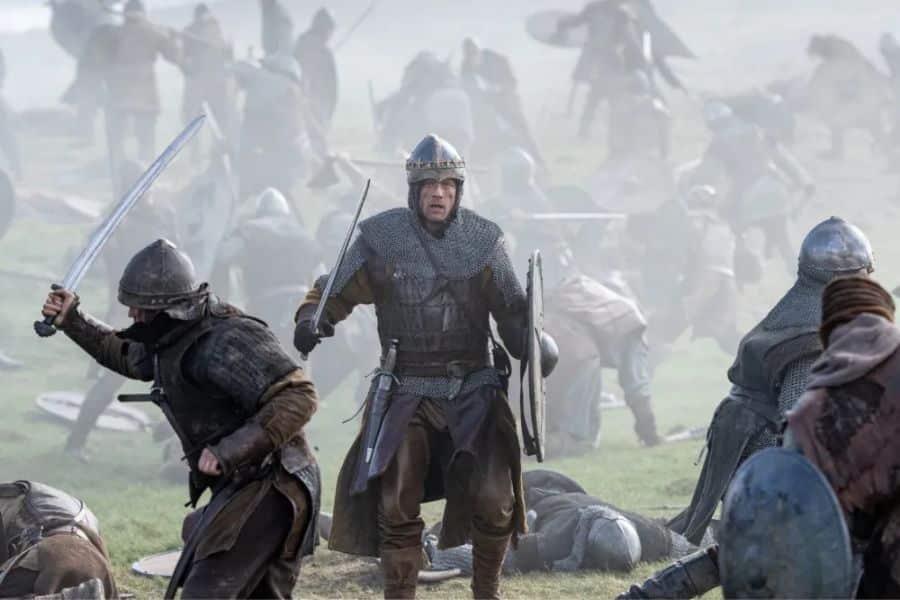
One scene was so absurd, I had to pause it. It’s a battle sequence meant to throw Harold and William together early, but it makes absolutely no historical sense. If you know the real story, it’s laughable. If you don’t, it still feels confusing. The fight choreography is intense and bloody, which might keep some people watching, but it does nothing for accuracy.
And don’t even get me started on William. The show opens with him on foot during the Battle of Hastings, screaming for Harold to come fight him one-on-one. In the wrong costume. It was baffling. Then Harold sheathes his sword with blood still dripping from the hilt to the tip. Anyone who’s ever handled a weapon knows you’d never do that.
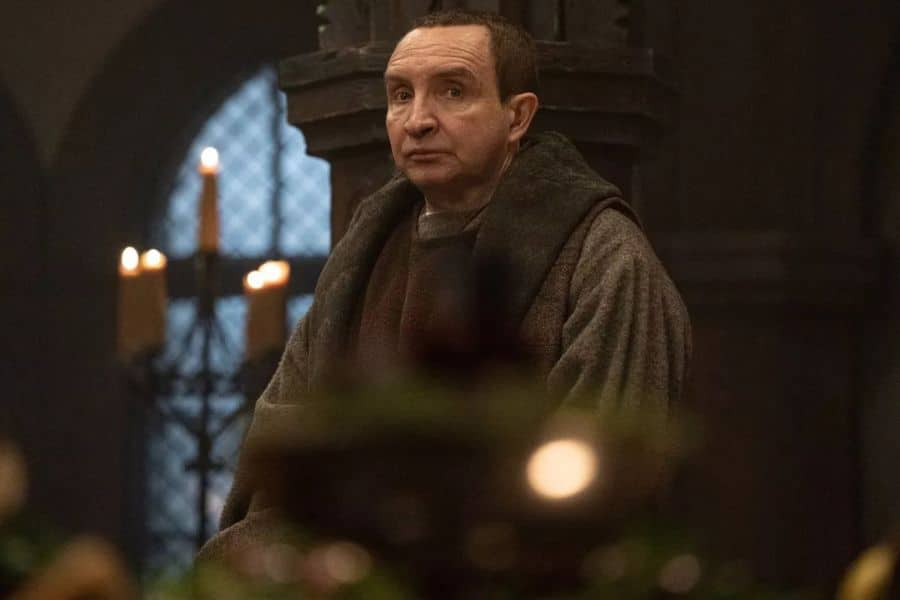
Then there’s Edward the Confessor. I’m a fan of Eddie Marsan, but he was the completely wrong actor for the part, and the way they’ve written him is just bizarre, with no resemblance to the man I read about in my history A Level.
The bit that really got me was when Harold rode into London. Or should I say a few huts in a muddy enclosure that we were told was London. Honestly, it looked like something out of a low-budget student film.
All in all, I struggled to get through the first episode and forced myself to sit through the second. None of it flowed, and it was so confusing I struggled to understand what was going on. Knowing the history of this period didn’t help either, as it was so far away from what actually happened.
The Most Historically Inaccurate Scene
One scene that had me almost shouting at the screen was the so-called death of Emma of Normandy. In the show, she’s painted as this overbearing presence clinging to power, until Edward suddenly lashes out and kills her himself. It’s staged like some shocking twist from a fantasy series, and you can almost feel the writers rubbing their hands together, thinking how dramatic it would look.
The problem is, it never happened. Not even close. In real life, Edward certainly pushed his mother aside politically. He took back her lands and moved her into quiet retirement in Winchester, where she lived until 1052. She died peacefully in her seventies and was buried next to Cnut, her second husband.
So there it is: a moment that’s meant to land as a shocking twist is actually one of the most glaring examples of dramatic licence gone too far.

Critics Weren’t Convinced Either
It’s not just history buffs who’ve been left disappointed. The professional critics have had plenty to say as well, and most of it hasn’t been glowing. The Times admitted the show is all over the place historically, but suggested it might still pass as entertainment if you switch your brain off and enjoy the spectacle.
The Guardian was less forgiving. They found the pacing slow, the storytelling muddled, and the whole production strangely cautious. For a series that set out to tackle one of the most dramatic moments in English history, it somehow manages to play things too safe.
Then there’s the Financial Times, which didn’t hold back, calling the whole thing a “royal mess.” That phrase has been repeated frequently online, and it accurately sums up the mood of many viewers.
What all these reviews have in common is a sense of confusion. Even the critics who want to like the series struggle to pin down what it’s trying to be. It lurches from serious to violent to emotional, with bursts of sword-swinging chaos clearly designed to chase the Game of Thrones crowd. In the end, it doesn’t land anywhere solid.
What Viewers Are Saying
Scroll through Reddit or Facebook, and you’ll see plenty of frustration. The dim lighting is a constant complaint, with viewers saying that whole scenes are so dark they can barely make out what’s going on. Add to that muddled sound and dialogue, which I struggled with too, as I couldn’t understand what they were saying half the time.
Many people admit they’re left confused about who’s who and what exactly is happening. Then there are the inevitable debates about accuracy. Some fans are furious that the story plays so fast and loose with the facts, calling it disrespectful to the real history. Others shrug it off and argue it’s meant to be entertainment, not a textbook.
The divide really comes down to what people want on a Sunday night. Some crave a gritty medieval epic with all the detail, while others just want to kick back and enjoy sword fights and political scheming, no matter how messy the history may be.
Will I Keep Watching?
For all its faults, I will continue watching King & Conqueror, though only in small doses, as I’m now fascinated to see if it manages to improve. The cast is strong, but the show keeps collapsing under the weight of its own mistakes. It’s messy, confusing, and often laughable, yet part of me wants to see how they handle the rest of the story. Are you watching it too? Do you find it entertaining, or are the inaccuracies driving you mad?
Love a good medieval story?
Join our readers and get tales of kings, queens, castles and ordinary medieval lives straight to your inbox.

Kylie Lang is a nationally syndicated travel journalist with bylines on the Associated Press Wire & more, a medieval history writer, and the founder and lead author of Tales of the Middle Ages (talesofthemiddleages.com). She holds a BA (Honours) in History from the University of Kent and is a member of the British Guild of Travel Writers.
Related posts:
 12 Strange and Surprising Truths About Harold Godwinson, England’s Last Saxon King
 The Norman Conquest: How 1066 Changed England and the Last Anglo Saxon King Met His Death
 10 Shocking Facts About the Battle of Hastings That History Books Don’t Tell You
 BBC Drama King & Conqueror Releases New Trailer & Airing Date