Chocolate didn’t exist in the Middle Ages, and desserts were nothing like they are now. Apple crumble and custard, knickerbocker glory and lemon meringue pie weren’t on the menu. So, what did you do if you had a sweet tooth?
We’ve all had those midnight cravings where we raid the cupboards looking for biscuits, sweets, and cakes to satisfy our need for something sweet to end the day on. It doesn’t even have to be midnight. If I go out for a meal, I’ll happily forgo a starter to save room for dessert.
Table of Contents
So, how would I cope if I were to travel back in time to the medieval period? What would my chocolate substitute be, and what would the dessert menu look like in those days? Well, all I can say is I hope you like honey.

What Counted as Dessert in the Middle Ages?
There wasn’t a set “dessert course” like we’re used to now. No waiter arriving with a tray of sweets, no menu full of options involving chocolate sauce or salted caramel. But medieval people did crave something sweet. Rich or poor, if there was honey to be had, it didn’t last long.
For the nobility, sweetness came at the end of a feast, but it was more about show than satisfaction. These were the grand finale dishes known as “subtleties,” and they weren’t always subtle. They included things such as sugar paste molded into swans or castles, marzipan fruits, or towers made of almond milk jelly and dyed breadcrumbs. They were painted with gold leaf, shaped like mythical beasts, and paraded into the hall between courses to impress everyone from your neighbors to the visiting bishop.
Peasants had fewer options, unsurprisingly. Fruit straight from the tree, berries in summer, a spoonful of honey when it could be spared. Sometimes they baked simple tarts with whatever they had. They needed a bit of sweetness to break up the routine of barley and cabbage. If you were lucky, you might come across someone with a knack for turning apples and oats into something that felt a little special.
7 Ways Medieval People Got a Sugar Fix
1. Sweet Survival: Why Honey Was the Go-To Treat
If you had a sweet tooth in the Middle Ages, honey was your best friend. It was used across all classes, although how you obtained it depended on your social standing. The rich had access to their own hives, often kept in monastery gardens or manor estates, while the poor had to forage or buy it, assuming they had the coin to spare.
Bees were precious. Not just for their honey, but for the wax, which went into candles, salves, and sealing letters. Keeping bees was no hobby either. You needed patience, some skill, and a tolerance for being stung. But the payoff was worth it. A spoonful of honey could go into almost anything, spooned into oatcakes, stirred into warm milk, glazed over roasted meat, or licked straight off a knife.
It wasn’t just for flavor, either. Honey was used in medicine, believed to have healing powers. Got a sore throat? Mix it with herbs. Trouble sleeping? Heat it up in a drink.
Fun fact: Some honey was mixed with vinegar and herbs to make a sweet-and-sour syrup called oxymel. It was used for everything from digestion to a general pick-me-up. Sweet, sharp, and medieval to the core.
But what did you do if, like me, you don’t like honey?

2. Candied Fruit and Nuts Were the Medieval Sweet Shop
If you didn’t like honey but still wanted a treat, candied fruit and nuts were the next best thing. These were the medieval version of a pick-and-mix, though the mixing happened in manor kitchens, not sweet shops. Wealthier households had the tools to boil fruit in honey or syrup, then dry it out so it lasted. The result? Sticky-sweet pieces of quince, pear, plum, or fig that could be nibbled days or even weeks later.
Almonds were especially popular. They were turned into marzipan for special occasions or pressed into pastries with a hint of honey. In noble households, marzipan was shaped into animals or flowers and painted with bright dyes to decorate the table.
For the lower classes, dried fruit was still within reach, especially during harvest seasons or around religious festivals. If someone was generous or good at preserving, you might get a handful of spiced nuts or honey-dried apples handed to you on a feast day.
Fun fact: Almonds were so essential to medieval cooking that they were imported in bulk and used in everything from sauces to desserts.
Hooked on the Middle Ages? Get more stories like this one in your inbox.
3. Spices Made Everything Taste Sweeter
If you were lucky enough to have access to spices in the Middle Ages, you used them wherever you could, especially when trying to make something taste sweet. Cinnamon, nutmeg, ginger, and cloves were prized for their flavor, their supposed health benefits, and the way they could transform bland or boring food into something you actually looked forward to eating.
In noble kitchens, spices were mixed with sugar or honey to create sweet sauces, added to pies, or stirred into wine. Even a pinch was enough to lift a basic dish into something memorable.
Some combinations sound strange today. Pepper and sugar were often blended together, especially in dishes like spiced wine or honey cakes. And ginger, far from being reserved for cookies, was used in sauces for meat, sweet pastries, and even cheese.
Fun fact: Spices were so valuable that some were kept in locked spice cabinets. A cook’s reputation often depended on how well they used the spice stash without wasting it.

4. Medieval Cakes and Pastries (Without the Frosting)
If you’re picturing layer cakes with frosting and candles, forget it. Medieval cakes were more like dense spiced breads or sticky fruit loaves. They didn’t rise much, they weren’t overly sweet, and they didn’t come with icing swirls. But for the people eating them, they were still a treat, especially when flavored with honey, dried fruit, or the odd handful of crushed nuts.
In noble kitchens, tarts filled with custard, pears, or almond cream were popular, especially during feast days. The crust was often made with animal fat or oil, depending on whether it was a fasting day or not. You might get a fig tart at Christmas, or something filled with eggs and spices during Lent, still sweet, but shaped by religious rules and whatever ingredients were on hand.
Peasants didn’t have access to fine flour or fancy fillings, but they made do with what they had. Oatcakes sweetened with a bit of honey or mashed fruit were a common treat.
Fun fact: Medieval gingerbread was more of a chewy spiced paste than the crisp cookies we know today. It was sometimes pressed into wooden molds and served in chunks, full of flavor.

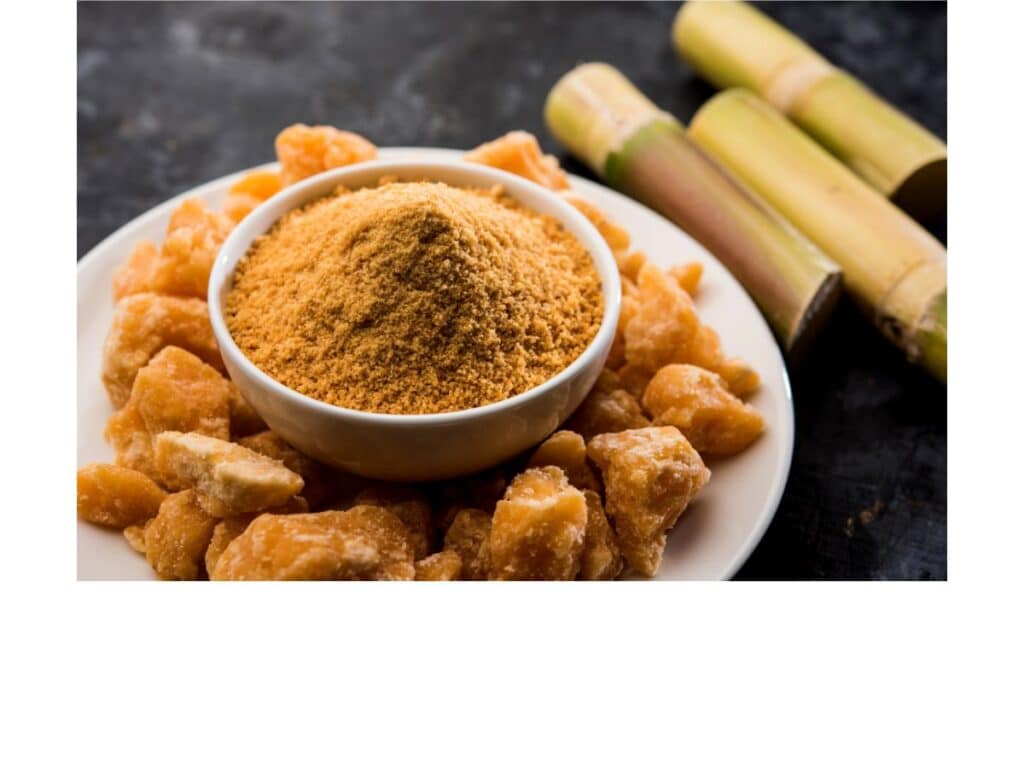
5. Sugar Was a Luxury Import (And They Thought It Was Medicine)
Sugar originated from the Middle East in the early Middle Ages, arriving in rough lumps and being sold not in markets, but in apothecaries. That’s right, sugar was considered medicinal. If you had stomach troubles, headaches, or a sore throat, a spoonful of sugar really did make the medicine go down, as it was the medicine. If only that were the case now I’d be a happy girl.
Fun fact: Sugar was so precious that wealthy households often kept it in locked boxes just like spices. The person with the key? Usually, the lady of the house or her most trusted servant.

6. Sweet Drinks Were Their Dessert
Sweet drinks were a regular part of medieval life, especially for those who could afford a pantry full of spices and a cellar full of barrels. For nobles, ending a feast with spiced wine or honeyed ale was just as important as the food that came before it. It wasn’t just about taste; it helped with digestion, or so they believed.
One popular drink was hypocras, a red wine steeped with cinnamon, ginger, cloves, and sugar. It was usually strained through a cloth bag and served warm. It was like mulled wine, but with more of a kick. Mead was another favorite, fermented honey mixed with water, sometimes flavored with herbs. It was sweet, strong, and a regular feature at feasts, weddings, and anything else worth celebrating.
Even the monasteries got in on it. Monks brewed spiced ales and herbal infusions, sometimes adding a spoonful of honey for good measure. Posset, a warm milk drink mixed with ale or wine, was also popular in colder months.
Fun fact: Some recipes for hypocras called for crushed pepper and dried violets, adding a touch of flair and possibly masking a rough batch of wine.
So, Would Honey and Candied Fruit Curb the Sweet Craving For You?
If you were hoping for chocolate mousse or a scoop of vanilla ice cream, sorry. Medieval desserts were a different beast entirely. They were sticky, spiced, and often more about what you could get than what you wanted. But whether it was a honey oatcake by the hearth or a molded sugar swan at a noble feast, sweet things still had their place.

Love a good medieval story?
Join our readers and get tales of kings, queens, castles and ordinary medieval lives straight to your inbox.

Kylie Lang is a nationally syndicated travel journalist with bylines on the Associated Press Wire & more, a medieval history writer, and the founder and lead author of Tales of the Middle Ages (talesofthemiddleages.com). She holds a BA (Honours) in History from the University of Kent and is a member of the British Guild of Travel Writers.