Imagine waking up before dawn, and hearing the church bells echo through your village. Before you even start your day, there’s a prayer to say, a ritual to follow, and the ever-present reminder that every action you take could determine the fate of your soul. Welcome to the medieval world—where religion wasn’t just part of life, it was life.
When God Was Your Netflix
Forget binge-watching – medieval people binge-prayed. Church walls were medieval IMAX theaters, plastered with vivid scenes of heaven and hell. These weren’t your gentle Sunday school paintings. We’re talking full-color torture porn: demons eating sinners, saints being grilled alive, and angels with flaming swords ready to judge your every move.
Table of Contents
These images kept people awake at night and compliant during the day. Miss confession? That demon eating a sinner’s intestines could be you. Steal from your neighbor? Hope you enjoy being boiled in that giant cauldron of oil in the church mural.
The Church Was Everywhere (Literally)
It didn’t matter if you were a peasant, a merchant, or a noble—religion dictated your daily routine. Churches weren’t just places of worship; they were the center of everything. Need legal help? Head to the church.
Looking for a hospital? Monks and nuns had that covered. Education? The Church ran the only schools available. If you wanted to marry, confess your sins, or even be buried, the Church had the final say.
Oh, and let’s not forget the towering cathedrals that dominated medieval skylines. These weren’t just places to pray; they were architectural flexes, showcasing a town’s wealth, devotion, and just how good they were at building things that took centuries to complete.
The Weekly Schedule Revolved Around the Church
Forget the modern weekend. The medieval week was structured around religious observances:
- Sunday: Mandatory church service (unless you wanted to risk eternal damnation).
- Holy Days & Saints’ Days: These were sprinkled throughout the calendar, giving people a much-needed break from work (but not from church attendance).
- Fasting & Feasting: Lent, Advent, and countless feast days meant strict dietary restrictions one day and all-you-can-eat celebrations the next.
Even the smallest tasks were tied to faith. Before meals? Say a prayer. Finished plowing a field? Thank God. Thunderstorm rolling in? Pray harder.
The Original Influencers: Saints and Their Merch
Medieval saints weren’t just holy figures – they were supernatural celebrities with marketing machines that would make modern influencers jealous.
Every saint had their niche market, complete with branded merchandise, viral miracle stories, and devoted fan bases that would put Taylor Swift’s followers to shame. Saints were medieval celebrities, complete with merchandising. Each saint had their specialty:
- St. Fiacre for hemorrhoids (because someone had to do it)
- St. Barbara for protection against lightning
- St. Anthony for finding lost stuff (still popular today)
- St. Agatha for breast-related issues (yes, really)
People collected saints’ relics like Pokemon cards. A finger bone here, a tooth there – the more, the holier. Some churches claimed enough pieces of the True Cross to build a small forest.
Hooked on the Middle Ages? Get more stories like this one in your inbox.
Fear and Faith Went Hand in Hand
If there was one thing medieval folks knew for sure, it was that the devil was real, sin was everywhere, and hell was not a place you wanted to end up. This wasn’t just religious theory—it was a daily reality.
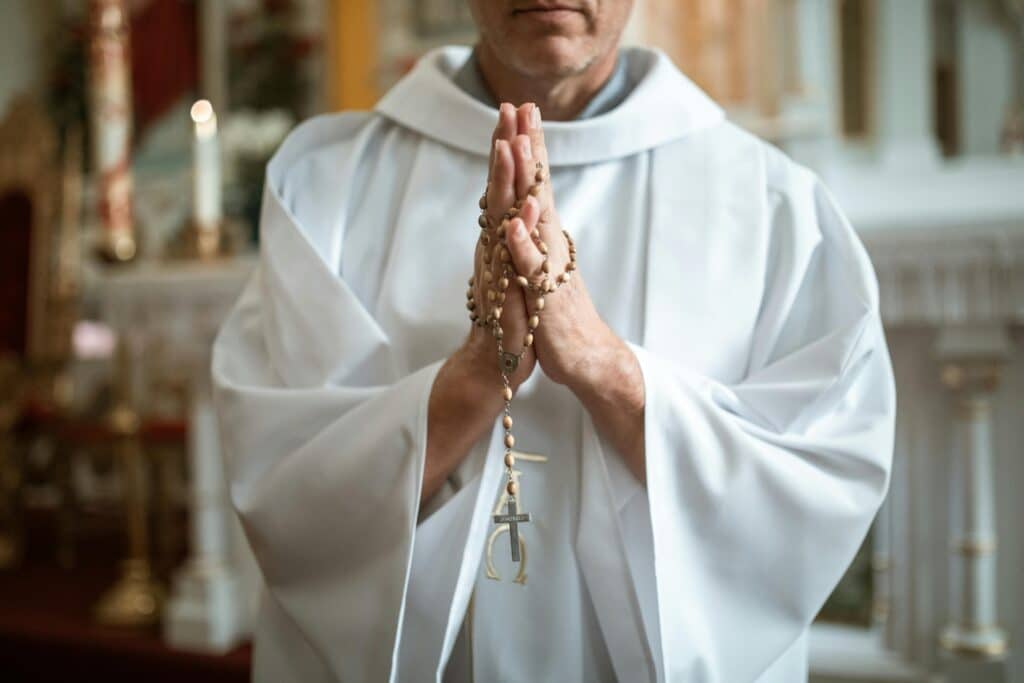
Priests and monks preached about fire, brimstone, and eternal suffering, keeping everyone on their toes (and on their best behavior, at least in theory). The fear wasn’t just about the afterlife, either.
Disease, famine, and war were seen as divine punishments. If the crops failed or the plague rolled into town, people didn’t just look for a scientific explanation (not that they had many). Instead, they asked, What did we do to make God so angry?
Monks, Nuns, and the Ultimate Commitment
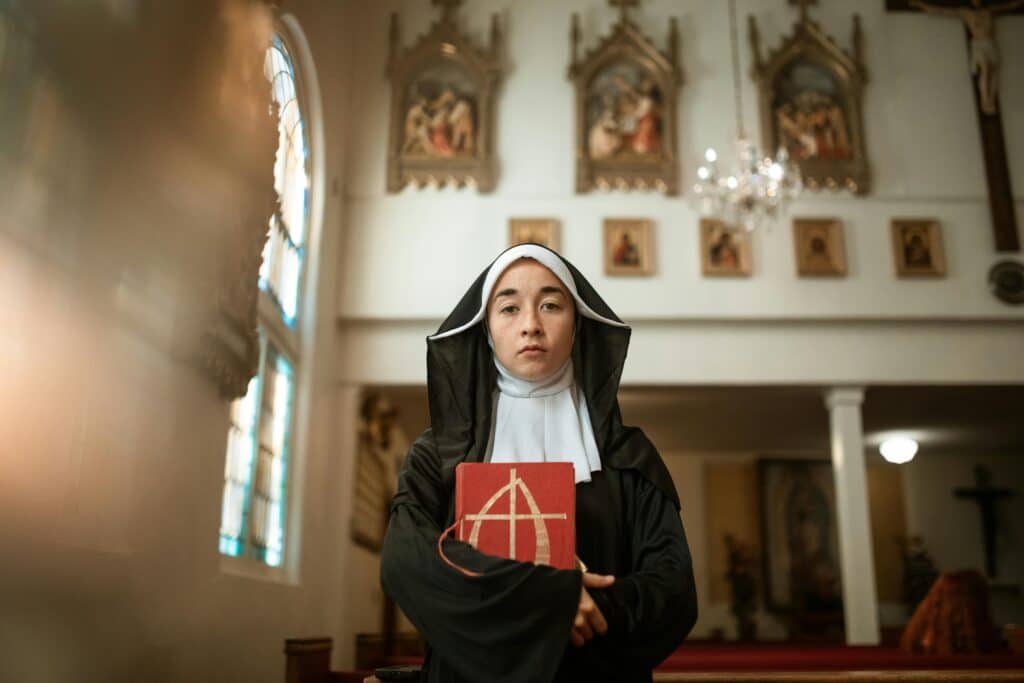
For those who wanted to devote themselves entirely to religion, monasteries and convents were the way to go. Becoming a monk or a nun wasn’t just a career choice—it was a lifelong commitment. Days were spent in prayer, study, and hard labor, with strict rules that made even the most disciplined modern routine look lazy.
But monastic life wasn’t all doom and gloom. Monks preserved ancient texts, advanced medical knowledge, and brewed some of the finest medieval beer (a perk they probably didn’t advertise too loudly).
Relics, Pilgrimages, and the Business of Faith
Owning a relic—a bone, a piece of cloth, or even a drop of blood from a saint—was like having a direct hotline to heaven. The more impressive the relic, the more miracles it was believed to perform.
Some churches even competed to have the best collection, drawing pilgrims (and their money) from miles around. Speaking of pilgrims, traveling to a holy site was a common (and sometimes dangerous) way to rack up spiritual points.
Whether it was a short journey to a local shrine or a months-long trek to Canterbury, Rome, or even Jerusalem, people believed the hardships endured on the road would help cleanse their souls. Plus, it was probably the closest thing medieval people had to a vacation.
The Dark Side of Religious Power
Of course, not everything about medieval religion was about faith and devotion. The Church wielded massive political power, often getting involved in wars, land disputes, and royal affairs.
Corruption ran deep—some clergy lived more like kings than servants of God, and selling indulgences (basically, a ‘get out of purgatory’ pass) became a lucrative business.
And let’s not forget the Inquisition. Accusations of heresy could land you in serious trouble—trials, torture, and execution weren’t out of the question. If you happened to believe something that clashed with official doctrine, you either kept quiet or risked becoming an example of what not to do.
The Power of Prayer (And Politics)
Medieval religion and politics were as tangled as headphone cords in your pocket. Kings claimed God personally handed them their crowns, while popes casually mentioned they could unlock or bar heaven’s gates for entire kingdoms. Imagine your local priest having more power than the president – that was medieval reality.
The Church played chess while everyone else played checkers. They controlled education, literacy, and the largest bank account in medieval Europe. Want to declare war? Better get papal approval.
Planning to marry your cousin to secure an alliance? That’ll cost you a church dispensation (and a hefty donation). Even divorce required religious permission – just ask Henry VIII how that worked out.
Bishops weren’t just religious leaders; they were medieval power brokers with private armies and more land than most nobles. Some wore armor under their robes and led troops into battle, proving that medieval priests took “fighting for your faith” quite literally.
So, Could You Handle Medieval Religious Life?
Think modern life is stressful? Imagine trying to navigate a world where missing Mass was a sin, fasting was required for weeks at a time, and even the weather could be seen as a divine punishment.
Religion in medieval times wasn’t just about personal belief—it was a force that controlled everything from birth to death (and beyond). Love it or fear it, one thing’s for sure: no one in the Middle Ages ever questioned whether faith mattered.
Love a good medieval story?
Join our readers and get tales of kings, queens, castles and ordinary medieval lives straight to your inbox.

Kylie Lang is a nationally syndicated travel journalist with bylines on the Associated Press Wire & more, a medieval history writer, and the founder and lead author of Tales of the Middle Ages (talesofthemiddleages.com). She holds a BA (Honours) in History from the University of Kent and is a member of the British Guild of Travel Writers.