Ever wondered what life was like in medieval times, beyond the knights and castles? Believe it or not, music and art were more than just entertainment—they were powerful forces that shaped medieval society.
From the royal courts to the village squares, these two elements were at the heart of everything. Let’s dive into how music and art influenced everything from politics to religion and the everyday lives of peasants.
Table of Contents
Music: More Than Just a Tune
You probably think of medieval music as slow, church-like chanting or awkwardly plucked strings. But in reality, music was everywhere. From the grand churches to the bustling market squares, music was a core part of public and private life. And it wasn’t just for entertainment—people believed music had real, magical powers.
In the Church
Gregorian chants, for example, weren’t just beautiful—they were considered a direct link to heaven. Monks would chant in Latin, their voices rising and falling in a way that was meant to draw the listener into a divine trance.
Music was central to religious services, prayers, and rituals. It wasn’t just about the performance—it was about creating a sacred atmosphere that brought the churchgoers closer to God.

In the Courts
When it wasn’t about religion, music was about status. Lords and ladies hired minstrels, troubadours, and jongleurs to perform in their courts, often to accompany banquets or courtly love rituals.
These musicians weren’t just playing for fun—they were sending a message about who they were. To have a talented performer in your court was a symbol of wealth and refinement.
Folk Music
For the common folk, music was still deeply integrated into daily life. But unlike the formal compositions heard in churches or courts, folk music told the stories of ordinary life—love, loss, work, and play.
In a world where books were rare and literacy was limited, music was one of the primary ways stories and traditions were passed down.
Hooked on the Middle Ages? Get more stories like this one in your inbox.
Art: More Than Just a Pretty Picture
It’s easy to think of medieval art as stiff and formal, but that’s missing the point. In medieval society, art wasn’t about creating aesthetically pleasing objects—it was about communicating important truths.
Everything from the intricate illustrations in manuscripts to the massive cathedral paintings had meaning, often religious, political, or educational.
Religious Art
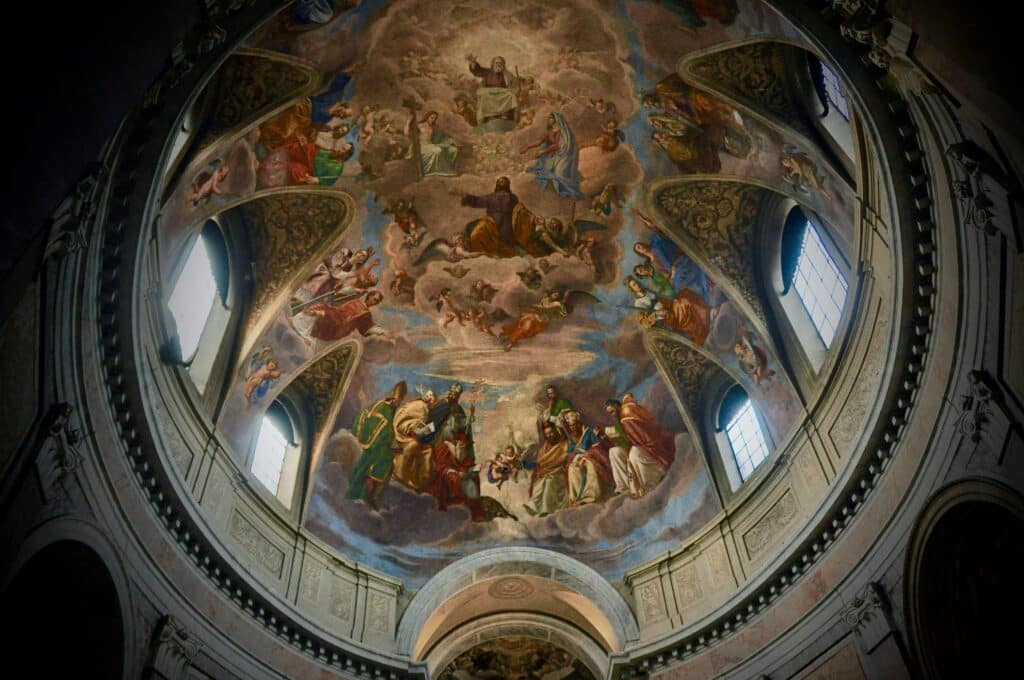
Much of the art during the medieval period was created for religious purposes. The walls of churches and cathedrals were covered with vibrant depictions of Biblical stories and saints.
These paintings weren’t just decoration—they were tools for teaching the illiterate. The church was often the only place where people could see and engage with the stories of their faith, and art played a vital role in making those stories come alive.
Political Art
Kings, nobles, and wealthy families also used art to communicate their power and influence. From grand tapestries hanging in royal halls to portraits that made their subjects appear god-like, art was an essential propaganda tool.
When rulers commissioned works of art, they were ensuring that their power and glory would be remembered for generations.
Secular Art
While much medieval art was religious, secular art also played a key role, especially in the later Middle Ages. Illuminated manuscripts and tapestries depicted everything from hunting scenes to courtly love, often blending the sacred with the everyday.
These works weren’t just for the rich; as time went on, the rising middle class began to commission art for their homes, too.
The Mystical Power of Music and Art
Medieval people didn’t just think art and music were beautiful—they believed they had mystical, almost supernatural power. Music wasn’t just for lifting the spirits—it was believed to heal the sick, ward off evil, and even predict the future.
Art, likewise, wasn’t just decorative. Religious images were thought to carry the blessing of the saints, offering protection or a direct connection to God.
Healing Music
Medieval doctors often recommended music as a form of medicine. Different melodies, rhythms, and harmonies were believed to have healing properties.
For example, music in the “Lydian mode” was considered to be especially effective at soothing the soul and promoting calmness. You could literally go to a healer and get prescribed a tune to make you feel better.
Art as Protection
Many medieval homes displayed religious images, hoping to keep evil spirits at bay. And it wasn’t just the rich who had religious art—simple folk also believed in the protective power of images.
Some people even carried religious icons or wore amulets depicting saints to protect themselves from disease or bad luck.
Art and Music: The Heartbeat of Medieval Festivals
Festivals in the medieval period weren’t just about food and drink—they were massive, community-wide events filled with music, dance, and, of course, art. From harvest festivals to religious celebrations, art, and music were central to the atmosphere of any public gathering.
Feasts and Celebrations
At a medieval feast, the music never stopped. Minstrels and dancers would perform all night long, and the guests (especially the nobility) would participate in courtly dances. It was a way to show off wealth, poise, and culture.
Religious Festivals
Even religious festivals weren’t just about prayer—they were about creating a communal, sensory experience. Churches would be decorated with flowers, banners, and paintings, while musicians would play hymns and chants to raise the spirits of the gathered faithful.
The Legacy of Medieval Music and Art
Though medieval music and art may seem distant or alien to us today, their influence is still with us. Classical music, Renaissance art, and even modern pop culture owe a debt to the creativity and innovation of medieval artists and musicians.
Classical Music
The roots of Western classical music can be traced back to the Gregorian chant and the early polyphony that developed in medieval monasteries. The complex harmonies and musical structures we take for granted today have their origins in the Middle Ages.
Art History
Medieval art set the stage for the explosion of creativity in the Renaissance. The attention to detail, the symbolism, and the use of perspective all laid the groundwork for the masterworks of artists like Leonardo da Vinci and Michelangelo.
The Dark Side of Medieval Fame
Being a successful artist came with serious risks. One court musician, Richard Blondel, spent years searching through every castle in Europe, playing a specific tune outside each one. Why? He was looking for his imprisoned patron, Richard the Lionheart, who would recognize the song and respond. (Spoiler: It actually worked.)
Then there were the artisans who created masterpieces that still survive today – and got paid in promises and leftover food. Many died in poverty, while their works now sell for millions.
So, What Role Does Music and Art Play in Your Life?
Medieval music and art weren’t just for kings and priests—they were for everyone. Whether for religious, social, or personal reasons, art and music shaped every aspect of medieval life. Today, we still turn to music and art to express ourselves, to heal, and to connect with something greater than ourselves.
So, next time you listen to a song or admire a piece of art, remember: that you’re participating in a tradition that’s been alive for over a thousand years. What role do art and music play in your life today? Let me know in the comments!
Love a good medieval story?
Join our readers and get tales of kings, queens, castles and ordinary medieval lives straight to your inbox.

Kylie Lang is a nationally syndicated travel journalist with bylines on the Associated Press Wire & more, a medieval history writer, and the founder and lead author of Tales of the Middle Ages (talesofthemiddleages.com). She holds a BA (Honours) in History from the University of Kent and is a member of the British Guild of Travel Writers.