One of the things I love about writing historical articles is the chance to discover characters from centuries ago who aren’t well-known or talked about. Well, not in the way the big guns are, such as Henry VIII, Charlemagne, Catherine de Medici, and Anne Boleyn, to name but a few. When you go a little deeper and pull back the curtain on medieval history, you start to uncover the people behind the big names.
Those people are just as interesting and often have stories that will have you on the edge of your seat. They aren’t shouted about in the same way, but they were often just as powerful. Many influenced the names we heard about in our history lessons at school.
Table of Contents
Today, I’m shining a light on one of those people: Ela of Salisbury, wife of William Longspee and distant relative of William Marshall.

Forget What You Think You Know About Medieval Ladies
Behind the throne, on the battlefield, in the cloister, and in court, medieval women shaped dynasties, funded crusades, and ran the show in ways history books have conveniently overlooked. It’s time to toss out the stereotypes and meet the real power players of the Middle Ages.
Ela of Salisbury was born into a life of privilege, yes, but in the 12th century, that didn’t come with peace and quiet. It came with land to manage, politics to navigate, and a constant stream of people trying to take what was yours.
Ela’s father was the Earl of Salisbury. When he died without a male heir, little Ela, still a child, suddenly became one of the most powerful heiresses in England. And if there’s one thing medieval kings didn’t like, it was a rich heiress running around without a leash. So what happened?
She was supposedly kidnapped by her uncle so he could take control of her inheritance. He took her to a castle in Normandy, where, according to legend, William Talbot, a young English Knight, went looking for her. In true Rapunzel style, he sang to her beneath her window, hoping to help her escape. I suspect this is just a story that has become a romantic legend through the centuries, but we’ll never know.
Be that as it may, the history books tell us that on her father’s death, Ela’s wardship passed into the hands of Richard the Lionheart, the King of England at the time. Like most kings, Richard was always on the lookout for strengthening his political alliances, not to mention wealth, and offered her hand in marriage to his illegitimate brother, William Longspée (or Longsword).
The King’s Bastard: Who Was William Longspee?
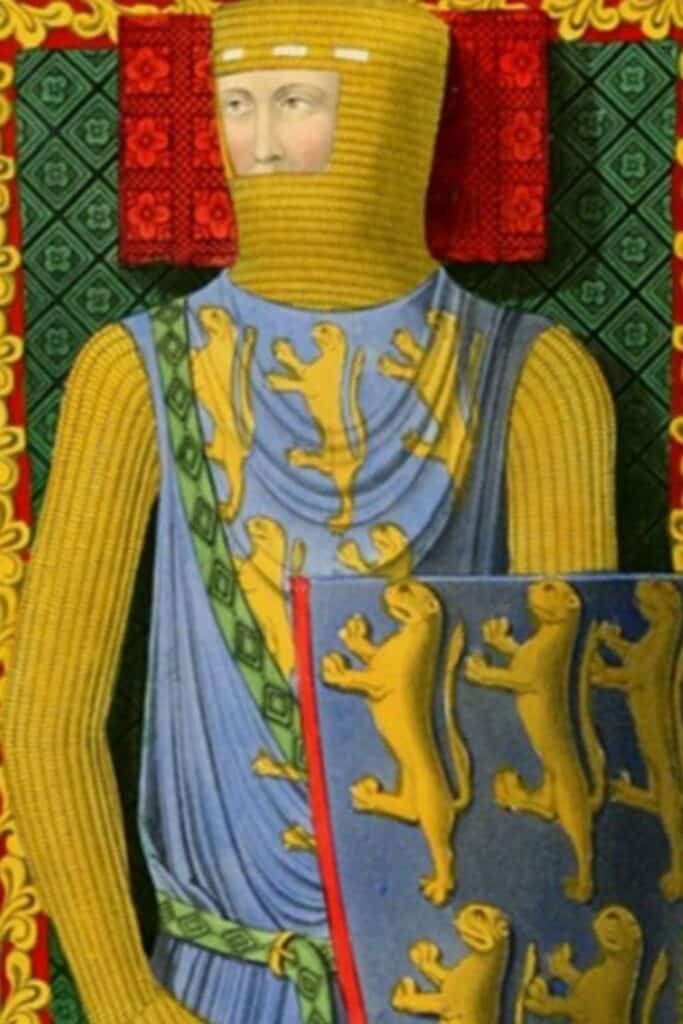
William Longspee was born around 1176, the illegitimate son of King Henry II. His mother, Ida de Tosny, came from a well-connected Norman family with a long track record of loyalty to the crown. Being the king’s mistress was likely not her idea, but she wouldn’t have had much choice in a court where women could be passed around to serve political interests. After her relationship with Henry ended, she was married off to Roger Bigod, the 2nd Earl of Norfolk.
That marriage forged an important future link. Ida’s son, along with the king, William Longspee, would one day be the stepbrother of the Bigod children. One of those children, Hugh Bigod, married Mahelt Marshal, daughter of William Marshal, the legendary knight and statesman.
When Ela married Longspee, she brought the title of Countess of Salisbury, a vast network of estates, and the kind of political weight that made her a major player in noble society. William gained all of that overnight. His new title, Earl of Salisbury, came entirely through Ela. He wasn’t born into it. He married into it.
But Longspee proved himself on the battlefield in campaigns in Normandy and Poitou and earned the nickname “Long Sword” because of the distinctive weapon he carried. He served as a military commander under Richard and John and was involved in everything from naval battles to diplomatic missions.
He also built ties with William Marshal beyond just shared in-laws. They served together during King John’s reign, particularly during the tensions that led to Magna Carta. Both men were trusted enough to act as advisors and enforcers, though Longspee’s star waned toward the end of his life. He died in 1226, suddenly and under suspicious circumstances. Poison was rumored. Nothing was proven.
Hooked on the Middle Ages? Get more stories like this one in your inbox.
The Marriage of Ela and Longspee
By 1196, the decision had been made. Ela would marry William Longspee. She was likely about ten or eleven when she was betrothed, and they probably married officially when she was in her early teens. That was normal in the 12th century, especially for noble girls. They weren’t raised to choose husbands. They were raised to be valuable pieces in a political game.
Ela’s marriage gave William his earldom and brought him straight into the upper ranks of English nobility. For Ela, it meant being expected to run estates and produce children. Their marriage was a working partnership, as most noble unions were.
They had eight or more children together, and at least five survived to adulthood. Childbirth in the 1200s was dangerous. There were no painkillers, proper hygiene, or real medical understanding.
Politically, William and Ela made a solid team, although not much is known about their relationship. From what we do know, they seemed to have a happy marriage, and together they held Salisbury together, traveled to court when needed, and navigated the shifting sands of royal politics.
Surviving King John: Loyalty, Land, and Living on the Edge
Being close to the crown in medieval England was never simple, but under King John, it was downright dangerous. You could be favored one week and ruined the next. John didn’t trust easily. And if he did trust you, that was almost worse because it came with expectations and often impossible demands. William Longspee, thanks to his royal blood and military service, stayed in John’s good graces longer than most. But even then, it was a balancing act.
William served as a royal envoy, helped command armies in France, and was named Sheriff of Wiltshire, a post with a lot of local power. But it also made him a target. Other nobles watched him closely, and John’s paranoia only worsened with age. He was known to demand hostages from his barons, seize their castles, or fine them into bankruptcy at the first hint of disloyalty.
In 1214, William was given command of a fleet during John’s efforts to reclaim Normandy. He fought at the Battle of Damme and gained some fame for his naval leadership, but the larger campaign failed. One of many missteps fueled the growing anger among English barons.
A year later, John was forced to accept the Magna Carta. William Longspee was one of the few men who stayed loyal during the rebellion. That loyalty mattered. He was trusted enough to negotiate with the pope on John’s behalf and continued to serve during the first stages of the civil war that followed.
Back home, all this political turmoil had a ripple effect. Ela had to keep the estate stable when William was off at court or war. That meant handling supplies, protecting their income, and staying on good terms with local clergy, knights, and tenants. She had to keep it all going while navigating a very tense political climate.

Managing a Legacy and Mourning a Husband
William Longspee died in 1226, and Ela took full control of her late husband’s lands and title, acting as Countess of Salisbury in her own right. This meant getting involved in legal disputes, land transactions, estate revenues, and political negotiations. Her seal appears on official documents from this period, showing that she was very much in charge.
And then she did something even more surprising. She became Sheriff of Wiltshire.
Let that sink in. In 13th-century England, while most women couldn’t legally own property after marriage without their husband’s say-so, Ela ran an entire county’s legal and financial system. She oversaw the king’s interests, enforced justice, and made sure the crown got its due. She wasn’t holding the position “for her son” or “until a man could take over.” She was doing the job. Full stop.
This wasn’t out of nowhere, either. By this point, Ela had decades of experience managing estates alongside William. She knew the business of running a household the size of a village. She knew the obligations tied to noble landholding, from military service to market rights. When William died, she simply stepped into the space she had already been helping to hold.
It’s easy to look at that and think she was an exception. But here’s the thing: there were more women like Ela than we often think. They just didn’t get the spotlight. The difference is that Ela left a paper trail. She signed charters. She witnessed grants. She showed up in court records. She made herself known.

The Nuns, the Abbey, and the Work Behind the Walls
In 1232, a few years after William’s death, Ela founded Lacock Abbey in Wiltshire. Founding a religious house gave noblewomen a way to shape their legacy, gain spiritual credit, and keep influence over land and local affairs. It also gave them an institution they could control, down to who was admitted, how it was run, and what it represented.
Sometime after her children were grown and settled, she took the veil and became a nun at Lacock. Not long after, she became the abbess. That gave her full authority over the abbey’s property, daily operations, and spiritual direction. It also gave her the power to sign contracts, go to court, and negotiate on behalf of her sisters. So while her clothing may have changed, her role as a leader hadn’t.
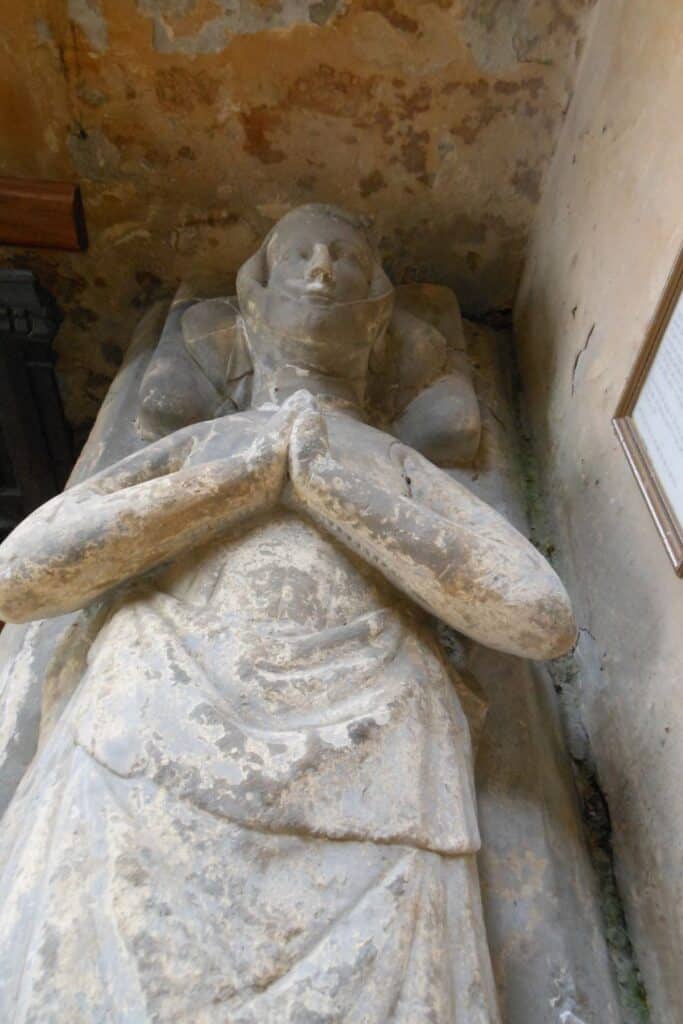
She lived at Lacock for nearly three decades, shaping it into one of the most respected religious houses in the region. By the time she died in 1261, she had outlived her husband by 35 years, seen her children marry into powerful families, and created a place that still stands today. Her tomb was placed in the abbey church, near the altar.
What Ela Left Behind
By the time Ela died in 1261, she had lived through five kings, eight pregnancies, and the founding of an abbey that would carry her name long after she was gone. She wasn’t famous. She didn’t write her memoirs or command armies. But she used every ounce of the power she had.
What she left behind was proof that women in the Middle Ages didn’t have to be queens to change the course of their world. Ela held land, governed people, made legal decisions, and founded an institution that outlasted her by centuries. And she did all this in a world that constantly tried to push women to the edges.
Love a good medieval story?
Join our readers and get tales of kings, queens, castles and ordinary medieval lives straight to your inbox.

Kylie Lang is a nationally syndicated travel journalist with bylines on the Associated Press Wire & more, a medieval history writer, and the founder and lead author of Tales of the Middle Ages (talesofthemiddleages.com). She holds a BA (Honours) in History from the University of Kent and is a member of the British Guild of Travel Writers.
Related posts:
 William Marshall, the Greatest Knight Who Ever Lived. But Who Was the Man Behind the Legend?
 5 Things the History Books Do Not Tell You About William the Conqueror
 The Forgotten Daughter of Eleanor of Aquitaine: Joanna Plantagenet Survived Betrayal, Crusades, and Imprisonment
 King John: The Rise and Fall of England’s Most Despised Monarch