When most people think of medieval monarchs, the spotlight falls on the usual suspects. Charlemagne. The Black Prince. And Richard the Lionheart. They’ve got castles, cathedrals, and costume dramas dedicated to them. But just outside that spotlight are the rulers whose stories rarely get told. They didn’t always win the biggest battles or carve out massive empires, but they were in the thick of it, making decisions that sent history down a different path from what otherwise might have been.
These were actual rulers. Some had short reigns, some led from the sidelines, and others were pushed aside by more powerful neighbors. But all of them had the right mix of timing, talent, or sheer determination to leave a much bigger mark than they did.
Table of Contents
So if you’re the kind of person who likes the lesser-known chapters of the past, or just wants to meet the monarchs who got overshadowed by history’s headline acts, you’re in for a treat.

The Enigmatic King Wihtred of Kent: A Potential Powerhouse
Wihtred of Kent ruled in the early 8th century when most records were scratched onto whatever was lying around, and even monks were still figuring out how to spell things. Wihtred isn’t a household name because he didn’t lead bloody battles or claim massive chunks of land. But he did bring a sense of calm and clever rule to one of England’s oldest kingdoms at a time when chaos was pretty standard.
Wihtred ruled from around 690 to 725 and actually issued one of the oldest surviving law codes in Anglo-Saxon England. It gave the Church some serious legal perks and protection, which helped keep the peace in an age when kings and bishops were usually at each other’s throats. He also kept Kent from being swallowed up by the more aggressive neighboring kingdoms like Mercia, which was no small feat.
Most importantly, he established an inheritance and royal authority framework that influenced the region long after his death. Wihtred laid legal groundwork that stuck.
Louis II of Italy: The Carolingian Who Held the Line
Louis II of Italy doesn’t appear in many medieval documentaries, but he was the only Carolingian emperor who ruled solely over Italy. He took the throne in 844 and spent most of his reign defending the Italian peninsula from Saracen raids while juggling tricky alliances with the Pope, the Byzantines, and other Frankish rulers.
He ruled for nearly 30 years, yet most people have never heard his name. He launched and led multiple campaigns to drive Saracen pirates out of southern Italy, even capturing Bari in 871 after years of fighting. It was a huge win for Christian forces in the region.
He also reinforced ties with the Eastern Roman Empire and tried to bridge the gap between the Latin West and the Greek East. Louis didn’t get the sprawling empire his grandfather Charlemagne had, but he held together what he could during one of the most unstable periods in early medieval Europe. Without him, Italy could have splintered even sooner than it did.
Ögedei Khan: The Empire Builder You Probably Skipped Over
Ögedei Khan doesn’t get nearly as much attention as his father, Genghis Khan, or his nephew Kublai, but he was the one who turned the Mongol Empire into the largest continuous land empire in history. While Genghis did the groundwork, Ögedei made it functional. He ruled from 1229 to 1241 and spent most of his reign organizing, expanding, and managing what was already a massive territory.
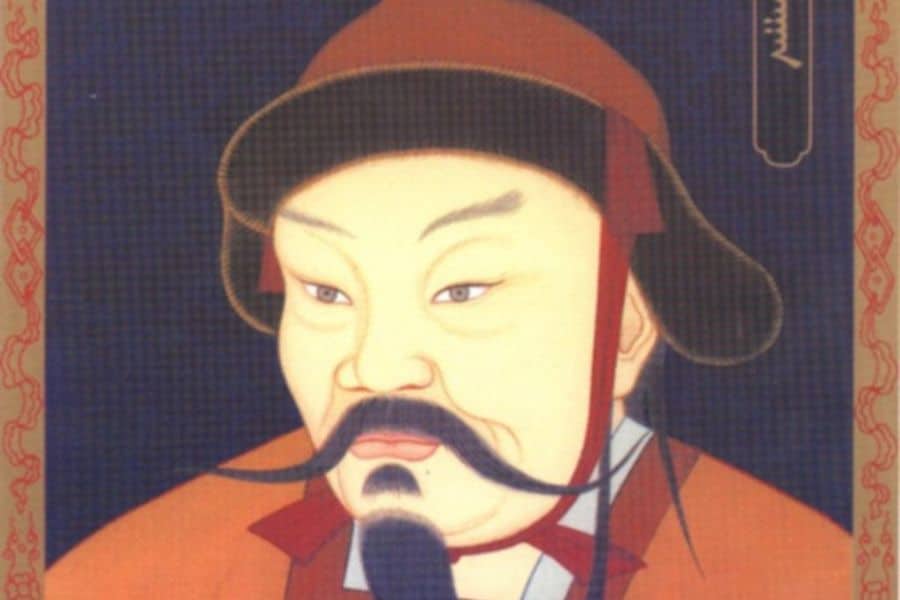
One of the most important things Ögedei did was establish the empire’s first official capital at Karakorum. He created administrative systems to handle taxes, communication, and law across thousands of miles. He also pushed Mongol armies into Eastern Europe and completed the conquest of northern China.
But what really set him apart was his openness to diplomacy. He sent envoys to Europe and maintained contact with both Muslim and Christian leaders. His reign marked the beginning of Mongol global diplomacy, something rarely associated with the fearsome image of the steppe warriors. If Ögedei had lived longer, the balance of power in Europe and Asia might have shifted even further.
The Trailblazer: Queen Isabella of Jerusalem
Isabella of Jerusalem wore the crown during one of the most complicated chapters in Crusader history. She ruled the Kingdom of Jerusalem at the end of the 12th century, when it was less a kingdom and more a collection of tired soldiers, anxious nobles, and broken treaties.
Most of her reign is overshadowed by the bigger personalities of the Crusades. She ruled from 1190 to 1205 and did something very few women of her time managed: she took power in her own name and held onto it through four politically explosive marriages.
Each union was meant to shore up the kingdom’s power, but her marriage to Henry II of Champagne really shifted things. Together, they helped stabilize Jerusalem after Saladin’s conquests. Isabella also played a role in negotiating with European monarchs for support, even though it often came too little, too late.
Hooked on the Middle Ages? Get more stories like this one in your inbox.
Alfonso the Battler: Spain’s Unseen Strategist
Alfonso I of Aragon earned the nickname “the Battler” for a reason. He spent most of his reign in the early 12th century marching across what is now northern Spain, pushing back against Muslim forces as part of the wider Reconquista. And yet, he rarely makes it into the grand tales of medieval Europe.
Part of that’s because his victories didn’t result in a long-lasting empire, and partly because he had a complicated habit of ignoring noble expectations, especially regarding succession. Alfonso ruled from 1104 to 1134 and scored some major wins, including taking Zaragoza, which became the new capital of Aragon. That alone helped shift the power balance in Iberia.
He also created one of the most unusual wills in medieval history, trying to leave his entire kingdom to the Knights Templar and other military orders. Unsurprisingly, the local nobility was not on board. While that plan failed, it showed how seriously he believed in the Crusading mission. He also unified Aragon and Navarre during his lifetime, laying the groundwork for Spain’s future as a united kingdom, even if others reaped the rewards.
Geoffrey Plantagenet: The Shadow King of England
Geoffrey Plantagenet’s blood runs through almost every English monarch from the 12th century onward. He never ruled England, but as the father of Henry II and founder of the Plantagenet dynasty, his impact is impossible to ignore. His story got pushed aside because he lived during a time of brutal civil war in England and spent most of his time focused on Anjou and Normandy rather than London.
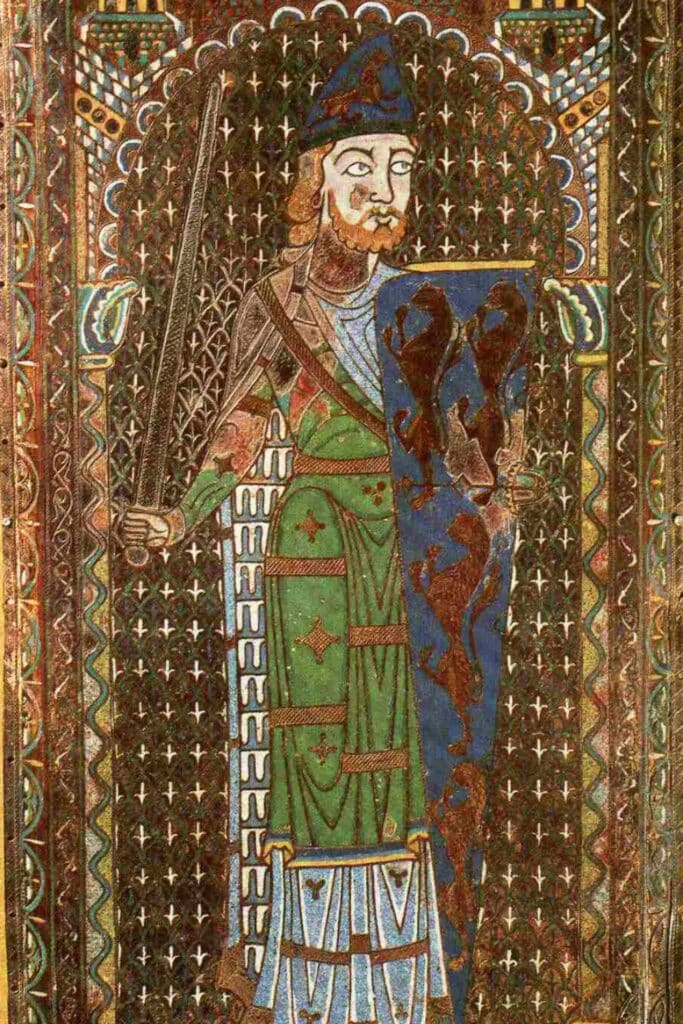
Geoffrey held power from 1129 until he died in 1151 and spent much of that time securing territory in France while his wife, Empress Matilda, battled for the English throne. One of his biggest achievements was taking Normandy from King Stephen, which helped pave the way for his son to become king.
He also designed and wore what’s thought to be the first use of a heraldic emblem on a shield, planting the seed for the Plantagenet lion that later became iconic. He rebuilt royal control over much of western France, giving Henry II the resources to dominate England and parts of Europe for decades.
Bohemond of Taranto: The Unfulfilled Crusader
Bohemond of Taranto should’ve been one of the great names of the Crusades, right up there with Richard the Lionheart. He was tall, charismatic, and fearless on the battlefield. He even led the charge at Antioch during the First Crusade in 1098 and helped turn a desperate siege into a major Christian victory. But somewhere between his ambition and the politics of the day, his legacy slipped through the cracks.
Bohemond ruled as Prince of Antioch from 1098 until his death in 1111, and he was more interested in carving out his own power base than just fulfilling a holy mission. After securing Antioch, he refused to hand it over to the Byzantines as promised, which soured a lot of potential allies. Still, he was one of the first Crusaders to establish lasting rule in the East.
He later returned to Europe and launched a failed campaign against the Byzantines, resulting in him being humiliated and forced into a peace deal. He managed to secure a Norman stronghold in the Levant, which influenced later Crusader strategies. He might not have fulfilled all his plans, but he changed the Crusader approach from a religious mission to a real estate grab.
Swegn Forkbeard: Denmark’s Brief Conqueror
Swegn Forkbeard doesn’t get much press compared to his more famous son, Cnut the Great, but he actually beat him to the punch by becoming the first Viking king to rule England. His reign was short and chaotic, proving that the Scandinavian kingdoms were serious players in European politics. If his timing had been better, he might’ve reshaped England permanently.
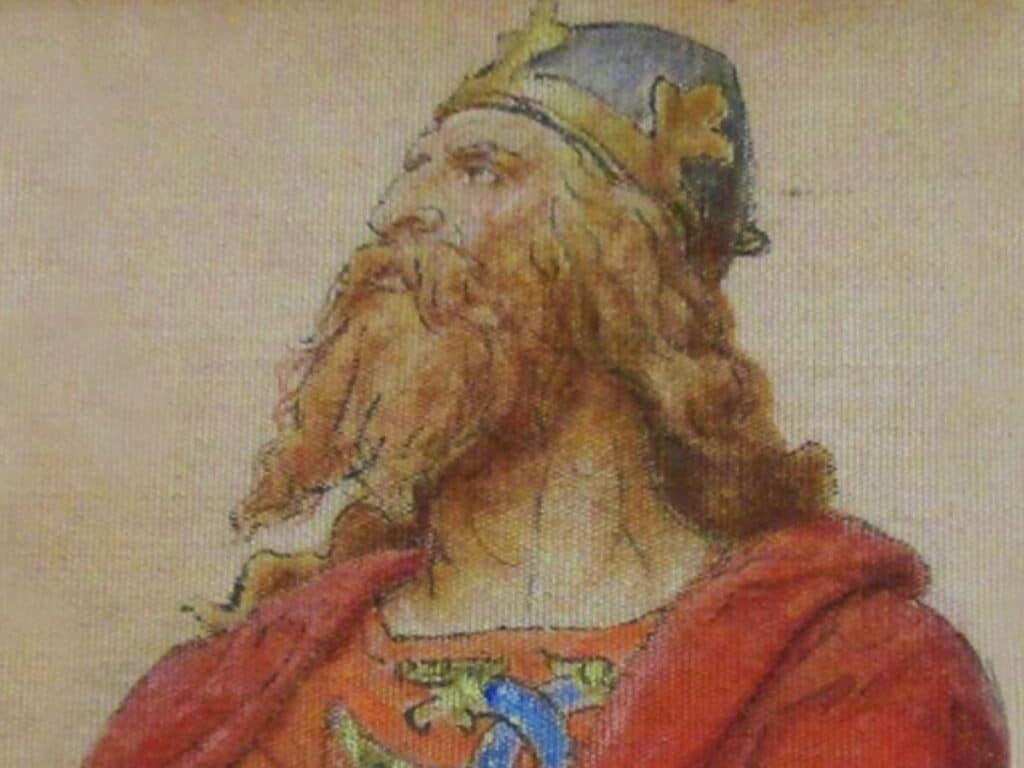
Swegn ruled Denmark from the 980s and became King of England in 1013, though only for a few months before he died unexpectedly in early 1014. During his life, he led multiple invasions of England, finally forcing King Æthelred into exile. He also solidified Danish control over Norway and formed alliances that gave his heirs a real shot at empire.
Most notably, he succeeded where other Viking leaders had failed by getting the English to accept him as king, even if it didn’t last. That moment laid the foundation for his son Cnut’s much longer reign, putting England in direct contact with Scandinavian rule for decades.
Queen Tamara of Georgia: Georgia’s Golden Age
Queen Tamara ruled Georgia during what many call its golden age, yet she’s often left out of discussions about powerful medieval queens. Maybe it’s because she wasn’t European, or Georgia doesn’t usually get a starring role in medieval history. But make no mistake, Tamara was one of the most successful monarchs of her time, ruling solo, holding off enemies, and turning her kingdom into a cultural and military powerhouse.
She reigned from 1184 to 1213 and became the first woman to rule Georgia. One of her first big moves was to crush a rebellion led by nobles who didn’t want to be governed by a woman. She also expanded Georgian influence into Armenia and Azerbaijan, securing major trade routes and boosting the economy.
Under her rule, Georgia became a center of art, literature, and architecture, producing works still celebrated today. And the best part? She led with diplomacy just as much as military strength.
Harald Hardrada: The Legendary King That Could
Harald Hardrada was better known in Viking history than royal circles, but he ruled Norway from 1046 to 1066 and could’ve changed the face of England if just one battle had gone differently. His reputation as a warrior often overshadows his skills as a ruler, but he was more than just a fighter with a crown.
Before becoming king, Harald served in the Byzantine Empire’s elite Varangian Guard, fought across the Mediterranean, and came home rich and experienced. As king of Norway, he centralized power and tightened control over the nobility, setting up a more stable government. Then came 1066.
He invaded England with a seasoned army and won the Battle of Fulford before being killed days later at Stamford Bridge. His defeat cleared the path for William the Conqueror. Had Harald survived, the Norman Conquest might never have happened—and English history would look completely different. He came close, so very close, to changing it all.
Love a good medieval story?
Join our readers and get tales of kings, queens, castles and ordinary medieval lives straight to your inbox.

Kylie Lang is a nationally syndicated travel journalist with bylines on the Associated Press Wire & more, a medieval history writer, and the founder and lead author of Tales of the Middle Ages (talesofthemiddleages.com). She holds a BA (Honours) in History from the University of Kent and is a member of the British Guild of Travel Writers.
Related posts:
 Genghis Khan had 16 Million Descendants and Counting, But Here’s What They Don’t Teach You About Him
 Betrayal, Murder, and a Lost Crown: Was King John Really the Worst Monarch in English History?
 The Battle of Bosworth Reimagined: Two Voices, One Crown And the Betrayal That Changed England Forever
King John: The Rise and Fall of England’s Most Despised Monarch
The Battle of Bosworth Reimagined: Two Voices, One Crown And the Betrayal That Changed England Forever
King John: The Rise and Fall of England’s Most Despised Monarch