
Think your current beauty routine is intense? In medieval times, achieving beauty meant risking your life for that perfect pale complexion, high forehead, and delicate features. Here are the weird and dangerous things they did.

Deadly White Makeup: Lead Poisoning in the Name of Beauty
The quest for the perfect pale complexion drove medieval nobles to some truly desperate measures. But the most popular face powder of the time had a dark secret that would slowly kill its devoted users.
Table of Contents
Why Pale Skin Was a Status Symbol
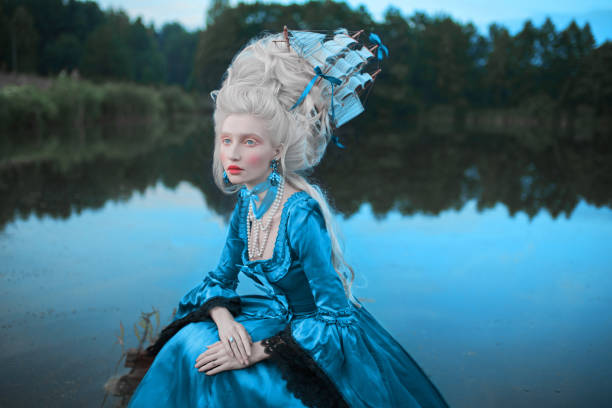
Pale skin wasn’t just fashionable – it was a billboard advertising your social status. While peasants toiled in the fields getting tanned, nobles flaunted their ghostly complexions as proof they could afford to stay indoors. But naturally, pale skin wasn’t enough; they needed to be white as marble, leading to questionable cosmetic choices.
Lead-based Powders and Their Dangerous Effects
Enter ceruse, the go-to foundation from white lead, vinegar, and egg whites. Women would slather this toxic paste on their faces, necks, and décolletage. The immediate result? A fashionable white complexion. What are the long-term effects? Skin damage, tooth loss, paralysis, and often a painful early death.
High Foreheads: Plucking Hair to Look More Elegant
If you think today’s eyebrow threading is painful, wait until you hear about medieval forehead fashion. The trendy look of a massively high forehead led women to take such extreme measures that many never grew hair again.
The Trend of the “Perfect” Forehead

A high forehead was the medieval equivalent of today’s perfect eyebrows. Queen Elizabeth I made this trend explosively popular, leading European noblewomen to pluck their hairlines back several inches. Some even went as far as the crown of their heads – imagine walking around looking like a medieval cone head, considered the height of sophistication.
Painful and Permanent Hair Removal Methods
Getting that perfect forehead wasn’t a one-time deal. Women would rub their scalps with harsh walnut oil and vinegar to prevent hair regrowth. Many suffered severe infections and permanent scarring. Some lost their ability to grow hair entirely – though by medieval beauty standards, that might have been considered a win.
Poisonous Eye Drops for a Dazzling Gaze

In medieval times, getting that perfect dreamy-eyed look meant turning to some seriously dangerous solutions. The most popular eye drops came from a deadly plant that even touching it could kill you – but that didn’t stop women from dripping it directly into their eyes.
Belladonna: the Toxic Ingredient for Bigger Eyes
Big, bright eyes were all the rage, and nothing dilated pupils like deadly nightshade (belladonna). Women would extract the poison and drop it directly into their eyes. The result? Dramatically dilated pupils that were considered irresistibly seductive. The catch? It’s called “deadly” nightshade for a reason.
The Price of Beauty: Blindness and Other Side Effects
Using belladonna eye drops came with a hefty price tag: excruciating headaches, blurred vision, and sometimes permanent blindness. But hey, at least they looked enchanting during those last few moments of sight! Many women continued using these drops despite knowing the risks, proving beauty standards were just as powerful then as they are now.
Rotten Teeth Were Trendy – But Only for the Rich
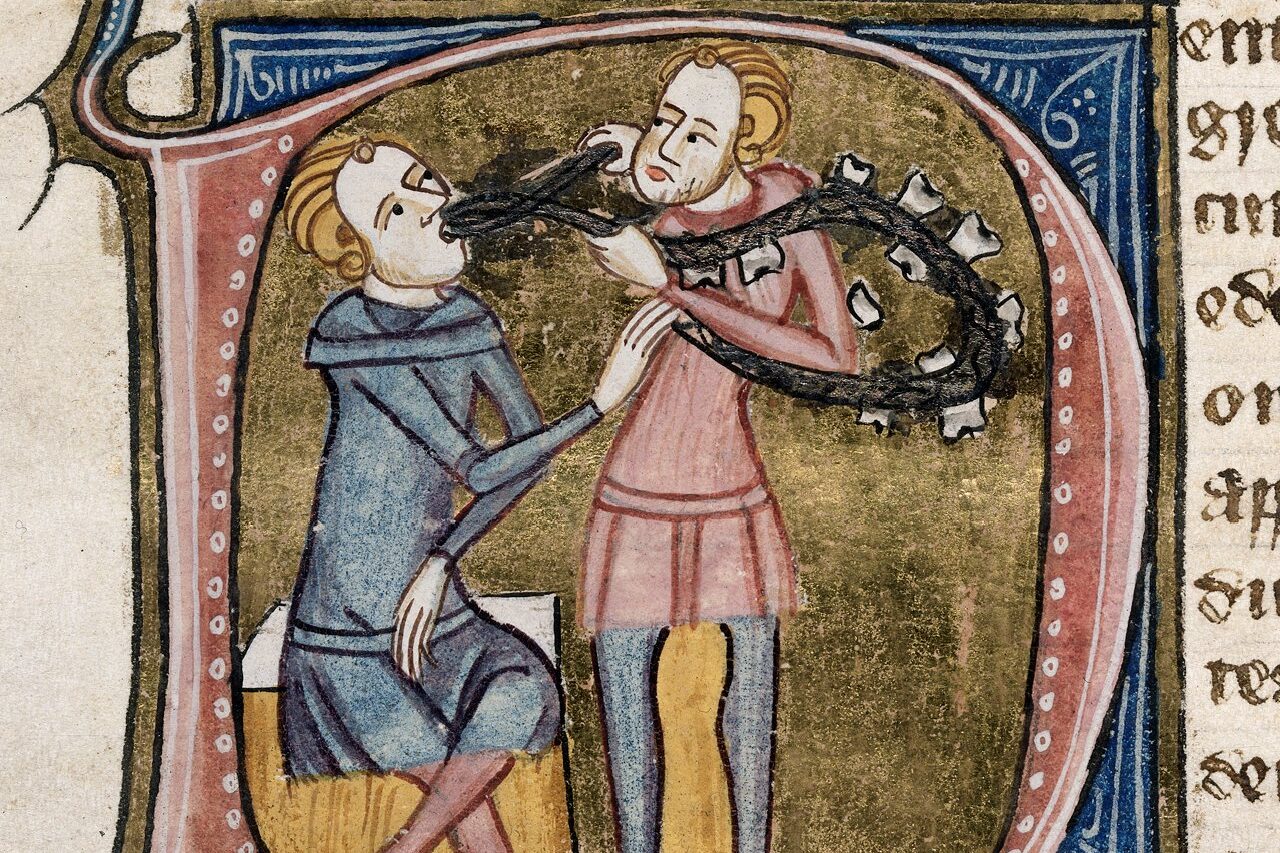
In perhaps the strangest twist of medieval beauty standards, having terrible teeth was a sign of wealth. Nothing said “I’m filthy rich” quite like a mouth full of rotting teeth – and if you couldn’t afford to rot them naturally, there were always artificial methods.
Blackened Teeth as a Sign of Wealth
Blackened and rotting teeth were fashionable among the wealthy in perhaps the most bizarre beauty trend. Sugar was so expensive that having decay-riddled teeth proved you could afford sweet treats. Queen Elizabeth I’s infamous black teeth started a trend that would make modern dentists faint.
DIY Tooth Staining Techniques
Not rich enough to rot your teeth naturally? No problem! People deliberately stain their teeth with soot or rub them with acidic solutions to achieve that wealthy, decayed look. Some even filed their teeth down and painted them black.
Medieval Perfumes: Masking Odor with Animal Glands

When bathing was considered dangerous, the nobility turned to creative solutions for smelling fresh. The ingredients list of a medieval perfume would make modern perfumers run screaming—and probably gag a bit, too.
The Lack of Bathing and the Rise of Strong Scents
Bathing was considered dangerous (they thought it would let evil spirits in through your pores), so perfume became essential. The nobility would go months without bathing, while peasants bathed more frequently. The solution to body odor? Cover it up with something even stronger!
Strange Ingredients in Medieval Fragrances
Their perfumes contained everything from deer musk and civet cat secretions to whale vomit (ambergris). They’d mix these pungent animal products with herbs and flowers, creating more “overwhelming” scents than “elegant.” The stronger the smell, the higher your status – perhaps because no one could stand to get close enough to challenge it.
Toxic Hair Dyes: Achieving the Desired Color at a Cost

The hair dye recipes read more like a poison maker’s handbook than beauty tips. While some natural options existed, the most popular quick-fix solutions could melt your hair off – if they didn’t kill you first.
Herbal vs. Chemical Hair Dyes
While some used relatively safe options like henna or saffron for reddish tones, others opted for more dramatic solutions. Quick-fix recipes often included sulfur, lead, and lye—apparently, potential death was preferable to gray hair.
Hair Damage, Burns, and Health risks
These chemical cocktails could turn your hair the desired shade – right before it fell out in clumps. Scalp burns were common, and many suffered systemic poisoning. But in a world where fashion trumped safety, these were considered acceptable risks for achieving the perfect hair color.
Medieval Skincare: The Unusual Ingredients for a ‘Flawless’ Face

The medieval beauty industry had a peculiar definition of “natural” skincare ingredients. From bird droppings to mercury cream, these face treatments would make modern dermatologists faint – but that’s just the beginning of this horrifying skincare routine.
Unconventional Face Masks and Creams
Medieval skincare reads like a witch’s potion ingredients list. Popular face masks included pigeon droppings, snail slime, and wine lees. Some recipes called for mercury to remove blemishes—which technically worked since dead skin cells could not have pimples.
The Risky Side of Medieval Skincare
These harsh treatments often led to chemical burns, scarring, and permanent skin damage. The resulting inflammation was seen as a healthy “glow” – at least until the scarring set in. Many women suffered lifelong complications from these dangerous beauty treatments.
Beauty Wasn’t Always Glamorous
The beauty practices of medieval times reveal our ancestors’ willingness to embrace extreme risks in pursuing the perfect appearance, from applying lead-based cosmetics to using poisonous eye drops. While these dangerous techniques may make us shudder today, they laid the foundation for our modern understanding of beauty and cosmetics.


Kylie Lang is a nationally syndicated travel journalist with bylines on the Associated Press Wire & more, a medieval history writer, and the founder and lead author of Tales of the Middle Ages (talesofthemiddleages.com). She holds a BA (Honours) in History from the University of Kent and is a member of the British Guild of Travel Writers.


